

Vial Filling and Capping Machine
What is Vial Filling And Capping Machine
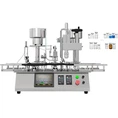
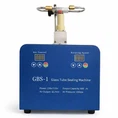
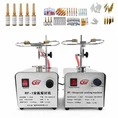
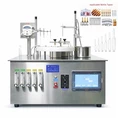
Vial filling and capping machine or vial filler and capper is monoblock filling stoppering and capping machine for pharmaceutical glass vials. Machine having specially designed SS 316L filling pump for accurate filling.
Benefits of Vial Filling And Capping Machine
Dose and volume consistency
The FDA requires that all such products be clearly labeled and designated before they are released for sale or for general consumption and that dosages and volumes are clearly advertised on the packaging. This means pharma production companies must be very careful to ensure volumetric consistency when they are bottling and packaging their products.This kind of consistency is difficult to achieve using only manual processes. A pharmaceutical vial filling and capping machine, on the other hand, can be configured and assessed ahead of time, ensuring that only the properly mandated volume is added to each and every vial. Producers can be penalized heavily if they do not adhere to the FDA’s requirements, so this machine provides significant peace of mind for pharma manufacturers and distributors.
Reduced production costs
Manual procedures can be expensive for pharma producers. Not only do organizations need to divert working hours and resources to manual production tasks, but they also need to implement fixes and remedial action if mistakes and errors occur. vial filling and capping machine eliminate both of these additional costs, reducing the overall expense of running a production job.Automated machines also free up valuable personnel and teams. These teams can then be deployed in other areas of the business — areas more suited to manual operation, such as research and development tasks as well as process monitoring and assessment.
Easier quality control processes
Vial filling machines achieve uniform consistency across all filling tasks. This means, whenever the machine is configured and set up ahead of a new production batch, your team can be assured that the results will be repeated again and again across all the vials that need to be filled.This makes quality control much easier. The machine ensures that a reliable base level is achieved and that there are no inconsistencies even across high-volume jobs. Quality control teams simply need to check that the packaging and labeling are present and undamaged, then they can sign off on the latest batch. With fewer variables and less potential for mistakes, the entire quality control process becomes much more effective.
Rapid scalability
Order volumes may fluctuate over time. If a pharma producer is relying on manual processes, they may struggle to achieve the kind of flexibility and agility required to keep up with demand. In turn, they may fall behind in the market.With automated processes and equipment, businesses will find it easier to step up production when required. This leads to a far more efficient and effective pharma production line, even at scale, ensuring that healthcare providers and pharmacists remain well-stocked all year round.
Shrinkage and loss protection
A pharma manufacturer and distributor exists in a unique ecosystem, providing critical products to the healthcare industry. However, they are still governed by the same market forces as any other type of business, which means they need to remain aware of their bottom line and keep costs low across the whole process.Manual vial filling processes make it difficult to keep costs low. Materials are spilled or contaminated, and products become lost or damaged. This contributes to shrinkage, increasing the cost of each batch while eating into profits. Ingredients also need to be re-ordered from the supplier or re-produced in the plant itself, resulting in an inefficient supply chain. Automatic vial filling machines avoid this issue, reducing lost or damaged materials and maximizing the profits achieved across each and every batch.


Why Choose us
Quality
Customers want to ensure that they receive excellent quality products or services that meet their expectations and needs.
Reputation
The reputation of a company or brand is essential when it comes to making a decision. Customers tend to choose a company that is well-regarded in the industry.
Customer Service
A company with a good reputation for customer service can be a deciding factor for consumers, making them feel valued and satisfied with their experience.
Experience
An established and experienced company has a greater understanding of their products or services, allowing them to provide better quality and support to their customers.
Convenience
Consumers appreciate convenience, they want products or services that make their life easier, faster, and more efficient.
Safety and Security
Customers want to feel secure when using a product or service, it is critical to provide safety and security policies and measures.
Types of Vial Filling And Capping Machine

01.Vial filling and capping machine
02.Vial liquid filling machine
03.Vial powder filling machine
04. Injectable liquid filling machine
05.Vial filling and bunging machine
Application of Vial Filling And Capping Machine
Injectable Products
Vial filling and capping machines are used to fill and cap vials with injectable products such as vaccines, insulin, and other biologics.
Oral Medications
These machines are used to fill and cap vials with oral medications such as tablets and capsules.
Antibiotics
Vial filling and capping machines are used in the manufacturing of antibiotics. They can accurately fill and cap vials with antibiotics in a sterile environment.
Biotech Products
Vial filling and capping machines are used to fill and cap vials with biotech products such as cell cultures, monoclonal antibodies, and proteins.
Chemicals
Vial filling and capping machines can be used for filling and capping vials with chemicals such as reagents and solvents.
Diagnostic Products
These machines are used to fill and cap vials with diagnostic products such as reagents for diagnostic tests.
Things to Pay Attention to When Purchasing a Vial Filling and Capping Machine
Vial Size
Make sure the vial filling and capping machine can handle the vial sizes you need to fill and cap. Some machines have limitations on size, so verify that it can work with the vials you have without issue.
Output
Determine the required output capacity of the vial filling and capping machine and choose one that can meet or exceed it. You don't want to purchase a machine that can't keep up with your production demands.
Filling Accuracy
Look for a machine that fills vials with a high level of accuracy. Consider microliter filling if you need high precision or if you are filling expensive or complex formulations.
Versatility
Consider the versatility of the machine if you need to fill and cap different types of vials or products.
Capping Mechanism
Check if the machine capping mechanism is compatible with the type of cap you need to use and if it can handle your required capping speed.
Maintenance
Determine the maintenance requirements of the machine, which can vary depending on the complexity and design of the machine.
Quality and Reliability
Ensure that the machine is durable and reliable. Look for a machine with fewer moving parts, which can reduce the likelihood of breakdowns or malfunctions.
Cost
Consider the cost of the machine and other expenses associated with it, such as maintenance, parts, and training.
Training and Support
Check if the manufacturer offers training and support for the operation and maintenance of the machine.
Compliance
Ensure that the machine meets all relevant quality and regulatory standards, such as ISO, GMP, and FDA regulations.
Preventive Maintenance Of Vial Filling And Capping Machine


1. Inspection and cleaning
Begin your maintenance routine with a thorough inspection and cleaning of the vial filling and capping machine. Remove any debris, dust, or residue that may accumulate on moving parts or sensors.
2. Lubrication
Lubrication is essential to reduce friction and wear on machine components. Refer to the manufacturer’ s recommendations for the appropriate lubricants and intervals for application.
3. Calibration
Ensure that the machines are correctly calibrated to dispense the right amount of product and apply the correct level of torque during capping. Regular calibration checks maintain accuracy and consistency.
4. Component replacement
Over time, certain components may wear out, such as seals, gaskets, and conveyor belts. Regularly replace these components to prevent leaks, contamination, or production interruptions.
5. Electrical system check
Inspect the electrical components, including wires, switches, and sensors, for signs of wear or damage. Faulty electrical components can lead to machine malfunctions and safety hazards.
6. Software updates
If your machines are equipped with software, ensure that you have the latest updates and patches installed. Software updates often include bug fixes and performance improvements.
7. Training and operator awareness
Invest in proper training for machine operators. Operators should be aware of warning signs and understand the importance of reporting any issues promptly.
8. Documentation
Maintain detailed records of all maintenance activities, including dates, tasks performed, and any replacement parts. This documentation can be valuable for tracking machine performance and planning future maintenance. This is another benefit to a planned preventative maintenance programme – an annual check keeps these records consistent with similar intervals between services.
9. Scheduled downtime
Plan regular, scheduled downtime for maintenance to prevent excessive wear and tear during continuous operation. This approach allows you to address issues before they escalate.
10. Professional service
While many basic maintenance tasks can be performed in-house, it’ s advisable to schedule periodic professional service to conduct in-depth inspections and address any complex issues. This is something that we offer as part of our partnership programme – a proactive approach to maintenance to give you five years peace of mind with parts and labour cover and priority access to our engineering team.
Technical Specification Of Vial Filling and Capping Machine
|
Model No. |
LI-PVF 4 |
|
Vial Diameter |
25mm to 38mm |
|
Vial Height |
75mm Maximum |
|
Rubber Stopper Diameter |
20mm |
|
Filling Range |
50mg. To 1.5 gms. In Single Dose, 1.5 gms. To 6 gms. In Double, Triple and Four Dose system |
|
Accuracy |
+/- 1% Depending upon the Powder, under the controlled level of Humidity |
|
Humidity |
Below 30% Rh required on machine to be arrange by customer |
|
Electrical |
415VAC 3Phase and 220 VAC Single Phase Power Supply (50 Hz) with A.C. Drive |
|
Power |
2.0 H.P. |
|
Compressed Air |
Filtered, Oil Free 4kg/cm2 provided by customer only |
|
Vacuum |
28” Hg. @ 300 LPM, provided by Customers only, 500LPM recommended |
|
Conveyor Height |
815-940 mm |
|
Overall Dimensions |
2800 mm (L) x 840 mm (W) x 1675 mm |
|
Production Output |
Max. 120 Vials per minute in Single Dose, Max. 60 Vials per minute in Double Dose, Max. 40 Vials per minute in Tripple Dose and Max. 30 Vials per minute in Four Dose system |
1. Smaller but smarter architectural footprints
Smaller and smarter vial filling and capping machine come with advanced features that replace less-efficient manual and semi-automatic capping machines. The previous generation of automatic capping machines was also bulky and expensive.
Automatic capping machines are lighter, cost-effective and more versatile. They can be adjusted easily to suit various bottle types and to cap at faster or slower speeds. The smaller architectural footprints also mean lower energy consumption and smaller real-estate needs.
Additionally, the control architecture is slowly shifting from programmable logic controllers (PLCs) to PC-controlled systems. This shift allows for faster communication and controls, plus it supports more customization, thanks to the many programming languages the PC controller can support.
2. Distributed motion control
In every production line, motion control is necessary to manage how products move from one point to the other. For the Gen 3 capping machines and newer models, motion can easily be distributed to individual devices. This wasn't the case a decade ago, where motion control was linear.
Some capping systems allow for synchronization with other machines. They communicate with them and can work in unison at a predetermined speed. Coupled with the automation, distributed motion control has made capping and packaging a seamless process.
3. Variable-speed operation
Not so long ago, the speed of production in the industrial sector was limited to a few predetermined levels. This has changed. With a simple push of a button, it's possible to change the speed at which a vial filling and capping machine or secures a cap onto a container. This versatility and convenience have been made possible, thanks to variable-speed drives (VSDs).
Speed drives are devices used to control the torque, or force, and speed of an ac motor. By adjusting the motor's voltage and input frequency, it's possible to change how fast the capping work is done. These speed drives can be used in mechanical, electric, electronic or even hydraulic applications. Advancements in technology have further made this technology more convenient—for instance, boosting power factor and improving energy efficiency.
4. Clean-in-place technology
Capping machines designed to handle different bottle sizes and types should come fitted with clean-in-place (CIP) technology, which helps to sanitize the capping machine and avoid contamination. It's common in the food-processing and pharmaceutical-manufacturing industries.
CIP technology is fully automated to minimize human contact, which is considered the primary source of contamination. A bottle capper fitted with this technology will have the filling pipes, vessels and filters cleaned without disassembly. Besides preserving the integrity of the packaged products, CIP technology also saves time and increases productivity. When choosing a vial filling and capping machine, always select one with CIP technology, which makes it cost-effective in the long run.
5. Packaging line automation
An automatic vial filling and capping machine is not really efficient unless it integrates with other packaging machines in the production line. A fully automated packaging line allows for maximum production efficiency. Automation and control systems have made this level of innovation possible. Companies invest in one machine that fills, caps, and labels the bottles ready for packaging.
We have rich experience in equipment automation. In addition to the design and manufacture of conventional equipment, we can also customize product design solution according to user needs.
● The company has its own lathes and milling machines, and two senior fitters, who can make samples and processing parts at any time.
● While product quality is guaranteed, it can respond quickly to user needs.
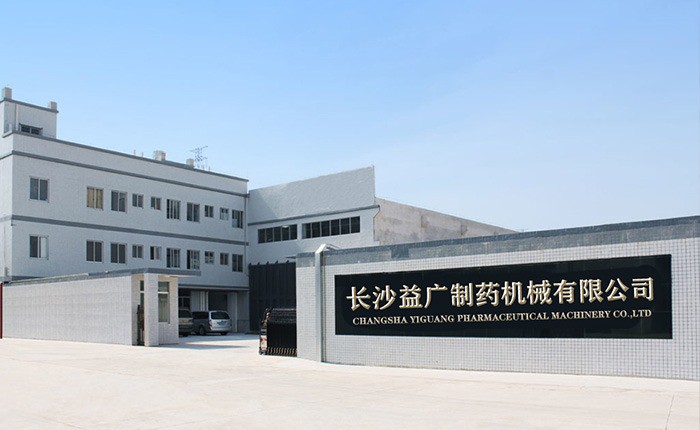
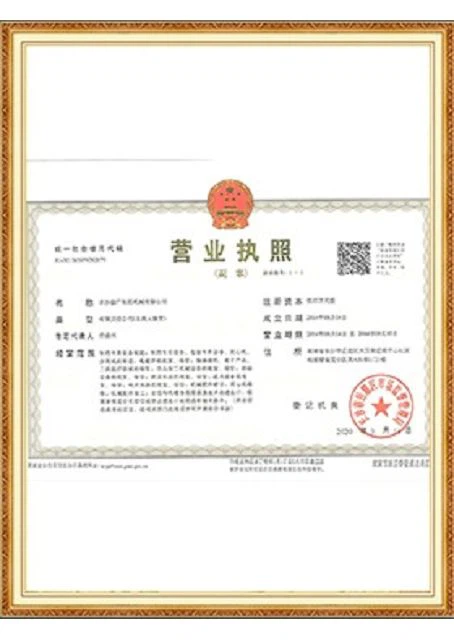
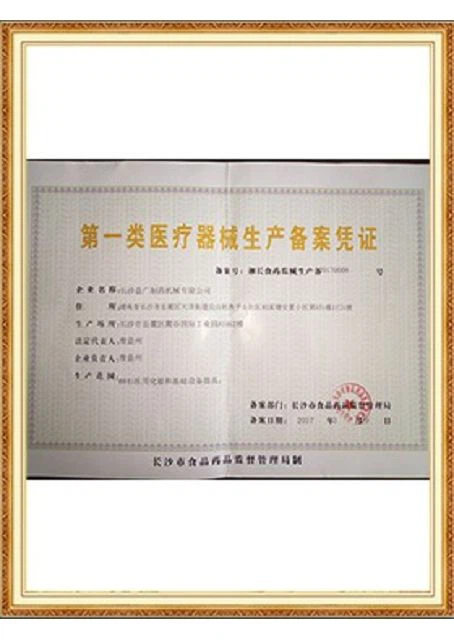
My Certificate

Asked Questions
Q: What is the principle of vial filling and sealing machine?
Q: What is the capacity of vial filling machine?
Q: What is the function of bottle capping machine?
Q: What is filling and capping machine?
Q: What is the objective of sealing machine?
Q: How does the filling machine work?
Q: How do you clean a vial filling machine?
Q: What is the most common vial size?
Q: How do I choose a filling machine?
Q: What are the applications of capping machine?
Q: What is meant by capping machine?
Q: What is vacuum capping?
Q: What is crown capping machine?
Q: What is cosmetic filling machine?
Q: What is the use of tube sealing machine?
Q: What is sealing operations?
Q: What is the importance of filling machine?
Q: How many types of filling machines are there?
Q: What is the vial filling process?
Q: How do you remove liquid from a vial?
As one of the most professional vial filling and capping machine manufacturers and suppliers in China, we're featured by quality products and good price. Please rest assured to buy automatic vial filling and capping machine for sale here from our factory.
vial stoppering machine, automatic vial filling and stoppering machine, vial capping machine