

What method is used to seal ampules?
**Introduction
Ampules are narrow-necked glass vessels used for storing and transporting small quantities of substances such as medicinal solutions, vaccines, and laboratory reagents. Due to their small size and narrow necks, ampules are particularly useful for holding substances that require a high level of sterility or stability. However, the glass bulb of an ampule is fragile and can easily break if mishandled. The sealing of an ampule is an important step in ensuring the quality and safety of its contents. In this article, we will examine the methods used to seal ampules.
**History
The first glass ampules were developed in the mid-19th century. At that time, the only method of sealing ampules was to apply a blowpipe flame to the neck of the vessel until the glass melted and sealed itself. This method was slow and time-consuming, and it required skilled labor. In the late 1800s, the process of sealing ampules with mercury was developed. This method involved filling the ampule with mercury vapor and then sealing it while the mercury was still hot.
**Methods
Today, there are several methods of sealing ampules. The most common are:
1. Flame sealing
2. Fusion sealing
3. Chemical sealing
**Flame sealing
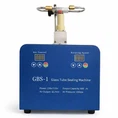
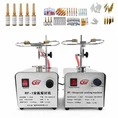
Flame sealing is the most traditional method of sealing ampules, and it is still widely used today. The process involves heating the neck of the ampule with a gas flame until the glass melts and seals itself. Flame sealing is quick and requires little specialized equipment, but it is not suitable for substances that are sensitive to heat.
To flame seal an ampule, the following steps are taken:
1. The substance to be sealed is carefully filled into an ampule.
2. The neck of the ampule is heated with a gas flame until it begins to soften.
3. The neck is held in the flame until it melts and seals itself.
4. The ampule is left to cool.
**Fusion sealing
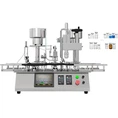
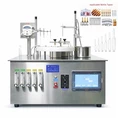
Fusion sealing, or high-frequency induction sealing, is a newer method of sealing ampules that uses an electromagnetic field to heat the neck of the ampule and seal it. This method is faster than flame sealing and requires less heat, which makes it suitable for a wider range of substances.
To fusion seal an ampule, the following steps are taken:
1. The substance to be sealed is carefully filled into an ampule.
2. The neck of the ampule is positioned in an induction sealing machine.
3. The machine applies a high-frequency electromagnetic field to the neck of the ampule, heating it until it melts and seals itself.
4. The ampule is left to cool.
**Chemical sealing
Chemical sealing, also known as epoxy sealing, is a method of sealing ampules that uses an epoxy resin to create a hermetic seal. This method is useful for substances that are sensitive to heat or for ampules that require a higher degree of sterility.
To chemically seal an ampule, the following steps are taken:
1. The substance to be sealed is carefully filled into an ampule.
2. The neck of the ampule is dipped into a container of epoxy resin.
3. The excess epoxy is wiped away, leaving a thin layer on the neck of the ampule.
4. The ampule is left to cure for several hours.
**Conclusion
In conclusion, the method used to seal ampules depends on the nature of the substance being stored and transported. Flame sealing is the most traditional method and is suitable for substances that are not sensitive to heat. Fusion sealing is faster and requires less heat, making it suitable for a wider range of substances. Chemical sealing is useful for substances that are sensitive to heat or for ampules that require a higher degree of sterility. Whatever method is used, the sealing of an ampule is an important step in ensuring the quality and safety of its contents.