

What equipment is used in pharmacy?
Pharmacies are essential establishments that dispense medication and provide healthcare services. They play a vital role in our society by ensuring the availability and accessibility of drugs. To carry out their functions effectively, pharmacies rely on a wide range of equipment. This article will explore the important equipment used in pharmacies and their significance in facilitating pharmacy operations.
Pharmacy Management Systems: Streamlining Operations
One of the key pieces of equipment used in pharmacies today is a pharmacy management system. These computer-based systems are designed to handle various aspects of pharmacy operations, including prescription processing, inventory management, patient profiles, and billing. Pharmacy management systems streamline processes, reduce errors, and improve efficiency in drug dispensing.
These systems allow pharmacists to input prescriptions, maintain accurate patient records, and manage their inventory effectively. With the help of these systems, pharmacists can easily track medication usage and expiration dates, as well as automate the reordering process. Ultimately, a pharmacy management system plays a crucial role in ensuring the smooth functioning of a pharmacy.
Dispensing and Compounding Equipment: Accuracy is Key
Dispensing medications accurately is of utmost importance in a pharmacy setting. Pharmacists rely on various equipment to measure and package medications correctly. One such piece of equipment is the electronic balance. These balances are highly accurate and allow pharmacists to precisely weigh different medications or their components during the compounding process.
Alongside electronic balances, pharmacies also utilize pill counters. These machines automate the pill counting process, significantly reducing both time and human error. Pill counters ensure that the correct quantity of medication is dispensed in each prescription accurately, improving patient safety.
In the compounding process, where medications are tailored to specific patient needs, pharmacies employ equipment like mortar and pestle, ointment mills, and electronic mixers. These tools enable precise mixing and preparation of compounded medications, ensuring proper dosages and consistency.
Pharmacy Automation Systems: Efficiency and Safety
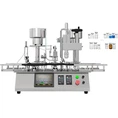
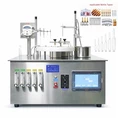
Pharmacy automation systems have revolutionized the way medications are dispensed in modern pharmacies. These systems automate tasks such as medication storage, retrieval, and packaging. Robotic dispensing machines, for example, can accurately count and package various medications simultaneously.
Barcoding systems and automated medication dispensers further improve the efficiency and safety of medication administration. Barcoding systems ensure correct medication labeling and identification, while automated dispensers reduce the risk of medication errors by providing pharmacists with the right drug and dosage information.
Pharmacy automation systems not only increase efficiency but also free up pharmacists'' time, allowing them to focus on more critical tasks, such as patient counseling and medication therapy management.
Lab Equipment: Ensuring Quality Assurance
Pharmacies rely on laboratory equipment to ensure the quality and safety of medications. High-performance liquid chromatography (HPLC) systems are commonly used to analyze drug formulations, identify impurities, and ensure potency and purity. HPLC systems provide accurate and reliable results, enabling pharmacies to maintain high-quality standards.
Another essential piece of lab equipment used in pharmacies is the spectrophotometer. Spectrophotometers are used to measure the absorbance and transmission of light, aiding in drug analysis and quality testing. These instruments assist pharmacists in verifying the authenticity and potency of medications.
Safety Equipment: Protecting Pharmacists and Patients
Safety is a paramount concern in any pharmacy. Pharmacists and pharmacy staff must protect themselves and their patients from potential hazards. Personal protective equipment, such as gloves, masks, and lab coats, are standard safety equipment used in pharmacies to prevent the spread of infections and minimize direct contact with hazardous substances.
Moreover, pharmacies are equipped with laminar flow hoods or biological safety cabinets. These cabinets provide a sterile and controlled environment for preparing sterile medications or handling hazardous drugs. They protect pharmacists from exposure to harmful aerosols and particulate matter, ensuring their safety and the integrity of medications.
Storage and Refrigeration: Preserving Medications
Appropriate storage and refrigeration of medications are vital to maintain their potency and effectiveness. Pharmacies utilize medication cabinets, shelving, and refrigerators specifically designed for pharmaceutical products. These storage units provide controlled temperature and humidity conditions, ensuring the stability of medications.
Pharmacies also employ temperature monitoring systems to continuously monitor storage conditions. These systems use sensors to track temperature variations and provide real-time alerts in case of deviations from acceptable ranges. Such monitoring systems help prevent medication degradation and ensure patient safety.
Conclusion
The efficient and safe functioning of a pharmacy heavily relies on the equipment utilized. From pharmacy management systems to dispensing and compounding equipment, automation systems, lab equipment, safety gear, storage units, and temperature monitoring systems – each piece plays a significant role in supporting pharmacy operations.
By employing advanced equipment and technologies, pharmacies can enhance accuracy, efficiency, and patient safety. As the field of pharmacy continues to evolve, it is crucial for pharmacies to stay updated with the latest equipment and adapt to emerging advancements to maintain the highest standards of pharmaceutical care.