

What is the purpose of the ampoule?
The ampoule, also known as a vial or ampule, is a small-sealed container made of glass or plastic that is used to store and preserve various substances, particularly pharmaceuticals and chemicals. Its purpose is to maintain the stability and purity of the contents inside, protecting them from contamination and degradation. In this article, we will explore the various uses and significance of ampoules in different fields, their design and manufacturing process, and the advantages and disadvantages associated with their use.
History of Ampoules
The use of ampoules dates back to ancient times, where they were primarily made from clay or other brittle materials. These early versions were sealed with wax or other natural substances to prevent the contents from spilling or becoming contaminated. As glassmaking techniques improved, ampoules made of glass became more common due to their transparency and ability to withstand heat.
The development of the modern ampoule is credited to Francois Marie Raquin, a French pharmacist who invented the technique of sealing glass ampoules with fire. This method involved heating the neck of the ampoule until it softened, then melting it to create an airtight seal. This breakthrough in ampoule sealing technology revolutionized the pharmaceutical industry and increased the shelf life of various medicinal substances.
Design and Manufacturing Process
Ampoules are typically designed in a tubular shape, with a narrow neck and a wider body. The narrow neck allows for easy breaking or snapping, ensuring the safe extraction of the contents inside. The body of the ampoule is usually shaped to accommodate a specific volume, ranging from a few milliliters to several liters, depending on the intended use.
The manufacturing process of ampoules involves several steps to ensure the highest quality and integrity of the final product. Here is a brief overview of the typical manufacturing process:
1. Glass Formation: The first step involves melting raw materials such as silica sand, soda ash, and limestone at high temperatures to form molten glass. This glass is then shaped into tubular form using various techniques like blowing or drawing.
2. Ampoule Formation: The glass tubes are cut into individual lengths and heated to soften the glass. The softened tube is then sealed at one end using flames or other heat sources to create the bottom of the ampoule.
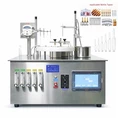
3. Filling: Once the bottom is sealed, the ampoule is filled with the desired substance, whether it is a liquid, powder, or gas. A vacuum or inert gas may be used to remove any air or moisture present inside the ampoule.
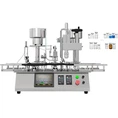
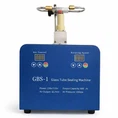
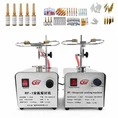
4. Neck Formation and Sealing: The open end of the ampoule is heated and stretched to create a neck. This neck is then heated once more to soften the glass and then sealed to form an airtight closure. The sealing process ensures that the contents remain sterile and protected from outside elements.
5. Inspection and Packaging: The sealed ampoules undergo rigorous inspection to detect any defects or irregularities. Once approved, they are cleaned, labeled, and prepared for packaging, which typically involves placing them in protective boxes or trays to prevent breakage during transportation.
Uses of Ampoules
Ampoules have a wide range of applications across various industries due to their excellent barrier properties and ability to maintain the stability of volatile substances. Some of the most common uses of ampoules include:
1. Pharmaceutical Industry: Ampoules are extensively used in the pharmaceutical industry to store and deliver medications, vaccines, and other injectable substances. Due to their hermetic seal, ampoules help maintain the potency and sterility of the contents, ensuring their efficacy and safety.
2. Cosmetic Industry: Many beauty and skincare products, such as serums, essences, and anti-aging treatments, are packaged in ampoules. The small volume of ampoules ensures that the product remains fresh and potent until use. Moreover, the airtight seal protects the active ingredients from degradation caused by exposure to air or light.
3. Laboratory and Scientific Research: Ampoules find significant applications in laboratories and scientific research facilities. They are used to store and distribute various chemicals, reagents, and standards used for analytical testing, calibration, and experimentation.
4. Food and Beverage Industry: Ampoules are employed in the food and beverage industry to store highly concentrated flavors, extracts, and additives. Ampoules ensure the accurate dosage of these substances, preventing cross-contamination and preserving their organoleptic properties.
Advantages and Disadvantages of Ampoules
Ampoules offer numerous advantages over other forms of packaging, but they also have a few drawbacks that must be considered. Let''s explore both sides:
Advantages:
1. Sterility: The airtight and hermetic seal of ampoules ensures the sterility of the contents, making them ideal for pharmaceutical and medical applications.
2. Protection: Ampoules provide excellent protection against air, moisture, and light, which can degrade and contaminate sensitive substances.
3. Accuracy: Ampoules are available in various sizes, allowing for accurate dosing and preventing wastage of valuable substances.
4. Extended Shelf Life: Due to their protective properties, ampoules significantly extend the shelf life of the stored contents compared to other packaging materials.
Disadvantages:
1. Non-resealable: Once an ampoule is opened by snapping off the neck, there is no way to reseal it. This can lead to difficulties if the entire content is not utilized in one go.
2. Fragility: Ampoules are made of glass or plastic materials, which can break or crack if mishandled. This poses a risk of injury and contamination if the contents spill.
3. Lack of Flexibility: Ampoules are not suitable for substances that require frequent access or multiple dosages, as they are designed for single-use only.
In conclusion, ampoules play a vital role in preserving and protecting sensitive substances in various industries. Their design and manufacturing process ensures the integrity and sterility of the contents, making them indispensable in pharmaceutical, cosmetic, laboratory, and food industries. Despite a few limitations, ampoules continue to be a popular choice due to their excellent barrier properties and ability to extend the shelf life of valuable substances.