

What is the cost of ampoule machine?**
**Introduction
An ampoule machine is a critical piece of equipment used in the pharmaceutical industry for the production of ampoules, which are small sealed glass containers used for storing and preserving liquids or medications. The machine automates the process of forming, filling, and sealing the ampoules, thereby increasing efficiency and productivity. However, before investing in such a machine, it is crucial to consider various factors, including the cost. In this article, we will delve into the factors affecting the cost of an ampoule machine and discuss the different types available in the market.
Factors affecting the cost of an ampoule machine
Several factors contribute to the overall cost of an ampoule machine. These factors are important to consider in order to make an informed decision about the investment. Let''s explore these factors in detail:
1. Machine capacity: The capacity of an ampoule machine refers to the number of ampoules it can produce per minute or hour. Higher capacity machines can produce a larger volume, but they often come at a higher cost. Understanding the production requirements and estimating the required capacity is essential to determine the cost.
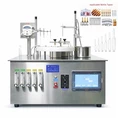
2. Automation level: Ampoule machines come in various levels of automation. From semi-automatic machines requiring manual intervention at various stages to fully automated machines that perform all operations automatically, the automation level affects the cost significantly. Fully automated machines are generally more expensive due to their advanced technology and higher production efficiency.
3. Quality and precision: The quality and precision of the machine also influence its cost. Machines with advanced technology and better precision can produce high-quality ampoules with consistent results. While these machines may have a higher upfront cost, they can help reduce wastage and improve overall efficiency in the long run.
4. Customization options: Some manufacturers offer customization options to meet specific requirements. These options may include additional modules for specific functionalities, different sealing techniques, or the ability to handle different ampoule sizes. Customization often adds to the overall cost of the machine.
5. Brand reputation and support: The reputation of the brand and the availability of after-sales support also impact the cost. Well-established brands with a proven track record of reliability and customer support might price their machines higher than lesser-known brands. However, investing in a reputable brand ensures better reliability and service, which can be worth the extra cost.
Types of ampoule machines
Ampoule machines come in different types, each designed for specific production requirements. Understanding the different types can help in making an informed decision about which machine is most suitable for a particular application. Here are the common types of ampoule machines available in the market:
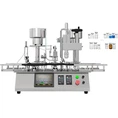
1. Rotary ampoule filling and sealing machine: This type of machine consists of a rotating carousel with multiple stations for filling and sealing ampoules. It offers high production rates and is suitable for large-scale production. However, these machines are generally more expensive due to their complex design and higher automation level.
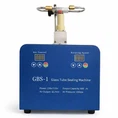
2. Single-head ampoule filling and sealing machine: As the name suggests, this machine has a single filling and sealing head, making it suitable for smaller production volumes. It offers lower production rates compared to rotary machines but comes at a lower cost. This type of machine is often preferred by smaller pharmaceutical companies or those with limited production requirements.
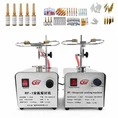
3. Double-head ampoule filling and sealing machine: Similar to the single-head machine, the double-head machine has two filling and sealing heads, allowing for higher production rates. It strikes a balance between the high production capacity of a rotary machine and the lower cost of a single-head machine. This type of machine is suitable for medium-scale production.
Conclusion
Investing in an ampoule machine is a significant decision for pharmaceutical companies. The cost of the machine depends on various factors such as its capacity, automation level, quality, customization options, brand reputation, and support. Considering these factors and the specific production requirements is vital to determine the most suitable machine. Moreover, understanding the different types of ampoule machines available in the market can help in making an informed decision. By carefully evaluating these aspects, companies can select a cost-effective solution that meets their production needs while maintaining quality and efficiency in ampoule manufacturing processes.