


Introduction
A pharmaceutical machine is a highly specialized piece of equipment that is used in the pharmaceutical industry to manufacture drugs, medicines, and other pharmaceutical products. These machines are designed to meet the strict safety and quality standards that are required in the pharmaceutical industry, and are built with materials and components that are resistant to corrosion, contamination and other factors that could compromise the quality and integrity of the products being produced.
In this article, we''ll take a closer look at what makes a pharmaceutical machine so special, the types of machines that are available, and how they are used in the pharmaceutical manufacturing process.
What Makes a Pharmaceutical Machine Different?
One of the key differences between a pharmaceutical machine and other types of manufacturing equipment is the level of precision that is required. The pharmaceutical industry is highly regulated, and manufacturers must meet strict quality and safety standards in order to produce products that are safe and effective for patients. This means that pharmaceutical machines need to be designed and built to very precise specifications, and must be able to operate in a controlled and sterile environment.
Another important difference is the materials that are used in pharmaceutical machines. Because of the potential for contamination, machines must be made using materials that are resistant to corrosion, oxidation, and other factors that could compromise the integrity of drugs and other pharmaceutical products. This means that pharmaceutical machines are typically made from materials like stainless steel, titanium, and other materials that are resistant to corrosion and contamination.
Types of Pharmaceutical Machines
There are many different types of pharmaceutical machines, each designed for a specific purpose in the manufacturing process. Some of the most common types of machines include:
1. Tablet Presses - Used to compress powders or granules into tablets.
2. Coating Machines - Used to apply a coating to tablets or other pharmaceutical products.
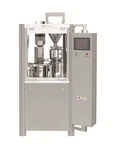
3. Capsule Filling Machines - Used to fill capsules with powder or liquid.
4. Mixing Machines - Used to mix powders or liquids together to create a homogeneous mixture.
5. Granulating Machines - Used to granulate powders or form granules from a powder.
6. Sterilization Machines - Used to sterilize equipment or products.
7. Packaging Machines - Used to package finished products for distribution.
The Pharmaceutical Manufacturing Process
Pharmaceutical manufacturing is a complex process that involves the use of many different machines and equipment to produce safe and effective drugs and other products.
The process typically begins with the development of a new drug or product. This involves research and development to identify potential drug candidates, as well as testing to ensure their safety and effectiveness.
Once a new drug has been identified, it moves into the manufacturing phase. This involves the production of large quantities of the drug, which can be done using a variety of different machines and equipment.
The first step in the manufacturing process is typically the preparation of the raw materials. This involves weighing and measuring the ingredients and preparing them for processing.
Next, the materials are processed using machines like mixers, granulators, and mills to turn them into a fine powder or granules.
Once the ingredients have been processed, they are compressed using a tablet press or filled into capsules using a capsule filling machine.
Once the tablets or capsules have been produced, they must be coated with a coating machine to help protect them against moisture, light, and other factors that could compromise their shelf life.
Finally, the finished products are packaged using packaging machines and shipped to distribution centers for delivery to pharmacies and other healthcare providers.
Conclusion
Pharmaceutical machines play a critical role in the manufacture of drugs and other pharmaceutical products. These machines must be built to very precise specifications and must be able to operate in a controlled and sterile environment in order to produce safe and effective products.
There are many different types of pharmaceutical machines, each designed for a specific purpose in the manufacturing process. These machines are used to prepare raw materials, compress powders into tablets or fill capsules with liquid or powders, mix ingredients together to form a homogeneous mixture, and package finished products for distribution.
By understanding the role that pharmaceutical machines play in the manufacturing process, we can appreciate the importance of these machines in ensuring that patients receive safe and effective medications that meet the highest quality and safety standards.