

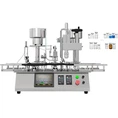
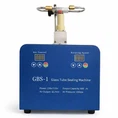
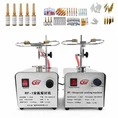
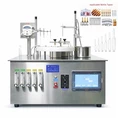
What is a filling machine?
A filling machine is a type of industrial equipment that is used to automate the process of filling containers with different products such as liquids, powders, granules, and even pastes. These machines are commonly used in various industries, including food and beverage, pharmaceutical, chemical, and cosmetic industries. The main purpose of a filling machine is to ensure accurate and efficient filling of containers, reducing human error and increasing productivity.
History of filling machines
The history of filling machines dates back to ancient times when people relied on manual labor and basic tools to fill containers. In the past, filling containers was a time-consuming and tedious task that required significant human effort. As technology advanced, the need for automated solutions arose, leading to the development of filling machines.
The earliest known filling machines were rudimentary devices that utilized manual labor to transfer a product from a reservoir to the containers. These machines were often made of wood and had limited functionality. Over time, advancements in engineering and industrialization resulted in the creation of more advanced and efficient filling machines.
Types of filling machines
There are several types of filling machines available in the market, each designed to handle specific types of products and containers. Some of the most common types of filling machines include:
1. Gravity filling machines: These machines use gravity to fill containers with liquid products. The liquid flows from an elevated reservoir into the containers below.
2. Piston filling machines: Piston filling machines use a piston mechanism to draw a predetermined amount of product from a reservoir and dispense it into the containers. These machines are commonly used for filling viscous products such as creams, gels, and sauces.
3. Overflow filling machines: Overflow filling machines are primarily used for filling containers with liquid products. The filling nozzle creates a constant overflow of the liquid, ensuring precise and consistent filling levels.
4. Auger filling machines: Auger filling machines are designed for filling containers with powders, granules, and other free-flowing products. An auger screw rotates inside the machine, transporting the product from a hopper into the containers.
5. Volumetric filling machines: Volumetric filling machines are versatile machines that can handle various types of products. These machines measure a specific volume of the product and dispense it into the containers.
6. Time-pressure filling machines: Time-pressure filling machines are commonly used for carbonated beverages and other products that require a specific level of pressure during filling. These machines fill the containers based on a predefined time and pressure setting.
Components of a filling machine
A filling machine consists of several key components that work together to ensure efficient and accurate filling. These components include:
1. Product reservoir: The product reservoir holds the product that will be dispensed into the containers. It can vary in size and capacity depending on the specific requirements of the filling machine.
2. Conveyors: Conveyors are used to transport the containers to and from the filling machine. They ensure a smooth and continuous flow of containers, minimizing downtime.
3. Filling nozzles: Filling nozzles are responsible for dispensing the product into the containers. They are designed to provide precise and controlled filling, minimizing spillage and wastage.
4. Sensors and controls: Sensors and controls are essential components of a filling machine that monitor and regulate the filling process. They ensure accurate filling levels, detect any abnormalities or errors, and maintain the overall efficiency of the machine.
5. Hoppers: Hoppers are used to store and supply the product to be filled. They can vary in size and design depending on the type of product and filling machine.
6. Capping or sealing mechanisms: Some filling machines also include capping or sealing mechanisms that tightly seal the containers after filling. This ensures product integrity and prevents leakage or contamination.
Benefits of using filling machines
The use of filling machines offers numerous benefits for businesses in various industries. Some of the key benefits include:
1. Increased productivity: Filling machines automate the filling process, significantly increasing productivity and reducing the need for manual labor. These machines can fill a large number of containers in a short span of time, ensuring efficient production.
2. Improved accuracy: Filling machines are designed to provide precise and accurate filling, eliminating human errors and inconsistencies. This ensures that each container is filled with the correct amount of product, maintaining product quality and customer satisfaction.
3. Cost savings: By reducing the need for manual labor and minimizing product wastage, filling machines can lead to significant cost savings for businesses. These machines also require minimal maintenance and have long lifespans, further contributing to cost-effectiveness.
4. Versatility: Filling machines can be customized and adapted to handle a wide range of products and containers. This versatility allows businesses to cater to diverse customer demands and expand their product offerings.
5. Health and safety: Filling machines minimize human contact with products, reducing the risk of contamination and ensuring product safety. These machines also adhere to strict quality control standards, ensuring compliance with health and safety regulations.
Conclusion
In conclusion, a filling machine is a vital piece of equipment in many industries, automating the process of filling containers with various products. These machines offer numerous benefits, including increased productivity, improved accuracy, cost savings, versatility, and enhanced health and safety. As technology continues to advance, filling machines are expected to become even more efficient, precise, and adaptable, further revolutionizing the manufacturing and packaging processes.