

What are pharmaceutical instruments?
Pharmaceutical instruments play a crucial role in the field of pharmacy and medicine. These specialized devices are used for various purposes, ranging from research and development to manufacturing and quality control. In this comprehensive article, we will delve into the world of pharmaceutical instruments, exploring their types, functions, and significance in the healthcare industry.
Introduction to Pharmaceutical Instruments
Pharmaceutical instruments are tools designed to perform specific tasks in pharmaceutical laboratories, manufacturing facilities, and research institutes. These instruments are meticulously engineered to meet the rigorous demands of the pharmaceutical industry and ensure the safety, efficacy, and quality of pharmaceutical products. They aid in the preparation, analysis, and documentation of drugs, helping scientists, researchers, and healthcare professionals achieve their objectives.
Types of Pharmaceutical Instruments
Pharmaceutical instruments encompass a wide range of devices, each serving a unique purpose in the pharmaceutical workflow. Let us explore some of the most commonly used types of pharmaceutical instruments in detail:
1. Analytical Instruments: Analytical instruments are essential for drug analysis and quality assurance. These instruments include high-performance liquid chromatography (HPLC), gas chromatography (GC), mass spectrometry (MS), spectrophotometers, and dissolution testers. They are used to measure drug purity, identify impurities, and ensure compliance with regulatory standards.
2. Mixing and Homogenizing Instruments: Mixing and homogenizing instruments are used in the formulation and manufacturing of pharmaceutical products. These instruments include mixers, blenders, homogenizers, and granulators. They facilitate the uniform distribution of ingredients, ensuring consistent drug quality and dissolution characteristics.
3. Drying Instruments: Drying instruments are employed in the removal of moisture or solvents from pharmaceutical products. Some commonly used drying instruments are freeze dryers, vacuum ovens, and tray dryers. These devices maintain the integrity of the product and extend its shelf life by preventing microbial growth.
4. Weighing Instruments: Weighing instruments, such as analytical balances, precision balances, and microbalances, are vital in accurate dosing and formulation of drugs. These instruments ensure precise measurements of active pharmaceutical ingredients (APIs) and excipients, contributing to the overall drug quality.
5. Microscopy Instruments: Microscopy instruments, including compound microscopes and electron microscopes, allow researchers to visualize drug substances and formulations at a microscopic level. They aid in the characterization of drug particles, identification of contaminants, and formulation development.
6. Sterilization Instruments: Sterilization instruments play a pivotal role in ensuring the sterility of pharmaceutical products and equipment. Autoclaves, dry heat sterilizers, and ultraviolet (UV) sterilizers are commonly used in pharmaceutical facilities. These instruments eliminate bacteria, viruses, and other microorganisms, thus preventing contamination and ensuring product safety.
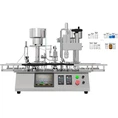
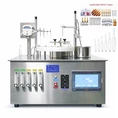
7. Packaging and Labeling Instruments: Packaging and labeling instruments are employed in the final stage of pharmaceutical manufacturing. These instruments include blister packaging machines, labelers, and cartoning machines. They facilitate the efficient packaging, labeling, and serialization of drugs, ensuring compliance with regulatory requirements.
The Significance of Pharmaceutical Instruments
Pharmaceutical instruments are indispensable in the pharmaceutical industry for several reasons:
1. Quality Assurance: Pharmaceutical instruments enable thorough quality control throughout the drug development and manufacturing process. They help in the identification and elimination of impurities, ensuring that drugs meet regulatory standards and are safe for consumption.
2. Research and Development: Pharmaceutical instruments are vital tools in drug discovery and development. They aid scientists in the synthesis, analysis, and characterization of new drug molecules. These instruments expedite the research process, leading to the discovery of novel and effective medications.
3. Efficiency and Accuracy: Pharmaceutical instruments enhance the efficiency and accuracy of pharmaceutical processes. They automate tedious and time-consuming tasks, minimizing human error and improving reproducibility. This, in turn, leads to cost-effectiveness and higher productivity in pharmaceutical operations.
4. Patient Safety: The use of pharmaceutical instruments ensures the safety of patients by preventing contamination, ensuring accurate dosing, and validating drug quality. These instruments contribute to the development of safe pharmaceutical formulations with minimal side effects.
5. Compliance with Regulations: Pharmaceutical instruments assist in meeting the stringent regulations imposed by regulatory bodies such as the Food and Drug Administration (FDA) and European Medicines Agency (EMA). They provide the necessary documentation and data required for regulatory submissions and audits.
6. Innovation in Drug Delivery: Advancements in pharmaceutical instruments have led to innovative drug delivery systems. Devices such as autoinjectors, inhalers, and transdermal patches enhance the effectiveness and convenience of drug administration, improving patient compliance and outcomes.
Conclusion
Pharmaceutical instruments play a vital role in the pharmaceutical industry, contributing to drug development, manufacturing, and quality control. These instruments not only ensure the safety and efficacy of pharmaceutical products but also aid in research and innovation. Through their accuracy, efficiency, and compliance with regulations, pharmaceutical instruments have revolutionized the healthcare industry, leading to improved patient outcomes and well-being.