

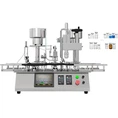
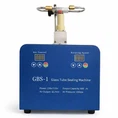
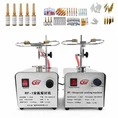
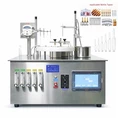
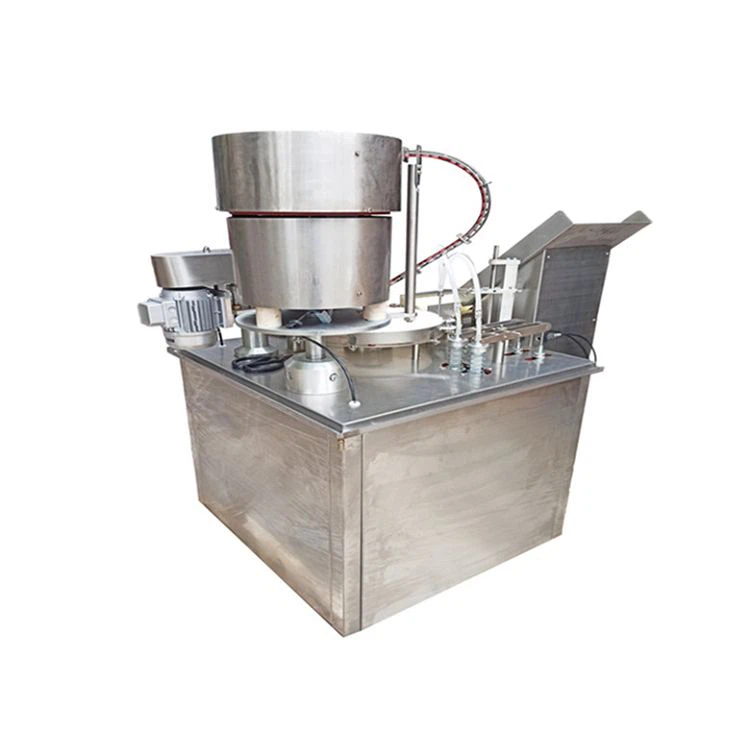
As the name suggests, a liquid filling machine is a device used to package liquid products. These machines are used in a wide range of industries, including food and beverage, pharmaceutical, chemical, and cosmetics.
Benefits of Liquid Filling Machine
Faster Production
Fast production is one of the top benefits of liquid filling machines. The machine can quickly and accurately fill containers with the correct amount of liquid, meaning you can get products out the door faster. This is especially beneficial for industries that need to fill large volumes of containers.
Reduced Labor Costs
An automatic liquid filling machine can reduce labor costs significantly because it needs minimal operator involvement, in most cases just one operator is needed. This means you don't need to hire as many people to do the job, saving you money in the long run.
Highly Accurate Fill Volumes
An automatic liquid filling machine fills containers with a highly accurate volume of liquid. You can be sure that the products you send out are filled with the correct amount of liquid, which is essential for many industries.
Ability to Adjust to Multiple Products
The filling machine can quickly and easily adjust to different products. This makes it easy to effortlessly switch between different products and fill containers with the right amount of liquid. If the product can be pumped, it can be filled.
Versatility
The liquid filling machine is also very versatile. You can use it for a wide range of products, from beverages to chemicals. In addition, it can fill containers of different sizes and shapes. This makes it very useful for many industries.
Reduced Wastage
Using a liquid filling machine is a great way to reduce waste. The machine can accurately fill containers with the right amount of liquid. With this technology, you don't have to worry about overfilling or underfilling and wasting products.

Why Choose Us
One-stop service
We promise to provide you with the fastest reply, the best price, the best quality, and the most complete after-sales service.
Customer Satisfaction
We are committed to delivering high quality services that exceed our clients' expectations. We strive to ensure that our clients are satisfied with our services and work closely with them to ensure their needs are met.
Competitive Pricing
We offer competitive pricing for our services without compromising on quality. Our prices are transparent, and we do not believe in hidden charges or fees.
Quality Assurance
We have a rigorous quality assurance process in place to ensure that all our services meet the highest standards of quality. Our team of quality analysts checks each project thoroughly before it is delivered to the client.
Expertise and Experience
Our team of experts have years of experience in delivering high quality services to our clients. We hire only the best professionals who have a proven track record of delivering exceptional results.
Customer Service
We earn your respect by delivering on time and on budget. We built our reputation on exceptional customer service. Discover the difference it makes.
Every type of liquid filling machinery has its own operating mechanism. But in general, all liquid fillers incorporate similar working principles.
Regardless of how the machine handles the liquid product for the filling process depending on the liquid's viscosity, all liquid fillers fill a specific amount of liquid into each container at a certain speed depending on the machine's automation level. The number of filling nozzles the machine has will also affect how many containers it can fill simultaneously.
Fully Automatic Liquid Filling Machines
For fully-automatic liquid fillers, the containers travel through a power conveyor system to the filling station. The filling nozzles dispense the liquid product, which is contained in a cylinder or hopper, to the container either via quantitative or volumetric filling depending on the type of machine. We will discuss the various types of liquid fillers further in the next section.
Once the containers are filled, they continue traveling to the next stage of the packaging process which is usually the capping process.
Semi-Automatic Liquid Filling Machines
While fully automatic liquid fillers do not need much interaction with the operator, semi-automatic liquid fillers do not come with power conveyors. Thus, the operator will need to manually place the containers into the machine and then initiate the filling process via a finger or a footswitch.
Manual Liquid Filling Machines
There are also manual liquid fillers that are operated solely by hand. They are similar to semi-automatic filling machines but manual fillers do not require a power source for the filling process, unlike semi-automatic ones.
Types of Liquid Filling Machines
Liquid filling machines can be classified based on different factors. These factors include the machine's usage/application and production speed as will be discussed in this section.
By Machine Orientation
Rotary Liquid Filler
The design of a specialized rotary liquid filling machine is typically much larger compared to inline liquid fillers. Rotary fillers can come in 25, 50, 100, or more filling heads. They are big and they fill containers at fast speeds, allowing your packaging line to produce far greater numbers of containers per minute compared to the capacity of an average inline filling machine.
But, when a complication occurs in the middle of the production process, many containers are wasted because many more containers are present in the filling machine in every given time. Thus, rotary liquid filler machines are more complicated to operate and fix compared to inline filling machines that allow operators to fix the problems on the fly.
With this being said, large thriving companies can benefit a lot from the unmatched speed and production capacity of rotary liquid fillers. This is why large enterprises such as Coca-Cola opt for these kinds of machines.
Inline Liquid Filler
As the name suggests, an inline liquid filling machine fills containers in a continuous line using a conveyor system. They are popular to packagers due to their cost-effectiveness and easy adjustment to each packager's needs. They come in four to twenty filling heads/nozzles and sometimes more to accommodate the production requirements of different businesses.
Companies with low to medium production rate requirements often opt for inline liquid fillers. This is because the design of these machines allows for easier detection of problems during the production process.
When a complication occurs, you can easily stop, fix, and resume the machine into production at a faster speed compared to rotary liquid fillers. Thus, resulting in fewer numbers of wasted containers.
Some inline liquid fillers are designed to be scalable which allows packagers to increase the number of filling heads when their output requirement increases. This speeds up the production of your packaging line.
By Filling Principle
Vacuum Filler
Vacuum filling machines use vacuum feeding and vane cell feed systems. They are usually used for filling viscous/paste products. In the filling process, the liquid products are transported with the help of the following:
A vane cell feed system
A hopper integrated with a feeding device
The liquid products are drawn gently from the hopper into the vane cell feed system through the application of vacuum using a vacuum pump. This process happens once a pre-evacuated cell in the feed system moves underneath the hopper. This generates a continuous flow of the product during the filling process.
Volumetric Filler
Volumetric liquid filling machines fill products into containers via a volumetric filling principle. There are two common types of volumetric fillers: gravity and piston fillers.
Gravity Fillers
Gravity filling machines allow the operator to set the fill time of the individual nozzles of the machine. This allows the right volume of liquid product to be dispensed into each container for more accuracy.
In these kinds of machines, the liquid products flow through tubes towards the nozzles via gravity. This makes gravity fillers ideal for efficient filling of thin and free-flowing products versus thicker liquids that move slowly.
Piston Filler
Piston filling machines are more suitable for thicker and high-viscosity liquid products but they can handle thin liquids too. Thick products do not flow freely so they need a little help before they can reach the bottles. You can also use these machines for products containing large particulates such as bits and pieces of fruits and vegetables
Piston fillers fill products into a cylinder first before using pistons in pushing the product from the cylinder towards the waiting containers below the filling nozzles. The unchanging volume of the cylinder helps in achieving accurate volumetric fills.
Overflow Filler
Overflow filling machines adopt the principle of overflow filling as indicated by their name. These machines provide an alternative to the volumetric fill of gravity filling machines.
Instead of filling a certain amount of product into each bottle, overflow fillers fill each bottle with identical levels of liquid, regardless of the bottles' slight volume differences. Thus, making overflow fillers an ideal solution for filling clear containers. This is because these machines give an aesthetic value to the products once on the shelves.
Moreover, overflow fillers work best with thin liquid products and for foaming products that need to be controlled during the process of filling.
Pump Filler
Pump filling machines are perfect for handling thick products. They can match the pump to your liquid product for more efficient and consistent fills
Vacuum Filler
Vacuum filling machines use vacuum feeding and vane cell feed systems. They are usually used for filling viscous/paste products. In the filling process, the liquid products are transported with the help of the following:
A vane cell feed system
A hopper integrated with a feeding device
The liquid products are drawn gently from the hopper into the vane cell feed system through the application of vacuum using a vacuum pump. This process happens once a pre-evacuated cell in the feed system moves underneath the hopper. This generates a continuous flow of the product during the filling process.
Volumetric Filler
Volumetric liquid filling machines fill products into containers via a volumetric filling principle. There are two common types of volumetric fillers: gravity and piston fillers.
Gravity Fillers
Gravity filling machines allow the operator to set the fill time of the individual nozzles of the machine. This allows the right volume of liquid product to be dispensed into each container for more accuracy.
In these kinds of machines, the liquid products flow through tubes towards the nozzles via gravity. This makes gravity fillers ideal for efficient filling of thin and free-flowing products versus thicker liquids that move slowly.
Piston Filler
Piston filling machines are more suitable for thicker and high-viscosity liquid products but they can handle thin liquids too. Thick products do not flow freely so they need a little help before they can reach the bottles. You can also use these machines for products containing large particulates such as bits and pieces of fruits and vegetables
Piston fillers fill products into a cylinder first before using pistons in pushing the product from the cylinder towards the waiting containers below the filling nozzles. The unchanging volume of the cylinder helps in achieving accurate volumetric fills.
Overflow Filler
Overflow filling machines adopt the principle of overflow filling as indicated by their name. These machines provide an alternative to the volumetric fill of gravity filling machines.
Instead of filling a certain amount of product into each bottle, overflow fillers fill each bottle with identical levels of liquid, regardless of the bottles' slight volume differences. Thus, making overflow fillers an ideal solution for filling clear containers. This is because these machines give an aesthetic value to the products once on the shelves.
Moreover, overflow fillers work best with thin liquid products and for foaming products that need to be controlled during the process of filling.
Pump Filler
Pump filling machines are perfect for handling thick products. They can match the pump to your liquid product for more efficient and consistent fills made possible by the different kinds of pumps you can choose from.
Packagers have the option for either pulse or time based fills when using pump fillers. These machines add a little push in getting thicker liquid products such as oils, gels, and others. But, there are also pumps that are suitable for low-viscosity products as well.
Net Weight Filler
Net weight filling machines work by filling containers using a fixed weight set by the operator. They use weighing scale platforms in monitoring product weights as the product is being filled into a container. These machines are ideal for filling bulk quantities of liquids into containers with very high values, like 5-gallon pails, that you need to weight correctly to prevent profit loss.
Moreover, net weight filler machines are suitable for fills that are highly accurate, especially when packaging products that are labeled by weight.

Liquid filling machines are designed to fill containers up to a specified level and are ideal for clear containers where the product is visible to the consumer. It is not only a machine to fill bottles but can also be used with cups, cans, and cartons.
Volumetric filling machines, fill containers with the same amount of product, no matter the size or shape of the container. There are three types of volumetric filling machines:
Gravity fillers hold the product in a tank above the filling nozzles and use gravity to assist in the filling process.
Piston fillers use pistons instead of pumps to push the product into the waiting containers.
Pump fillers use different kinds of pumps that match the liquid product, and if the liquids are thicker, the system gives a push to get them into the container.
If you're searching for a new or used liquid filling machine for a new or existing production line, there are several factors to consider when making a purchase. Applications can vary greatly, with many different products out there that have individual filling and packaging requirements.
Liquid Viscosity
One of the first aspects to consider when selecting a liquid filler is the viscosity of your product. Liquids can be anywhere from water-thin to highly viscous pastes, with many other semi-viscous and thicker products in between. Some equipment will be able to handle thicker liquids while others are designed primarily for thin products.
Type of Container
The type of container you use to fill your products is also important when selecting equipment. You'll need to make sure you select a liquid filler that can fill your containers, whether they're plastic or glass, short or tall, square or round, or come with larger or small openings. Some machines are more easily configured to meet the needs of a variety of packages if your production line is designed with versatility in mind.
Fill Volume
While you may believe that determining fill volume is simple, this aspect will also depend on other factors such as viscosity, fill rate, and filling systems. Your industry also may have particularly stringent fill accuracy requirements that you need to meet to maintain compliance.
Fill Rate
When it comes to production, one of the most important considerations is how many containers you can fill per hour, minute, or production shift to meet your quota. Different machines are designed to achieve different fill rates, which will also depend on factors such as manual or automatic operation, viscosities, fill volume requirements, and container types, along with the type of filling and metering system you want to use.
The Effect of Liquid Filling Machines on Efficiency and Productivity Increase
Liquid filling machines offer many advantages in terms of efficiency and productivity. Here are the effects of liquid filling machines on efficiency and productivity increase:
Fast and Automatic Filling: Liquid filling machines automatically fill liquid products, which speeds up business processes. They fill faster and more efficiently than manual filling. This increases production speed and enables more product filling in less time.
Accurate Dosing: Liquid filling machines dos accurately by using precise measurement and control systems. This ensures that products are filled in the correct quantities on a consistent basis. Correct dosing improves product quality and prevents waste.
Reduced Error and Loss: Errors and losses can occur during the manual filling process. Liquid filling machines perform automatically programmed filling processes, minimizing errors and losses. This increases production efficiency and reduces costs.
Flexibility: Liquid filling machines can be adjusted for different bottle or packaging types and sizes. This ensures that different products and packaging requirements are met. Flexibility allows greater variety and variability in production processes.
Reduction in Labor Costs: Automatic filling machines reduce the need for manpower. Automating filling processes reduces labor costs and allows workers to focus on more efficient and strategic tasks.
Production Continuity: Liquid filling machines provide an uninterrupted filling process. It prevents human-related errors and intermediate data. This increases production continuity and reduces downtime.
When all these factors come together, liquid filling machines increase overall productivity and efficiency. Faster, accurate, flexible and continuous filling processes provide competitive advantage to businesses and increase profitability by reducing costs.
Automation of Packaging Processes with Liquid Filling Machines
Liquid filling machines play an important role in enabling the automation of packaging processes. Automation is a machine-controlled and managed process that replaces manual processes. Liquid filling machines automate packaging processes in the following ways:
Automatic Filling: Liquid filling machines ensure the automatic filling of liquids in correct doses. The machine is programmed with adjustable parameters and fills a certain amount of liquid quickly and precisely. This reduces the risk of human error and ensures the correct fill quantity.
Automatic Capping: Some liquid filling machines have automatic capping mechanisms. These mechanisms automatically put the lids on the packages after the filling process is completed. This saves time and labor cost compared to manual capping operations.
Labeling and Coding: Liquid filling machines can be integrated with automatic labeling and coding systems. Labels can be automatically affixed on packages or information such as date and serial number can be automatically encoded. This reduces labor time and prevents labeling errors.
Data Monitoring and Control: Automatic liquid filling machines monitor and control data about the filling process. It is ensured that parameters such as filling speed, filling amount, level control are constantly monitored and adjustments are made automatically when necessary. This detects inconsistencies in the process and improves production quality.
Alarm and Error Handling: Automatic liquid filling machines detect abnormal conditions and activate alarm or error handling mechanisms accordingly. For example, in case of overfill, overflow or filling error, the machine may automatically stop and give warnings to alert the operator. This prevents the production of faulty products and ensures safety.
Automating packaging processes with liquid filling machines reduces labor time, increases production speed, ensures consistency, reduces error rate and improves worker safety. In addition, production efficiency and quality can be increased through automatic data monitoring and control. This provides businesses with a more efficient, reliable and competitive production process.
Our Factory
We have rich experience in equipment automation. In addition to the design and manufacture of conventional equipment, we can also customize product design solution according to user needs. The company has its own lathes and milling machines, and two senior fitters, who can make samples and processing parts at any time. While product quality is guaranteed, it can respond quickly to user needs. We have an excellent sales team who have a good understanding of the product performance, can understand customer needs in a timely manner, and can fully display the advantages of the product. We have 3 after-sales person. Whenever we receive user appeals, we will respond immediately within 24 hours, Come up with a solution. with a aim to create more value to our visionary customers and grow big together.

FAQ
Q: What is the process of liquid filling machine?
Q: What is the purpose of filling machine?
Q: What is the function of liquid packing machine?
Q: What is the use of liquid dispensing machine?
Q: What is a filling machine called?
Q: What is a filling machine for sterile products?
Injection Vial Filling Machine. ₹ 2,35,000. Adinath International.
Dry Injection Filling Machine in Baddi. ₹ 7,50,000.
Vial Filling Machine. ₹ 4,75,000.
Vial Filling Machine. ₹ 4,50,000.
Automatic Vial Filling & Stoppering Machine. ₹ 14,50,000.
Q: How does a volumetric filling machine work?
Q: How does an automatic filling machine work?
Q: How does a rotary filler work?
Q: What is the principle of packing machine?
Q: How do you package a liquid product?
Q: Who can benefit from an automated fluid dispenser?
Q: How many types of filler machines are there?
Q: What is the degree of filling machine?
Q: How are vials filled?
Q: What are the benefits of aseptic filling?
Q: Is hot fill aseptic?
Q: What is aseptic filling process in pharma?
Q: What is a normal pressure filling machine?
Q: What is cold filling?
Hot Tags: liquid filling machine, China liquid filling machine manufacturers, suppliers, factory, vial filler, filling machine


