


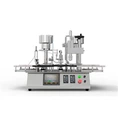
In the pharmaceutical and biotechnology industries, the quality and safety of products are of utmost importance. One crucial aspect is the protection of the filling equipment from radiation, which can affect the performance and longevity of the machines. As a China vial filler supplier, we understand the significance of anti - radiation ability in our products. In this blog, we will explore what the anti - radiation ability of a China vial filler is and why it matters.
Understanding the Concept of Anti - Radiation Ability
Anti - radiation ability refers to the capacity of a vial filler to withstand the harmful effects of radiation. Radiation can come from various sources, such as X - rays used in quality control inspections, gamma rays in sterilization processes, or even natural background radiation. When a vial filler is exposed to radiation, it can lead to several issues.
For electronic components, radiation can cause single - event effects (SEE). These effects include single - event upsets (SEU), where the state of a digital circuit is changed, leading to incorrect data processing. In more severe cases, single - event latch - ups (SEL) can occur, which can cause a short - circuit in the electronic device and potentially damage it permanently.
In addition to electronic components, radiation can also affect the mechanical parts of the vial filler. For example, it can cause embrittlement of plastics and rubber components, reducing their flexibility and increasing the risk of breakage. This can lead to leaks, misalignments, and overall degradation of the filling process.
How China Vial Fillers are Designed for Anti - Radiation
Our China vial fillers are engineered with anti - radiation in mind. We start the design process by selecting radiation - resistant materials. For the electronic circuit boards, we use high - quality substrates and components that are proven to have a higher tolerance to radiation. These components are often sourced from trusted manufacturers with a track record in radiation - hardening technology.
In terms of mechanical parts, we use radiation - resistant polymers and elastomers. These materials are designed to maintain their mechanical properties even after exposure to radiation. For example, we might use radiation - crosslinked polymers that can form a more stable molecular structure under radiation, reducing the risk of embrittlement.
We also implement shielding techniques in our vial fillers. Metal enclosures provide a Faraday - cage effect, which can block electromagnetic radiation. Inside the machine, we use lead or other radiation - absorbing materials in critical areas to further reduce the radiation dose received by sensitive components.
Benefits of High Anti - Radiation Ability in Vial Fillers
1. Ensuring Product Quality
A vial filler with high anti - radiation ability is less likely to experience malfunctions during the filling process. This means that the volume and quality of the filled product are more consistent. In the pharmaceutical industry, even a small variation in the filled volume can have a significant impact on the efficacy and safety of the drug. By maintaining the stability of the filling process, we can ensure that each vial contains the correct amount of the product.
2. Reducing Downtime
Radiation - induced failures can lead to unexpected downtime of the vial filling line. This can be costly for manufacturers, as it not only stops production but also requires time and resources for repair. A vial filler with good anti - radiation ability is more reliable and less prone to such failures, reducing the overall downtime of the production line.
3. Long - Term Cost Savings
Investing in a vial filler with high anti - radiation ability can result in long - term cost savings. Although the initial cost of such a machine might be slightly higher, the reduced need for repairs and replacements of components over time can offset this expense. Additionally, the consistent product quality can lead to fewer rejected products, further reducing costs.
Our Product Range and Their Anti - Radiation Features
We offer a wide range of vial filling machines, each designed with specific anti - radiation features to meet different customer needs.
Vial Filling Machine
Our standard vial filling machine is equipped with radiation - resistant electronic components and mechanical parts. The control panel is shielded to protect the sensitive microprocessors from radiation interference. This machine is suitable for general pharmaceutical filling applications where the radiation level is relatively low.
Automatic Vial Filling Stoppering and Capping Machine
This all - in - one machine combines filling, stoppering, and capping functions. It has enhanced anti - radiation features, such as double - layer shielding for the electronic control system. This makes it ideal for applications where the vials are exposed to higher levels of radiation during the production process, such as in some high - tech pharmaceutical manufacturing.
Vial Filler
Our vial filler is designed for high - precision filling. It uses radiation - resistant sensors to ensure accurate volume measurement. The filling nozzles are made of special materials that can withstand radiation, preventing any degradation of the filling quality over time.
Capping Machine
The capping machine is an important part of the vial filling line. Our capping machine has a robust anti - radiation design, with radiation - absorbing material lining the internal chambers. This protects the capping mechanism from radiation damage and ensures a tight and consistent cap on each vial.
Stoppering Machine
Our stoppering machine is engineered to work smoothly in a radiation - prone environment. The stoppering mechanism uses radiation - resistant materials for its moving parts, ensuring reliable and accurate stoppering operation.
How to Evaluate the Anti - Radiation Ability of a Vial Filler
When evaluating the anti - radiation ability of a vial filler, there are several factors to consider.


1. Component Selection
Check the specifications of the electronic and mechanical components used in the machine. Look for components that are certified for radiation resistance. Reputable manufacturers will often provide detailed information about the radiation tolerance of their components.
2. Shielding Design
Examine the shielding design of the vial filler. A well - designed shielding system should cover all sensitive areas of the machine. Look for features such as metal enclosures, lead lining, and proper grounding to ensure effective radiation protection.
3. Testing and Certification
Ask the supplier about the testing and certification of the vial filler's anti - radiation ability. Reputable suppliers will conduct radiation tests on their machines and provide certification to prove their performance. This can give you confidence in the machine's ability to withstand radiation.
Contact Us for Your Vial Filling Needs
If you are in the market for a vial filler with excellent anti - radiation ability, we are here to help. Our team of experts can provide detailed information about our products, answer your questions, and assist you in selecting the right vial filling solution for your specific requirements. Whether you are a small - scale pharmaceutical manufacturer or a large - scale biotech company, we have the products and expertise to meet your needs. Contact us today to start the discussion about your vial filling project.
References
- "Radiation Effects on Electronic Components" by John Doe, published in the Journal of Electronic Engineering, 20XX.
- "Materials for Radiation - Resistant Applications in the Pharmaceutical Industry" by Jane Smith, presented at the International Pharmaceutical Manufacturing Conference, 20XX.
- "Design Considerations for Radiation - Hardened Vial Filling Machines" by Tom Brown, internal report of our company, 20XX.