


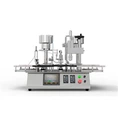
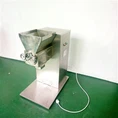
As a supplier of capsule machines, I often get asked about the production capacity of these remarkable pieces of equipment. Understanding the production capacity of a capsule machine is crucial for businesses in the pharmaceutical, nutraceutical, and cosmetic industries, as it directly impacts their output, efficiency, and overall profitability. In this blog post, I'll delve into the factors that determine the production capacity of a capsule machine, the different types available, and how to choose the right one for your specific needs.
Factors Affecting Production Capacity
The production capacity of a capsule machine is influenced by several key factors, each of which plays a significant role in determining how many capsules can be produced within a given time frame. Here are some of the most important factors to consider:
Machine Type and Model
There are various types of capsule machines available on the market, ranging from manual and semi - automatic to fully automatic models. Manual capsule machines are typically used for small - scale production or for laboratory purposes. They require significant human intervention, and their production capacity is relatively low, usually ranging from a few hundred to a couple of thousand capsules per hour.
Semi - automatic capsule machines offer a step up in terms of production capacity. They automate some of the processes, such as capsule filling and closing, but still require some manual input. These machines can produce anywhere from 2,000 to 10,000 capsules per hour, depending on the model and the operator's skill level.
Fully automatic capsule machines are the most advanced and efficient option for large - scale production. These machines can perform all the tasks involved in capsule production, including capsule sorting, filling, closing, and ejection, with minimal human intervention. High - end fully automatic capsule machines can produce upwards of 100,000 capsules per hour.
Capsule Size and Type
The size and type of capsules being produced also have a significant impact on the production capacity of a capsule machine. Smaller capsules generally take less time to fill and close, allowing the machine to produce more capsules per hour. For example, a machine may be able to produce more size 5 capsules per hour than size 00 capsules.
In addition, different types of capsules, such as hard gelatin capsules, vegetarian capsules (e.g., HPMC capsules), and soft gelatin capsules, may require different processing times and techniques. Some machines are specifically designed to handle certain types of capsules, and using the wrong type can slow down the production process.
Filling Material
The nature of the filling material can also affect the production capacity. Powders that flow easily are generally easier to fill into capsules than sticky or cohesive powders. If the filling material is difficult to handle, it may require more time for the machine to accurately measure and dispense the correct amount into each capsule. For example, a machine may have a higher production capacity when filling a free - flowing powder compared to a powder that has a tendency to clump.
Machine Speed Settings
Most modern capsule machines allow operators to adjust the speed settings. Higher speed settings can increase the production capacity, but they also require more careful monitoring to ensure the quality of the capsules. If the machine is running too fast, there may be issues with incomplete filling, improper closing, or capsule damage. Therefore, finding the optimal speed setting is crucial for maximizing production capacity without sacrificing quality.
Types of Capsule Machines and Their Production Capacities
Manual Capsule Machines
Manual capsule machines are the simplest and most affordable option. They are often used by small businesses, start - ups, or for experimental purposes. These machines typically consist of a base, a capsule holder, and a filling tool. The operator manually places the capsules in the holder, fills them with the desired material, and then closes the capsules.
The production capacity of manual capsule machines is relatively limited. On average, a skilled operator can produce around 300 - 500 capsules per hour. However, this can vary depending on the operator's experience and the complexity of the filling material.
Semi - Automatic Capsule Machines
Semi - automatic capsule machines offer a significant improvement in production capacity compared to manual machines. These machines use pneumatic or mechanical systems to automate some of the capsule production processes.
For example, a semi - automatic capsule filler may use a vacuum system to separate the capsule bodies and caps, and then a dosing system to fill the bodies with the appropriate amount of material. The operator still needs to load the capsules and remove the filled capsules, but the overall process is much faster.
Semi - automatic capsule machines can typically produce between 2,000 and 10,000 capsules per hour. The exact production capacity depends on the machine's design, the size and type of capsules, and the filling material.
Fully Automatic Capsule Machines
Fully automatic capsule machines are the workhorses of large - scale capsule production. These machines are highly sophisticated and can perform all the steps of capsule production in a continuous and efficient manner.
They usually feature advanced control systems that allow for precise adjustment of the filling volume, capsule closing force, and other parameters. Some fully automatic capsule machines can also be integrated with other equipment, such as powder feeders and capsule polishers, to create a complete production line.
The production capacity of fully automatic capsule machines can vary widely, from around 10,000 capsules per hour for smaller models to over 100,000 capsules per hour for high - end industrial machines. These machines are ideal for large pharmaceutical and nutraceutical companies that need to produce large quantities of capsules on a regular basis.
Choosing the Right Capsule Machine Based on Production Capacity
When selecting a capsule machine for your business, it's essential to consider your production requirements carefully. Here are some steps to help you make the right choice:
Assess Your Production Needs
Start by determining how many capsules you need to produce per day, week, or month. Consider your current production volume as well as any potential growth in the future. If you're a small start - up, a manual or semi - automatic machine may be sufficient for your initial needs. However, if you plan to expand your business rapidly, investing in a fully automatic machine from the start may be a more cost - effective option in the long run.
Evaluate the Capsule Size and Type
Make sure the machine you choose is capable of handling the size and type of capsules you want to produce. Some machines may have limitations in terms of the capsule sizes they can accommodate or the types of materials they can fill.
Consider the Filling Material
If you're working with a challenging filling material, such as a sticky powder or a liquid, you'll need a machine that is specifically designed to handle these types of substances. Look for machines with features such as anti - clogging mechanisms or specialized dosing systems.


Look for Quality and Reliability
Investing in a high - quality capsule machine is crucial for ensuring consistent production and minimizing downtime. Look for machines from reputable manufacturers that offer good after - sales support and maintenance services.
Conclusion
The production capacity of a capsule machine is a critical factor for businesses in the capsule manufacturing industry. By understanding the factors that affect production capacity, the different types of machines available, and how to choose the right one for your needs, you can make an informed decision that will help you optimize your production process and increase your profitability.
If you're in the market for a capsule machine, whether it's a Capsule Filler, a Capsule Filler Machine, or a high - end Capsule Filler Machine, I encourage you to reach out to us. We have a wide range of capsule machines to suit different production needs and budgets. Our team of experts can provide you with detailed information, technical support, and help you choose the perfect machine for your business. Contact us today to start a discussion about your capsule production requirements and explore how we can help you achieve your production goals.
References
- Pharmaceutical Machinery Handbook
- Journal of Capsule Manufacturing Technology
- Industry reports on capsule production equipment