


Hey there! As a supplier of monoblock machines, I often get asked about the lubrication system of these nifty pieces of equipment. So, I thought I'd take a moment to break it down for you and explain what it's all about.
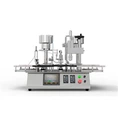
First things first, let's talk about what a monoblock machine is. A monoblock machine is a type of packaging equipment that combines multiple functions into a single unit. For example, it can handle filling, capping, and labeling all in one go. This makes it a popular choice for many industries, especially those that need to package products quickly and efficiently. You can check out more about Monoblock Machine on our website.
Now, onto the lubrication system. The lubrication system of a monoblock machine is like the lifeblood of the whole operation. It plays a crucial role in ensuring that all the moving parts of the machine work smoothly and efficiently. Without proper lubrication, these parts would rub against each other, causing friction, wear and tear, and eventually leading to breakdowns.
There are different types of lubricants used in monoblock machines, and the choice depends on several factors. One of the main factors is the type of moving parts in the machine. For example, some parts may require a thick, viscous lubricant to provide a strong protective layer, while others may need a thinner, more fluid lubricant for better flow and cooling.
Another important factor is the operating conditions of the machine. If the machine operates in a high - temperature environment, a lubricant with good heat - resistance properties will be needed. On the other hand, if the machine is exposed to moisture or chemicals, a lubricant that can resist corrosion will be more appropriate.


Let's take a closer look at how the lubrication system works. Generally, the lubrication system consists of a lubricant reservoir, a pump, and a network of pipes and nozzles. The lubricant is stored in the reservoir. The pump then draws the lubricant from the reservoir and pumps it through the pipes to the various moving parts of the machine. The nozzles are strategically placed to ensure that the lubricant is applied precisely where it's needed.
There are two main types of lubrication methods used in monoblock machines: splash lubrication and pressure lubrication.
Splash lubrication is a relatively simple method. In this system, the moving parts of the machine dip into a pool of lubricant or splash the lubricant around as they move. This method is often used for parts that don't require a high - pressure lubrication. It's cost - effective and easy to maintain, but it may not be suitable for all parts, especially those that need a more precise and consistent supply of lubricant.
Pressure lubrication, on the other hand, is a more advanced method. In a pressure lubrication system, the pump creates high - pressure to force the lubricant through the pipes and into the small spaces between the moving parts. This ensures that all parts are properly lubricated, even those that are difficult to reach. Pressure lubrication is more efficient and reliable, but it also requires a more complex system and may be more expensive to install and maintain.
Regular maintenance of the lubrication system is absolutely essential. You need to check the lubricant level in the reservoir regularly to make sure there's enough lubricant. If the level is low, you should add more lubricant immediately. You also need to check the quality of the lubricant. Over time, the lubricant can become contaminated with dirt, debris, and metal particles. If this happens, the lubricant needs to be replaced to prevent damage to the machine.
In addition, the filters in the lubrication system should be cleaned or replaced regularly. These filters are designed to remove impurities from the lubricant, and if they get clogged, the flow of lubricant can be restricted, which can lead to problems.
Now, let's talk about some of the benefits of having a well - maintained lubrication system in a monoblock machine. Firstly, it reduces friction between the moving parts. This means less energy is wasted in overcoming friction, which can lead to significant energy savings over time. Secondly, it extends the lifespan of the machine. By reducing wear and tear on the parts, the machine can operate for a longer period without major breakdowns or the need for expensive repairs. Thirdly, it improves the overall performance of the machine. With all the parts working smoothly, the machine can operate at its optimal speed and accuracy, resulting in higher productivity and better - quality packaging.
If you're in the market for a monoblock machine, you might be interested in our Eye Drop Filling Machine and Monoblock Filler. These machines are designed with high - quality lubrication systems to ensure reliable and efficient operation.
We understand that every customer has different needs, and we're here to help you find the perfect monoblock machine for your business. Whether you're a small - scale producer or a large - scale manufacturer, we can provide you with a customized solution. If you have any questions about our monoblock machines or their lubrication systems, don't hesitate to get in touch. We're always happy to have a chat and discuss your requirements. Let's start a conversation and see how we can work together to take your packaging operations to the next level.
References
- Packaging Machinery Handbook: This comprehensive handbook provides in - depth information on various types of packaging machines, including monoblock machines and their lubrication systems.
- Lubrication Engineering Journal: A leading journal in the field of lubrication, it offers the latest research and best practices related to lubrication in industrial machinery.