


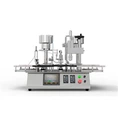
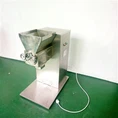
Yo, folks! I'm here as a packing machine supplier to chat about one of the most frequently asked questions: What is the maximum and minimum packing size that a packing machine can handle? It's a crucial topic, especially if you're in the market for a packing machine, so let's dive right in.
Understanding Packing Size Requirements
First off, different industries have wildly different packing size needs. For instance, the food industry might need to pack tiny candies or large family - sized cereal boxes. On the other hand, the pharmaceutical industry could be dealing with small pills or large medical devices. So, when we're talking about the max and min packing sizes a machine can handle, it really depends on the type of machine and its intended use.
Types of Packing Machines and Their Size Capabilities
Blister Packing Machine
Blister packing machines are super popular, especially in the pharmaceutical and consumer goods industries. These machines create a cavity (the "blister") in a plastic film and then seal a product inside it.
The minimum packing size for a Blister Packing Machine can be as small as a single pill or a tiny electronic component. Some high - precision blister packing machines can handle products with dimensions as small as a few millimeters. For example, a machine designed for packing individual vitamins or small screws can manage items with a width and length of around 3 - 5 millimeters.
On the flip side, the maximum packing size is mainly limited by the size of the forming and sealing stations of the machine. A large - scale blister packing machine used for packing larger consumer goods like small toys or makeup items can handle blisters with dimensions up to 300 - 400 millimeters in length and 200 - 300 millimeters in width. And if you're looking for a reliable source for these machines, check out the Blister Packing Machine Factory.
Labeling Machine
Labeling machines are all about applying labels to products. The size requirements here are related to the label itself and the product it's being applied to.
The smallest labels that a Labeling Machine can handle are often used for tiny products like vials or small cosmetic samples. These labels can be as small as 10 - 15 millimeters in width and length. Some ultra - precision labeling machines can even manage labels that are less than 10 millimeters.
For the maximum label size, modern high - capacity labeling machines can handle labels up to 300 millimeters in width and several meters in length. This is useful for large - scale products such as industrial drums or oversized boxes.
Factors Affecting Packing Size Limits
Machine Design and Structure
The physical design of the packing machine plays a huge role in determining its size capabilities. Machines with larger frames and more space between components generally have a greater capacity to handle bigger products. For example, a packing machine with a wide conveyor belt and a large - sized hopper can accommodate larger items.
Mechanical Components
Components like motors, gears, and belts also impact the packing size. A more powerful motor can handle the movement and processing of larger and heavier products. Similarly, gears and belts need to be sized appropriately to ensure smooth operation when dealing with different packing sizes.
Software and Control Systems
Modern packing machines are often equipped with advanced control systems. These systems can be programmed to adjust to different product sizes. However, there are still limitations based on the software's capabilities. Some machines have limitations on the range of sizes they can accurately detect and process, even with adjustable settings.
Customization for Non - Standard Packing Sizes
One of the great things about being a packing machine supplier is that we often offer customization options. If your business has unique packing size requirements that fall outside the standard range of our machines, we can work with you to modify or build a custom - made packing machine.
We'll start by understanding your exact needs, including the dimensions, weight, and shape of the products you need to pack. Then, our engineers will design a solution that meets those specifications. This might involve modifying existing components, adding new features, or even creating an entirely new machine from scratch.


Why Choosing the Right Packing Size Range Matters
Picking a packing machine with the right size capabilities is crucial for several reasons. First, it ensures efficiency. If you're using a machine that's too large for your products, you're wasting energy and space. On the other hand, if the machine is too small, it can lead to jams, breakdowns, and low - quality packing.
Second, it affects the quality of your product packaging. The right - sized machine will provide a tight, secure fit for your products, protecting them during storage and transportation. This can help reduce product damage and returns, saving you money in the long run.
Contact Us for Your Packing Machine Needs
If you're in the market for a packing machine and are still unsure about the size requirements for your business, don't hesitate to reach out. We've got a team of experts who can help you find the perfect packing machine that meets your specific size and performance needs. Whether you need a simple labeling machine or a high - capacity blister packing machine, we've got you covered. Let's start a conversation about how we can make your packing process easier and more efficient!
References
- Industry reports on packing machine technology and trends.
- Internal research and development data from our packing machine production.