


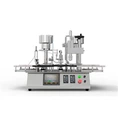
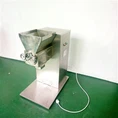
In the dynamic landscape of industrial equipment, granulators stand as indispensable tools across a multitude of sectors, from pharmaceuticals to food processing and plastics manufacturing. As a seasoned supplier of granulators, I've witnessed firsthand the evolving demands of the market and the continuous pursuit of advanced technology. One question that frequently arises among potential buyers is, "Do granulators with advanced technology cost more?" In this blog post, I'll delve into this question, exploring the factors that influence the cost of granulators and the value that advanced technology can bring to your operations.
Understanding the Granulator Market
Before we dive into the cost implications of advanced technology, it's essential to understand the granulator market and the different types of granulators available. Granulators come in various sizes, configurations, and designs, each tailored to specific applications and production requirements. Some common types of granulators include:
- Single-Shaft Granulators: These granulators feature a single rotating shaft with blades that cut and shred materials into smaller pieces. They are commonly used for processing plastics, rubber, and other soft materials.
- Two-Shaft Granulators: Two-shaft granulators have two counter-rotating shafts with intermeshing blades, providing a more efficient and thorough shredding process. They are suitable for processing larger and tougher materials, such as wood, metal, and electronic waste.
- Three-Shaft Granulators: Three-shaft granulators offer even greater shredding power and efficiency, making them ideal for high-volume applications and processing extremely tough materials.
- Pharmaceutical Granulators: Designed specifically for the pharmaceutical industry, these granulators are used to produce granules of uniform size and shape for tablets, capsules, and other dosage forms.
In addition to these basic types, granulators can also be equipped with various advanced features and technologies, such as automated feeding systems, dust collection systems, and intelligent control systems. These features can enhance the performance, efficiency, and safety of the granulator, but they also come at a cost.


Factors Affecting the Cost of Granulators
The cost of a granulator is influenced by several factors, including the type of granulator, its size and capacity, the materials used in its construction, and the level of advanced technology incorporated. Here's a closer look at each of these factors:
- Type of Granulator: As mentioned earlier, different types of granulators have different price points. Single-shaft granulators are generally the most affordable, while three-shaft granulators and pharmaceutical granulators tend to be more expensive due to their higher complexity and performance requirements.
- Size and Capacity: The size and capacity of a granulator also play a significant role in determining its cost. Larger granulators with higher production capacities typically cost more than smaller, lower-capacity models. However, it's important to choose a granulator that is appropriately sized for your production needs to avoid overspending on unnecessary features.
- Materials and Construction: The materials used in the construction of a granulator can have a significant impact on its cost. Granulators made from high-quality materials, such as stainless steel and hardened steel, are generally more expensive than those made from lower-grade materials. However, these materials offer greater durability, corrosion resistance, and performance, which can result in lower maintenance costs and longer equipment lifespan.
- Advanced Technology: Granulators equipped with advanced technology, such as automated feeding systems, dust collection systems, and intelligent control systems, tend to cost more than basic models. These features can improve the efficiency, productivity, and safety of the granulator, but they also require additional components, sensors, and software, which increase the overall cost of the equipment.
The Value of Advanced Technology
While granulators with advanced technology may cost more upfront, they can offer significant long-term benefits that justify the investment. Here are some of the key advantages of using granulators with advanced technology:
- Increased Efficiency: Advanced features such as automated feeding systems and intelligent control systems can streamline the granulation process, reducing manual labor and increasing production efficiency. This can result in higher throughput, lower operating costs, and improved profitability.
- Enhanced Quality: Granulators with advanced technology can produce granules of more consistent size, shape, and quality, which is essential for industries such as pharmaceuticals and food processing. This can improve product performance, reduce waste, and enhance customer satisfaction.
- Improved Safety: Dust collection systems and other safety features can help to protect operators from harmful dust and debris, reducing the risk of respiratory problems and other health issues. Additionally, intelligent control systems can monitor the operation of the granulator and automatically shut it down in the event of a malfunction or safety hazard, preventing accidents and equipment damage.
- Lower Maintenance Costs: Granulators with advanced technology are often designed with features that make them easier to maintain and service. For example, some models have self-cleaning mechanisms that reduce the need for manual cleaning, while others have diagnostic systems that can quickly identify and troubleshoot problems. This can result in lower maintenance costs and less downtime, improving the overall reliability and availability of the equipment.
Making an Informed Decision
When considering whether to invest in a granulator with advanced technology, it's important to weigh the upfront cost against the long-term benefits. Here are some tips to help you make an informed decision:
- Assess Your Needs: Before purchasing a granulator, carefully evaluate your production requirements, including the type of materials you need to process, the desired output size and quality, and the expected production volume. This will help you determine the type and size of granulator that is best suited for your needs.
- Research Your Options: Take the time to research different granulator models and manufacturers, comparing their features, performance, and price. Look for granulators that are equipped with the advanced technology and features that are most important to your operations.
- Consider the Total Cost of Ownership: In addition to the upfront cost of the granulator, consider the total cost of ownership, including maintenance, repair, and operating costs. Look for granulators that are designed for reliability and ease of maintenance, as this can help to reduce long-term costs.
- Request Quotes and Demonstrations: Contact several granulator suppliers and request quotes and demonstrations of their products. This will allow you to compare prices, see the equipment in action, and ask any questions you may have.
Conclusion
In conclusion, granulators with advanced technology do tend to cost more than basic models, but they can offer significant long-term benefits that justify the investment. By increasing efficiency, enhancing quality, improving safety, and reducing maintenance costs, advanced granulators can help businesses to improve their productivity, profitability, and competitiveness. As a granulator price supplier, I'm committed to helping my customers make informed decisions about their equipment purchases. If you're in the market for a granulator, I encourage you to contact me to discuss your needs and explore your options. I'll be happy to provide you with more information, answer your questions, and help you find the right granulator for your business.
References
- "Industrial Mixers." /pharmaceutical-machine/industrial-mixers.html
- "Granulators." /pharmaceutical-machine/granulators.html
- "Granulators Factory." /pharmaceutical-machine/granulators-factory.html