


Hey there! As a supplier of vial fillers, I often get asked about the filling repeatability of a vial filler. So, I thought I'd take a moment to break it down for you.


First things first, let's talk about what filling repeatability actually means. In simple terms, it's the ability of a vial filler to consistently fill vials with the same amount of liquid or product over and over again. This is super important in industries like pharmaceuticals, cosmetics, and food and beverage, where accurate dosing is crucial.
Imagine you're a pharmaceutical company producing a life - saving medication. If the vial filler can't fill each vial with the exact same amount of the drug, some patients might not get the right dosage, which could have serious consequences. On the other hand, in the cosmetics industry, inconsistent filling can lead to customer dissatisfaction and brand reputation issues.
Now, let's dig into the factors that affect the filling repeatability of a vial filler.
1. Pump System
The pump is the heart of a vial filler. Different types of pumps, such as peristaltic pumps, piston pumps, and diaphragm pumps, have different levels of accuracy and repeatability.
Peristaltic pumps work by squeezing a flexible tube to move the liquid. They're great because they're relatively simple and can handle a wide range of viscosities. However, over time, the tube can wear out, which might affect the filling volume. So, regular tube replacement is necessary to maintain good repeatability.
Piston pumps, on the other hand, use a piston to draw in and expel the liquid. They're known for their high accuracy and excellent repeatability, especially when dealing with low - to medium - viscosity liquids. But they can be more complex and require more maintenance compared to peristaltic pumps.
Diaphragm pumps use a flexible diaphragm to create a pumping action. They're suitable for handling corrosive or abrasive liquids. Similar to piston pumps, they can offer good repeatability, but proper maintenance of the diaphragm is essential.
2. Nozzle Design
The nozzle through which the liquid is dispensed also plays a big role in filling repeatability. A well - designed nozzle should ensure a smooth and consistent flow of the liquid into the vials.
Nozzles with the wrong diameter or shape can cause issues like dripping, splashing, or uneven filling. For example, if the nozzle is too large, the liquid might flow out too quickly, leading to over - filling. On the other hand, a too - small nozzle can cause clogging and inconsistent filling.
Some advanced vial fillers come with adjustable nozzles, which allow you to fine - tune the filling process based on the characteristics of the liquid and the vial size.
3. Liquid Viscosity
The viscosity of the liquid being filled is another key factor. Viscous liquids, like honey or thick creams, flow more slowly than thin liquids, like water. A vial filler that works well with low - viscosity liquids might not perform as accurately when filling high - viscosity products.
When dealing with viscous liquids, the pump and the nozzle need to be carefully selected and adjusted. For instance, a piston pump might be a better choice for high - viscosity liquids because it can generate more pressure to move the thick substance.
4. Machine Calibration
Regular calibration of the vial filler is crucial for maintaining filling repeatability. Over time, the components of the machine can wear out or shift slightly, which can affect the filling accuracy.
Calibration involves checking and adjusting the machine to ensure that it's filling the vials with the correct volume. This usually includes measuring the amount of liquid in a sample of vials and making adjustments to the pump speed, stroke length (for piston pumps), or other relevant parameters.
Most modern vial fillers come with built - in calibration features, which make the process easier and more accurate. But it's still important to have a trained operator perform the calibration at regular intervals.
5. Vial Quality
The quality and consistency of the vials themselves can also impact filling repeatability. Vials with inconsistent dimensions, such as variations in the inner diameter or height, can lead to differences in the filling volume.
Before using a batch of vials, it's a good idea to check their quality and ensure that they meet the required specifications. This can help reduce the variability in the filling process.
How to Measure Filling Repeatability
To measure the filling repeatability of a vial filler, you typically take a sample of filled vials and measure the volume of liquid in each one. Then, you calculate the standard deviation of the volumes. A lower standard deviation indicates better repeatability.
For example, if you fill 10 vials and the volumes are very close to each other, the standard deviation will be small, which means the vial filler is doing a great job of filling the vials consistently.
Our Vial Filler Solutions
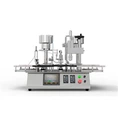
At our company, we understand the importance of filling repeatability. That's why we offer a range of Vial Filling Machine that are designed to provide high - accuracy and reliable filling.
Our vial fillers are equipped with advanced pump systems and precision nozzles to ensure consistent filling. We also offer comprehensive calibration services to help you maintain the best possible repeatability over time.
In addition to vial filling machines, we also provide Stoppering Machine and Vial Sealing Machine to complete your packaging line. These machines are designed to work seamlessly with our vial fillers, ensuring a smooth and efficient production process.
If you're in the market for a vial filler or related equipment, we'd love to have a chat with you. Whether you're a small - scale producer or a large - scale manufacturer, we can help you find the right solution for your needs. Just reach out to us, and our team of experts will be happy to discuss your requirements and provide you with a customized quote.
Investing in a high - quality vial filler with excellent filling repeatability is a smart move for your business. It can help you improve product quality, reduce waste, and increase customer satisfaction. So, don't hesitate to get in touch and start the conversation about upgrading your packaging line.
References
- "Principles of Pharmaceutical Manufacturing" by Patrick J. Sinko
- "Handbook of Cosmetic Science and Technology" by Albert M. Kligman, Howard I. Maibach
- "Food Packaging: Principles and Practice" by Yam K. Rooney