


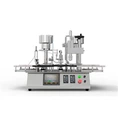
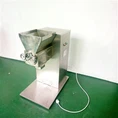
As a reputable supplier of mixing machines, I understand the significance of proper maintenance in ensuring the longevity and optimal performance of these essential pieces of equipment. In this blog post, I will delve into the common maintenance tasks for a mixing machine, providing valuable insights to help you keep your machine in top - notch condition.
1. Regular Cleaning
One of the most fundamental maintenance tasks for a mixing machine is regular cleaning. After each use, it is crucial to remove any residual materials from the mixing chamber, blades, and other components. This prevents the buildup of debris, which can affect the quality of subsequent batches and potentially damage the machine.
To clean the mixing chamber, start by unplugging the machine to ensure safety. Then, use a soft brush or cloth to remove any loose particles. For stubborn residues, a mild detergent solution can be used. However, make sure to rinse thoroughly to avoid leaving any chemical residues that could contaminate future mixtures.
The blades of the mixing machine also require special attention. They should be carefully cleaned to remove any material that may have adhered to them. A small brush can be used to reach into the crevices and ensure a thorough clean. After cleaning, dry all components completely to prevent rusting.
2. Lubrication
Proper lubrication is essential for the smooth operation of a mixing machine. Moving parts such as bearings, gears, and shafts need to be lubricated regularly to reduce friction and wear. Over time, the lubricant can break down or become contaminated, so it is important to follow the manufacturer's recommendations regarding lubrication intervals and the type of lubricant to use.
Before applying lubricant, clean the parts to be lubricated to remove any dirt or debris. Use a clean cloth or brush to apply the lubricant evenly. Be careful not to over - lubricate, as this can attract dust and dirt, leading to potential problems. Regularly check the lubricant levels and top up as needed.
3. Inspection of Belts and Chains
Belts and chains are common components in mixing machines that transmit power from the motor to the mixing mechanism. These parts are subject to wear and tear, and regular inspection is necessary to detect any signs of damage or excessive slack.
Check the belts for cracks, fraying, or signs of stretching. If a belt shows significant wear, it should be replaced immediately to prevent sudden failure during operation. Chains should also be inspected for proper tension and any signs of rust or damage. Adjust the tension of the belts and chains as per the manufacturer's instructions to ensure efficient power transmission.
4. Electrical System Check
The electrical system of a mixing machine is a critical component that requires regular inspection. Check the power cord for any signs of damage, such as cuts or fraying. A damaged power cord can pose a safety hazard and should be replaced promptly.
Inspect the electrical connections to ensure they are tight and free of corrosion. Loose connections can cause electrical problems and may even lead to overheating or short - circuits. Test the switches and controls to make sure they are functioning properly. If you notice any issues with the electrical system, it is advisable to have a qualified electrician perform the necessary repairs.
5. Calibration
Accurate calibration is crucial for a mixing machine to produce consistent and high - quality mixtures. Over time, the settings of the machine may drift, leading to variations in the mixing process. Regular calibration ensures that the machine is operating within the specified parameters.
Calibrate the speed, temperature (if applicable), and other operating parameters according to the manufacturer's instructions. This may involve using specialized calibration tools and following a specific procedure. By calibrating the machine regularly, you can maintain the accuracy of your mixing process and ensure that your products meet the required standards.
6. Motor Maintenance
The motor is the heart of a mixing machine, and proper maintenance is essential to keep it running smoothly. Check the motor for any unusual noises, vibrations, or overheating. These can be signs of a problem, such as a worn - out bearing or a faulty electrical connection.
Clean the motor regularly to remove dust and debris, which can accumulate and affect its performance. Make sure the motor's cooling vents are clear to prevent overheating. If the motor has a fan, check that it is functioning properly. If you suspect any issues with the motor, it is best to consult a professional technician for diagnosis and repair.
7. Structural Integrity Check
Inspect the overall structure of the mixing machine for any signs of damage or weakness. Check the frame, housing, and other structural components for cracks, dents, or loose bolts. A damaged structure can compromise the stability and safety of the machine.
Tighten any loose bolts or screws to ensure the machine is properly assembled. If you notice any significant damage to the structure, it may be necessary to have the machine repaired or replaced. Maintaining the structural integrity of the mixing machine is essential for safe and efficient operation.
8. Filter Replacement
Some mixing machines are equipped with filters to remove impurities from the air or other substances used in the mixing process. These filters need to be replaced regularly to ensure proper filtration and prevent clogging.
Check the filters according to the manufacturer's recommendations. If the filters are dirty or clogged, they can restrict the flow of air or other substances, affecting the performance of the machine. Replace the filters with new ones of the correct type and specifications.
Conclusion
In conclusion, regular maintenance is vital for the optimal performance and longevity of a mixing machine. By following these common maintenance tasks, you can ensure that your machine operates smoothly, produces high - quality mixtures, and has a longer service life.


As a supplier of mixing machines, we offer a wide range of Mixing Equipment to meet your specific needs. Our Industrial Mixers are designed with high - quality materials and advanced technology to provide reliable and efficient mixing solutions. We also supply Pulverizer for various applications.
If you are interested in purchasing a mixing machine or have any questions about maintenance or our products, please feel free to contact us for further discussion. Our team of experts is ready to assist you in finding the best solution for your business.
References
- Manufacturer's manuals for mixing machines
- Industry standards and guidelines for equipment maintenance