


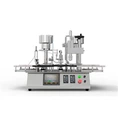
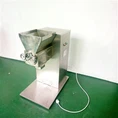
As a prominent packing machine supplier, I often receive inquiries from clients regarding the anti - corrosion performance of our packing machines. This performance is crucial as it directly affects the machine's durability, reliability, and overall cost - effectiveness over its lifespan.
Understanding Corrosion in Packing Machines
Corrosion is a natural process that occurs when metals in the packing machine react with their environment. In the context of packing machines, several factors can contribute to corrosion. Moisture is one of the most common culprits. Packing operations may involve products that contain water, or the machines may be used in humid environments. For example, in food packing, products with high water content can release moisture during the packing process. If the machine is not properly protected, this moisture can lead to the formation of rust on metal components.
Chemicals also play a significant role. Some products being packed may have acidic or alkaline properties. For instance, in the pharmaceutical industry, certain medications may be acidic. When these substances come into contact with the packing machine, they can cause chemical reactions that corrode the metal parts. Additionally, cleaning agents used to maintain the packing machines can be corrosive if not selected carefully.
Importance of Anti - Corrosion Performance
The anti - corrosion performance of a packing machine is of utmost importance. Firstly, it ensures the longevity of the machine. A machine with good anti - corrosion properties can withstand the harsh conditions of the packing environment for a longer time, reducing the need for frequent replacements. This is especially important for businesses that rely on continuous packing operations. For example, a large - scale food production company that runs its packing machines 24/7 needs equipment that can last for years without major breakdowns due to corrosion.
Secondly, it enhances the reliability of the machine. Corroded parts can lead to malfunctions, such as inaccurate filling, sealing problems, or label misplacement. In the case of Labeling Machine, corrosion on the label feeding mechanism can cause the labels to be misaligned or not fed properly. This can result in wasted products, increased costs, and damage to the company's brand reputation.
Finally, good anti - corrosion performance can lead to cost savings. While machines with better anti - corrosion protection may have a higher upfront cost, they require less maintenance and fewer replacement parts over time. This can significantly reduce the total cost of ownership for the customer.
Our Company's Approach to Anti - Corrosion
As a packing machine supplier, we have adopted several strategies to ensure the excellent anti - corrosion performance of our machines.


Material Selection
We carefully choose the materials used in the construction of our packing machines. For exposed metal parts, we often use stainless steel. Stainless steel contains chromium, which forms a passive oxide layer on the surface when exposed to oxygen. This layer prevents further oxidation and corrosion, making it highly resistant to moisture and many chemicals. For example, in our Blister Packaging Machine, the contact parts with the products are made of high - grade stainless steel to ensure they can withstand the corrosive effects of various pharmaceuticals and food products.
We also use plastic and composite materials in areas where appropriate. These materials are corrosion - resistant and can reduce the weight of the machine in some cases. For example, in the non - critical structural parts, we may use engineering plastics that have good mechanical properties and are not affected by moisture or chemicals.
Surface Treatment
Surface treatment is another important aspect of our anti - corrosion strategy. We apply various coatings to the metal parts of the machine. One common coating is powder coating. Powder coating provides a thick, durable layer on the metal surface that acts as a barrier against moisture and chemicals. It is also resistant to abrasion, which is important as the machine may come into contact with various objects during the packing process.
We also use electroplating in some cases. Electroplating deposits a thin layer of metal, such as nickel or zinc, on the surface of the base metal. This layer not only provides corrosion protection but can also improve the appearance of the machine.
Design Considerations
Our machine design also takes into account anti - corrosion factors. We ensure that the machine has proper drainage to prevent the accumulation of water. For example, in the areas where the machine is likely to get wet, such as the filling stations, we have designed channels and slopes to allow water to flow away easily.
We also minimize the use of crevices and joints where moisture and chemicals can accumulate. In the design of our Compact Aluminum - Plastic Blister Packing Machine For Tablets and Capsules, we have used smooth and seamless surfaces as much as possible to reduce the risk of corrosion.
Testing the Anti - Corrosion Performance
Before our packing machines are released to the market, we conduct rigorous anti - corrosion testing. We simulate different packing environments, including high humidity, exposure to various chemicals, and temperature variations. For example, we place the machine in a chamber with a controlled humidity level of up to 90% for a certain period to test its resistance to moisture.
We also expose the machine to different chemicals that are commonly used in the packing industry, such as acids, alkalis, and cleaning agents. We monitor the machine for any signs of corrosion, such as rust formation, discoloration, or changes in the mechanical properties of the materials. Only when the machine passes all these tests do we consider it ready for sale.
Conclusion
The anti - corrosion performance of a packing machine is a critical factor that affects its durability, reliability, and cost - effectiveness. As a packing machine supplier, we are committed to providing our customers with machines that have excellent anti - corrosion properties. Through careful material selection, surface treatment, design considerations, and rigorous testing, we ensure that our Blister Packing Machine and other products can withstand the harsh conditions of the packing environment.
If you are in the market for a high - quality packing machine with outstanding anti - corrosion performance, we invite you to contact us for a purchase consultation. Our team of experts is ready to assist you in choosing the right machine for your specific needs.
References
- Jones, D. A. (1996). Principles and Prevention of Corrosion, 2nd Edition. Prentice - Hall, Inc.
- Uhlig, H. H., & Revie, R. W. (1985). Corrosion and Corrosion Control: An Introduction to Corrosion Science and Engineering, 3rd Edition. John Wiley & Sons, Inc.
- Fontana, M. G. (1986). Corrosion Engineering, 3rd Edition. McGraw - Hill Book Company.