


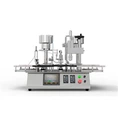
Hey there! As a supplier of labeling machines, I know how important it is to maintain high labeling accuracy. In this blog, I'll share some practical tips and insights on how to keep your labeling machine running smoothly and ensure precise labeling every time.
Understanding the Basics of Labeling Accuracy
Before we dive into the maintenance tips, let's quickly go over what labeling accuracy means. Labeling accuracy refers to how precisely a labeling machine applies labels to products. This includes factors like label placement, orientation, and alignment. If your labels are off - center, crooked, or not fully adhered, it can affect the product's appearance and even its marketability.
One of the first steps in maintaining labeling accuracy is to choose the right labeling machine for your needs. You can check out our Labeling Machine options to find the one that suits your production volume and product type.
Regular Cleaning and Inspection
Just like any other piece of machinery, a labeling machine needs regular cleaning and inspection. Dust, debris, and glue residue can accumulate over time and affect the machine's performance. Make sure to clean the labeling head, rollers, and conveyor belts regularly.
- Labeling Head: The labeling head is where the magic happens. Use a soft, lint - free cloth to wipe away any dust or glue. If there's stubborn residue, you can use a mild cleaning solution recommended by the manufacturer.
- Rollers: Check the rollers for any signs of wear or damage. Worn - out rollers can cause labels to slip or misalign. Lubricate them as per the manufacturer's instructions to keep them moving smoothly.
- Conveyor Belts: The conveyor belt transports the products through the labeling process. Clean it to remove any dirt or product particles that might interfere with the movement of the products.
Calibration
Calibration is crucial for maintaining labeling accuracy. Over time, due to vibrations, usage, or changes in environmental conditions, the machine's settings can drift. Regular calibration ensures that the machine is applying labels at the correct position and with the right tension.
- Position Calibration: Set up a test product and run it through the labeling machine. Check the label placement on the product. If it's off, adjust the position of the labeling head or the conveyor belt according to the machine's manual.
- Tension Calibration: The tension of the label roll affects how the labels are dispensed. Too much tension can cause the labels to stretch or tear, while too little tension can lead to wrinkled or misaligned labels. Adjust the tension settings until the labels are dispensed smoothly.
Quality of Labels and Products
The quality of the labels and products you're using also plays a role in labeling accuracy.
- Labels: Make sure the labels are of high - quality. They should have a smooth surface, proper adhesive, and be cut accurately. Low - quality labels can cause feeding problems and affect the overall labeling accuracy.
- Products: The surface of the products should be clean, dry, and smooth. If the product surface is rough, uneven, or dirty, the labels may not adhere properly or may not be applied accurately.
Operator Training
Well - trained operators are essential for maintaining labeling accuracy. They should know how to operate the machine correctly, perform basic maintenance tasks, and troubleshoot common problems.
- Operation Training: Provide comprehensive training on how to start, stop, and adjust the labeling machine. Teach the operators about the different settings and how to use them to achieve the desired labeling results.
- Maintenance Training: Train the operators on how to clean, lubricate, and calibrate the machine. They should also know what signs to look for when something is going wrong with the machine.
Environmental Factors
The environment in which the labeling machine operates can affect its performance.
- Temperature and Humidity: Extreme temperatures and high humidity can affect the adhesive properties of the labels. Try to keep the machine in a controlled environment with stable temperature and humidity levels.
- Dust and Dirt: As mentioned earlier, dust and dirt can accumulate on the machine and affect its performance. Keep the work area clean and consider using air filters if the environment is dusty.
Compatibility with Other Machines
If your labeling machine is part of a larger packaging line, it's important to ensure compatibility with other machines. For example, if you're using a Blister Packing Machine or a Blister Packaging Machine, the labeling machine should be synchronized with them to ensure smooth operation.
Troubleshooting Common Issues
Even with proper maintenance, you may encounter some common issues with your labeling machine. Here are a few solutions:


- Label Wrinkling: Check the tension of the label roll and the speed of the conveyor belt. Adjust them if necessary. Also, make sure the labels are properly aligned in the feeder.
- Label Misalignment: Recalibrate the position of the labeling head. Check if the products are being fed correctly onto the conveyor belt.
- Adhesion Problems: Check the adhesive on the labels and the surface of the products. Make sure the labels are stored in the right conditions and that the product surface is clean and dry.
Long - Term Maintenance Plan
Develop a long - term maintenance plan for your labeling machine. This should include a schedule for regular cleaning, calibration, and parts replacement. For example, some components like belts and rollers may need to be replaced every few months depending on the usage. You can also consider our Compact Aluminum - Plastic Blister Packing Machine For Tablets and Capsules for a more complete packaging solution.
Conclusion
Maintaining the labeling accuracy of a labeling machine requires a combination of regular cleaning, calibration, operator training, and attention to environmental factors. By following these tips, you can ensure that your labeling machine runs smoothly and applies labels accurately, which is essential for the success of your product packaging.
If you're interested in learning more about our labeling machines or need advice on maintaining labeling accuracy, feel free to reach out. We're here to help you with all your packaging needs and can guide you through the process of choosing and maintaining the right equipment for your business.
References
- General industry knowledge on labeling machine maintenance
- Manufacturer's manuals for labeling machines