


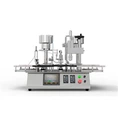
In the pharmaceutical and biotechnology industries, vial fillers play a crucial role in accurately and efficiently filling vials with various liquid medications or substances. As a reputable vial filler supplier, we understand that the proper functioning of a vial filler is highly dependent on meeting specific pneumatic requirements. In this blog post, we will delve into the key pneumatic requirements for a vial filler, exploring how they impact performance, reliability, and overall productivity.
Air Quality
One of the fundamental pneumatic requirements for a vial filler is high - quality compressed air. The air used in the vial filling process must be clean, dry, and free from contaminants such as dust, oil, and moisture. Contaminated air can lead to several issues, including clogging of pneumatic components, inaccurate filling volumes, and potential product contamination.
To ensure clean air, a proper air filtration system should be in place. This typically includes a series of filters such as pre - filters, coalescing filters, and activated carbon filters. Pre - filters are used to remove large particles, while coalescing filters are designed to separate oil and water droplets from the air. Activated carbon filters further remove any remaining odors and trace contaminants.
The moisture content in the compressed air is also a critical factor. Excess moisture can cause corrosion in pneumatic cylinders, valves, and other components, which can lead to premature failure and reduced equipment lifespan. A refrigerated air dryer or a desiccant dryer can be used to control the moisture level in the compressed air. Refrigerated dryers cool the air to condense the moisture, which is then drained out, while desiccant dryers use a desiccant material to adsorb the moisture from the air.
Air Pressure
Maintaining a stable and appropriate air pressure is essential for the proper operation of a vial filler. Different components of the vial filler, such as pneumatic cylinders, valves, and pumps, require specific air pressures to function correctly.
The air pressure requirements can vary depending on the design and size of the vial filler. Generally, the pressure for pneumatic cylinders used in the movement of vials or filling nozzles ranges from 40 to 80 psi (pounds per square inch). For valves that control the flow of liquid or air, a pressure of around 60 psi is often recommended.
A pressure regulator is used to control and stabilize the air pressure. It ensures that the pressure supplied to the various components remains within the specified range, even if there are fluctuations in the main compressed air supply. Regular monitoring of the air pressure is necessary to detect any deviations and make adjustments promptly.
Air Flow Rate
The air flow rate is another important pneumatic requirement for a vial filler. The flow rate determines how quickly the pneumatic components can operate, which directly affects the filling speed and efficiency of the machine.
The required air flow rate depends on factors such as the number of pneumatic actuators in the vial filler, the size of the cylinders, and the frequency of their operation. For example, a high - speed vial filler with multiple pneumatic cylinders operating simultaneously will require a higher air flow rate compared to a slower - paced machine.
To ensure an adequate air flow rate, the compressor capacity should be properly sized. An undersized compressor may not be able to supply enough air, leading to slow operation and reduced productivity. On the other hand, an oversized compressor can be inefficient and costly to operate. Calculating the total air consumption of all the pneumatic components in the vial filler and selecting a compressor with an appropriate capacity is crucial.
Pneumatic Components
The quality and compatibility of pneumatic components used in a vial filler are vital for meeting the pneumatic requirements. Components such as pneumatic cylinders, valves, and fittings should be carefully selected based on their performance, durability, and resistance to corrosion.
Pneumatic cylinders are responsible for the linear movement of various parts of the vial filler, such as the filling nozzles and the vial handling mechanisms. They should have a smooth and precise operation to ensure accurate filling and positioning of vials. Valves, on the other hand, control the flow of air and liquid in the system. They should be able to open and close quickly and reliably to prevent leakage and ensure proper filling volumes.
Fittings are used to connect different pneumatic components together. They should provide a secure and leak - free connection to maintain the integrity of the pneumatic system. Using high - quality fittings made from materials such as stainless steel or brass can help prevent corrosion and ensure long - term reliability.
Impact on Vial Filling Performance
Meeting the pneumatic requirements has a direct impact on the performance of the vial filler. When the air quality is high, the pneumatic components operate smoothly without the risk of clogging or damage. This results in consistent and accurate filling volumes, reducing the number of rejected vials due to under - or over - filling.


A stable air pressure and an appropriate air flow rate ensure that the vial filler can operate at its designed speed and efficiency. The pneumatic cylinders can move quickly and precisely, allowing for fast vial handling and filling. This increases the overall productivity of the filling process, enabling more vials to be filled in a given time.
In addition, proper pneumatic operation also contributes to the reliability of the vial filler. Well - maintained pneumatic components are less likely to fail, reducing downtime for maintenance and repairs. This is especially important in the pharmaceutical industry, where continuous production is often required to meet the demand for medications.
Related Equipment and Their Pneumatic Needs
Vial fillers are often part of a larger system that may include other equipment such as Capping Machine, Vial Sealing Machine, etc. These related machines also have their own pneumatic requirements.
A Capping Machine uses pneumatic actuators to place and tighten caps on the filled vials. It requires a stable air pressure to ensure that the caps are properly applied with the right amount of torque. Similarly, a vial sealing machine may use pneumatic cylinders to press the seals onto the vials, and consistent air pressure and flow rate are essential for achieving a secure seal.
When integrating a vial filler with these related machines, it is important to ensure that the overall pneumatic system can supply sufficient air to all the components while maintaining the required air quality, pressure, and flow rate.
Considerations for Different Vial Filling Processes
There are different types of vial filling processes, such as volumetric filling, time - pressure filling, and peristaltic filling, each with its own specific pneumatic requirements.
In volumetric filling, where a fixed volume of liquid is dispensed into each vial, the pneumatic system is used to control the movement of the filling piston. The air pressure and flow rate need to be calibrated precisely to ensure accurate volume measurement. Any fluctuations in the pneumatic parameters can result in inconsistent filling volumes.
Time - pressure filling relies on applying a constant pressure to the liquid for a specific period of time to dispense the required amount of liquid. The stability of the air pressure during the filling process is crucial for accurate filling. If the pressure drops or fluctuates, the filling volume may be affected.
Peristaltic filling uses a peristaltic pump, and the pneumatic system may be used for ancillary functions such as vial indexing or pump priming. The pneumatic requirements for peristaltic filling are mainly related to the proper operation of these supporting functions.
Conclusion
As a vial filler supplier, we recognize that meeting the pneumatic requirements is essential for the optimal performance of our vial fillers. From ensuring high - quality compressed air to maintaining the right air pressure, flow rate, and using reliable pneumatic components, every aspect of the pneumatic system plays a crucial role in the filling process.
If you are in the market for a vial filler or need to upgrade your existing equipment, we are here to help. Our team of experts can assist you in selecting the right vial filler and ensuring that all the pneumatic requirements are met for your specific application. We also offer comprehensive after - sales support to keep your vial filling process running smoothly. Contact us for more information and to discuss your procurement needs.
References
- ASHRAE Handbook - HVAC Systems and Equipment, American Society of Heating, Refrigerating and Air - Conditioning Engineers.
- Pneumatic Systems Handbook, Parker Hannifin Corporation.
- Pharmaceutical Packaging Technology, edited by Wilfried A. Jenke.