


What are the differences between small and large China granulators?
As a provider of China granulators, I have had the privilege of witnessing the diverse applications and unique characteristics of both small and large granulators in the market. In this article, I'll delve into the key differences between these two types of granulators, which can assist in making an informed decision when choosing the right equipment for your specific requirements.
1. Size and Structure
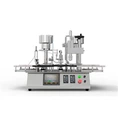
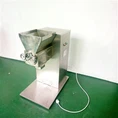
One of the most obvious differences between small and large China granulators is their physical size. Small granulators are designed with a more compact structure, taking up minimal floor - space in a production facility. They are often suitable for small - scale laboratories, start - up businesses, or workshops with limited space. For example, a small granulator may have dimensions that allow it to be placed on a standard workbench, making it highly portable and easy to relocate.
On the other hand, large granulators are massive in size. They are built with a more robust and extensive structure to handle high - volume production. These machines are usually installed in large industrial plants. The large hoppers, conveyors, and powerful motor units of large granulators contribute to their imposing physical presence. The heavy - duty frames and large - scale components are designed to withstand continuous long - term operation under high - stress conditions.
2. Production Capacity
Production capacity is a crucial factor that sets small and large granulators apart. Small granulators typically have a relatively low production output. They can process materials at a rate ranging from a few kilograms to perhaps a hundred kilograms per hour, depending on the specific model and the nature of the materials being granulated. This makes them ideal for small - batch production, research and development projects, or for producing specialty products where only a limited quantity is required.
In contrast, large China granulators are engineered for high - volume production. They can process several tons of materials per hour, meeting the demands of large - scale manufacturing operations. For industries such as food processing, chemical production, and plastic recycling, large granulators ensure a continuous and efficient supply of granulated products to meet market needs. The high production capacity of large granulators also allows for economies of scale, reducing the per - unit production cost.
3. Power Consumption
Power consumption is directly related to the size and production capacity of granulators. Small granulators generally consume less power. Their smaller motors and less complex operating systems require a lower electrical input. This not only reduces energy costs but also makes them more suitable for locations with limited power supply. The lower power consumption also means less heat generation, which can be beneficial for heat - sensitive materials.
Large granulators, due to their high - capacity operations and powerful motors, consume a significant amount of electricity. They are often connected to high - voltage electrical systems to ensure stable operation. The high power demand is necessary to drive the large - scale components and to handle the large volume of materials being processed. However, modern large granulators are being designed with energy - saving features to optimize power consumption and reduce operational costs over the long term.
4. Material Compatibility
Both small and large China granulators can handle a wide range of materials, but there are some differences in their material compatibility. Small granulators are more flexible when it comes to processing small quantities of various materials. They are often used for processing delicate or expensive materials in small batches, such as pharmaceutical powders or high - end food ingredients. The smaller processing chambers and more precise control systems of small granulators allow for better handling of these materials without significant waste.
Large granulators are better suited for processing large volumes of common materials. They are commonly used in industries like plastics, where large quantities of plastic waste need to be recycled into granules. The large - scale processing capabilities of these machines can handle tough materials and large - sized feedstock. However, they may not be as precise as small granulators when dealing with very fine or heat - sensitive materials, as the high - speed and large - scale processing can sometimes cause over - heating or material degradation.
5. Cost
The cost difference between small and large China granulators is significant. Small granulators are generally more affordable in terms of both the initial purchase price and installation costs. They are a great option for businesses with limited budgets or those looking to test the granulation process on a small scale before investing in larger equipment. The lower maintenance costs of small granulators also make them an attractive choice for small - scale operations.
Large granulators are a major capital investment. The high cost is due to their complex design, large - scale components, and high - capacity capabilities. In addition to the purchase price, the installation of large granulators may require significant infrastructure modifications, such as reinforced floors and dedicated electrical systems. However, for large - scale industrial operations, the return on investment can be substantial due to the high production capacity and long - term cost savings through economies of scale.
6. Automation and Control
Automation and control features vary between small and large granulators. Small granulators often have simpler control systems, with basic functions such as start/stop, speed adjustment, and temperature control. These systems are easy to operate and do not require extensive training. They are suitable for small - scale operations where manual oversight is more feasible.
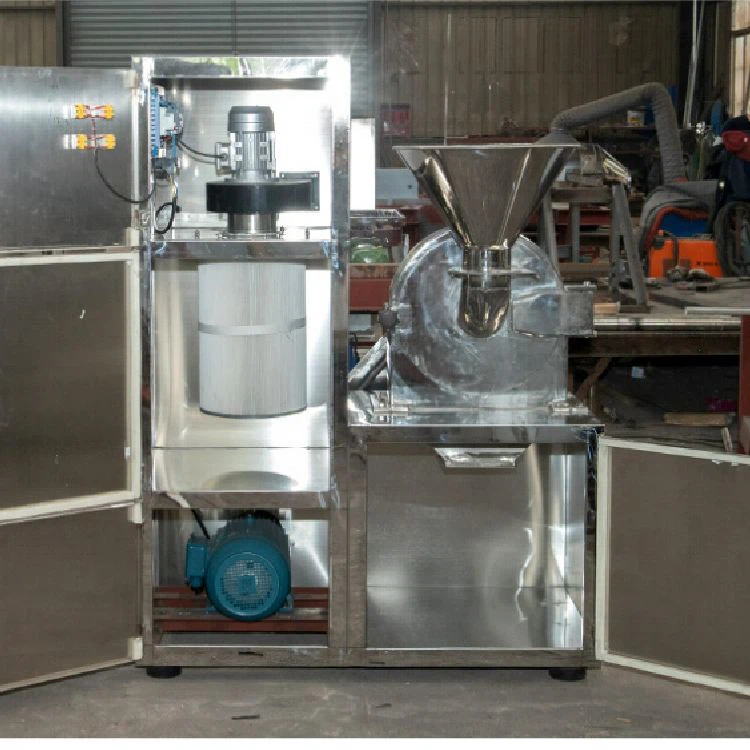
Large granulators are usually equipped with advanced automation and control systems. These systems can monitor and regulate various parameters such as feed rate, granule size, temperature, and moisture content in real - time. The automation allows for continuous and consistent production, reducing the need for manual intervention. Additionally, large granulators can be integrated into larger production lines, enabling seamless communication with other equipment such as Pulverizer, Pulverizer Machine, and Industrial Mixers.
Conclusion
In conclusion, the differences between small and large China granulators are multi - faceted, covering aspects such as size, production capacity, power consumption, material compatibility, cost, and automation. When choosing a granulator, it is essential to consider your specific production needs, budget, and available resources. Whether you are a small - scale business looking for a cost - effective solution or a large industrial enterprise in need of high - volume production, there is a suitable granulator for you.
If you are interested in learning more about our China granulators or have specific requirements for your production process, we welcome you to contact us for further discussion and procurement negotiation. Our team of experts is ready to provide you with detailed information and customized solutions.

References
- Smith, J. (2022). Granulation Technology in Industrial Production. Industrial Press.
- Brown, A. (2021). Advances in Granulator Design and Performance. Manufacturing Journal.