


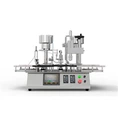
Maintaining the capping quality of a capping machine is crucial for any business that relies on proper sealing of products. As a capping machine supplier, I understand the importance of ensuring that our machines consistently deliver high - quality capping results. In this blog, I will share some key strategies and best practices on how to maintain the capping quality of a capping machine.
1. Regular Machine Inspection
Regular inspection is the first step in maintaining capping quality. Before starting the production process each day, a thorough visual inspection of the capping machine should be carried out. Check for any signs of wear and tear on the capping heads, conveyor belts, and other moving parts. Loose or damaged components can lead to inconsistent capping force, resulting in poorly sealed caps.
For example, if the capping head has worn - out grippers, it may not be able to hold the cap securely during the capping process. This can cause the cap to be misaligned or not tightened properly. Inspect the tooling for any signs of chipping or cracking, as these can also affect the capping quality.
In addition to visual inspection, perform a test run with a few sample vials or containers. Observe the capping process carefully and check for any issues such as caps being overly tight or loose, or caps being placed at an incorrect angle. Based on the results of the test run, make necessary adjustments to the machine settings.
2. Calibration and Adjustment
Proper calibration of the capping machine is essential for achieving consistent capping quality. The capping torque, which is the amount of force applied to tighten the cap, needs to be accurately calibrated. This can be done using a torque tester.
Set the capping torque according to the specific requirements of the product and the type of cap being used. Different caps may require different levels of torque for a proper seal. For instance, plastic caps may need a lower torque compared to metal caps.
Adjust the height and position of the capping head to ensure that it aligns correctly with the containers. If the capping head is too high or too low, it can result in uneven capping or caps not being fully seated. The conveyor belt speed also plays a role in capping quality. A speed that is too fast may not allow enough time for the cap to be properly tightened, while a speed that is too slow can reduce production efficiency.
3. Cleaning and Lubrication
A clean and well - lubricated capping machine is more likely to maintain high - quality capping. Over time, dust, debris, and product residue can accumulate on the machine components, affecting their performance. Regular cleaning of the capping heads, conveyor belts, and other parts is necessary.
Use a mild cleaning solution and a soft brush to clean the machine. Avoid using abrasive materials that could damage the machine's surface. After cleaning, dry the components thoroughly to prevent corrosion.
Lubrication is also important to keep the moving parts of the capping machine functioning smoothly. Refer to the machine's manual for the recommended lubricants and lubrication intervals. Apply the lubricant to the appropriate parts, such as bearings and gears, in the correct amounts. Over - lubrication can attract dirt and debris, while under - lubrication can cause excessive wear and tear.
4. Quality of Caps and Containers
The quality of the caps and containers used with the capping machine can significantly impact capping quality. Ensure that the caps are of the correct size and shape for the containers. Caps that are too big or too small may not fit properly, leading to poor seals.
Inspect the caps for any defects, such as cracks or deformation. Defective caps should not be used in the capping process. Similarly, the containers should also be of high quality. They should have a smooth and even surface where the cap will be seated. Any irregularities in the container's neck can prevent the cap from being tightened correctly.
When purchasing caps and containers, work with reliable suppliers. Conduct incoming inspections to verify the quality of the materials. This will help prevent capping issues caused by substandard components.
5. Operator Training
Well - trained operators are essential for maintaining the capping quality of a capping machine. Provide comprehensive training to the operators on how to use the machine correctly. They should be familiar with the machine's functions, settings, and safety procedures.
Training should include how to perform daily inspections, calibrate the machine, and troubleshoot common capping problems. Operators should also be trained on how to handle different types of caps and containers to ensure proper capping.
Encourage operators to report any issues or changes in the capping quality immediately. This will allow for timely corrective actions to be taken, minimizing the production of defective products.
6. Preventive Maintenance
Implement a preventive maintenance program for the capping machine. This program should include regular servicing of the machine by qualified technicians. The technicians can perform more in - depth inspections, replace worn - out parts, and make any necessary repairs.
Create a maintenance schedule based on the machine's usage and the manufacturer's recommendations. This may include monthly, quarterly, and annual maintenance tasks. For example, during a monthly maintenance check, the technician can inspect the electrical components of the machine, while during an annual maintenance, major components may be disassembled and thoroughly cleaned and inspected.
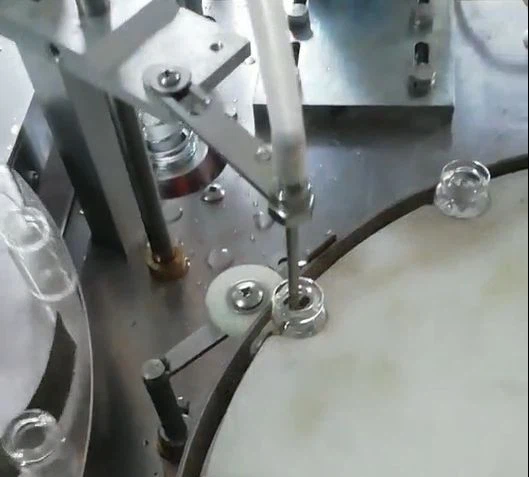

By following a preventive maintenance program, you can identify and address potential problems before they lead to significant capping quality issues or machine breakdowns.
7. Monitoring and Data Analysis
Set up a system to monitor the capping quality over time. This can involve collecting data on capping torque, cap tightness, and the number of defective caps produced. Analyze this data regularly to identify trends and patterns.
For example, if you notice a gradual increase in the number of loose caps over a period of time, it could indicate a problem with the capping machine's calibration or a worn - out component. By analyzing the data, you can take proactive steps to address the issue before it affects a large number of products.
Use statistical process control (SPC) techniques to monitor the capping process. This can help you determine if the process is in control and if any adjustments need to be made.
Conclusion
Maintaining the capping quality of a capping machine requires a comprehensive approach that includes regular inspection, calibration, cleaning, using high - quality components, training operators, preventive maintenance, and monitoring. By implementing these strategies, you can ensure that your capping machine consistently produces high - quality seals, reducing product waste and improving customer satisfaction.
If you are in the market for a reliable capping machine, we are here to help. We offer a wide range of Capping Machine that can meet your specific needs. Our Vial Capping Machine is designed for precision and efficiency, and can be integrated with our Vial Filling Machine for a complete packaging solution. Contact us to start a procurement discussion and find the best capping machine for your business.
References
- "Capping Machine Operation and Maintenance Guide" - Industry - specific handbook
- "Quality Control in Packaging Processes" - Academic research paper on packaging quality
- Manufacturer's manuals for capping machines and related components