


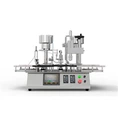
Calibrating an ampoule filler is a critical process that ensures the accurate and consistent filling of ampoules with liquid medications, chemicals, or other substances. As a reputable Ampoule filler supplier, we understand the importance of proper calibration to maintain the quality and reliability of your filling operations. In this blog, we will walk you through the step-by-step process of calibrating an ampoule filler, along with some useful tips to help you achieve optimal results.
Understanding the Importance of Calibration
Before diving into the calibration process, it's essential to understand why calibration is so crucial for ampoule filling machines. The primary goal of an ampoule filler is to dispense a precise volume of liquid into each ampoule. Any deviation from the desired fill volume can lead to inaccurate dosing, which can have serious consequences, especially in the pharmaceutical industry. Calibration helps to:
- Ensure product quality and consistency: By accurately measuring and adjusting the fill volume, calibration helps to maintain uniform dosing across all ampoules, reducing the risk of under or overfilling.
- Meet regulatory requirements: In industries such as pharmaceuticals and healthcare, strict regulations govern the accuracy of dosing. Proper calibration ensures that your filling process complies with these regulations, avoiding potential legal issues.
- Improve production efficiency: A well-calibrated ampoule filler operates more smoothly and efficiently, reducing downtime and waste. This can lead to significant cost savings in the long run.
Step-by-Step Guide to Calibrating an Ampoule Filler
Step 1: Preparation
- Gather the necessary tools and materials: You will need a calibrated measuring device, such as a pipette or a volumetric flask, to measure the fill volume accurately. Additionally, have a clean, dry container to collect the dispensed liquid.
- Review the manufacturer's instructions: Every ampoule filler is different, so it's important to refer to the user manual for specific calibration instructions. Familiarize yourself with the machine's controls, settings, and adjustment mechanisms.
- Clean and sanitize the filler: Before starting the calibration process, thoroughly clean and sanitize the ampoule filler to remove any residual product or contaminants. This helps to ensure accurate measurements and prevent cross-contamination.
Step 2: Set the Initial Parameters
- Turn on the ampoule filler and allow it to warm up: Most machines require a few minutes to reach their optimal operating temperature. Once the machine is warm, you can proceed with the calibration.
- Set the desired fill volume: Using the machine's control panel or software, enter the desired fill volume for the ampoules. Make sure to set the volume based on the specifications of your product.
- Adjust the filling speed: The filling speed can affect the accuracy of the fill volume. Set the filling speed to a moderate level to allow for precise filling.
Step 3: Perform a Test Run
- Fill a few ampoules with the liquid product: Start the filling process and fill a small batch of ampoules. Make sure to collect the dispensed liquid in the clean container for measurement.
- Measure the fill volume: Using the calibrated measuring device, carefully measure the volume of liquid in each ampoule. Record the measurements for each ampoule.
- Calculate the average fill volume: Add up the fill volumes of all the ampoules and divide by the number of ampoules to calculate the average fill volume. Compare the average fill volume to the desired fill volume.
Step 4: Make Adjustments
- If the average fill volume is too high or too low, make the necessary adjustments: Most ampoule fillers have adjustable settings, such as the fill time, stroke length, or pressure, that can be used to adjust the fill volume. Refer to the manufacturer's instructions for specific adjustment procedures.
- Make small adjustments and repeat the test run: After making an adjustment, fill another batch of ampoules and measure the fill volume again. Repeat this process until the average fill volume is within the acceptable tolerance range.
Step 5: Validate the Calibration
- Once you have achieved the desired fill volume, perform a final validation test: Fill a larger batch of ampoules and measure the fill volume of each ampoule. Calculate the average fill volume and check that it is within the acceptable tolerance range.
- Document the calibration process: Record the calibration results, including the date, time, initial settings, adjustments made, and final validation results. This documentation is important for quality control and regulatory compliance.
Tips for Calibrating an Ampoule Filler
- Use high-quality measuring devices: To ensure accurate measurements, use calibrated measuring devices that are appropriate for the volume of liquid being measured.
- Perform regular maintenance: Regular maintenance of the ampoule filler, including cleaning, lubrication, and inspection, helps to ensure its proper functioning and accuracy.
- Train your operators: Proper training of operators is essential for accurate calibration and operation of the ampoule filler. Make sure your operators are familiar with the machine's controls, settings, and calibration procedures.
- Monitor the filling process: Continuously monitor the filling process to detect any issues or deviations from the desired fill volume. If necessary, make adjustments to maintain accurate filling.
Conclusion
Calibrating an ampoule filler is a crucial process that ensures the accurate and consistent filling of ampoules. By following the step-by-step guide and tips outlined in this blog, you can achieve optimal calibration results and maintain the quality and reliability of your filling operations. At [Our Company], we are committed to providing high-quality Ampoule Filler and Ampoule Machine solutions, along with expert support to help you with calibration and other aspects of your filling process. If you have any questions or need assistance with calibrating your ampoule filler, or if you are interested in purchasing an ampoule filler or Ampoule Sealer, please feel free to contact us. We look forward to working with you to meet your filling needs.


References
- Manufacturer's user manuals for ampoule fillers
- Industry standards and regulations for ampoule filling
- Textbooks and publications on pharmaceutical manufacturing and packaging