


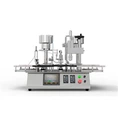
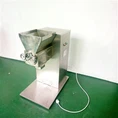
When it comes to small - batch production, choosing the right packing machine is crucial for businesses. As a packing machine supplier, I understand the unique challenges and requirements that small - batch producers face. In this blog, I'll share some key considerations to help you make an informed decision when selecting a packing machine for your small - batch operations.
1. Production Volume and Speed
The first factor to consider is your production volume. Small - batch production typically means lower quantities compared to large - scale manufacturing. You need to determine how many products you plan to pack per hour, day, or week. This will help you choose a machine with an appropriate speed.
For instance, if you're producing a few hundred units a day, a semi - automatic packing machine might be sufficient. Semi - automatic machines require some manual intervention, such as placing products into the machine or removing the packed items. They are generally more affordable and can handle lower production volumes effectively.
On the other hand, if you anticipate a gradual increase in production or need to meet higher demands in the future, a fully automatic packing machine could be a better choice. These machines can operate continuously with minimal human input, offering higher speeds and greater efficiency. However, they usually come with a higher price tag.
2. Product Characteristics
The nature of your product plays a significant role in choosing the right packing machine. Different products have different shapes, sizes, weights, and fragility levels.
- Shape and Size: Irregularly shaped products may require specialized packing machines. For example, if you're packing bottles, a Bottle Labeling Machine can be a great addition to your packing line. It can accurately apply labels to bottles of various shapes and sizes, ensuring a professional and consistent look.
- Weight: Heavy products may need a packing machine with a robust construction and a high - capacity conveyor system. Lighter products, on the other hand, can be handled by more lightweight machines.
- Fragility: Fragile items need gentle handling during the packing process. Machines with soft - touch mechanisms or cushioning features can prevent damage to delicate products.
3. Packaging Material
The type of packaging material you use is another important consideration. Common packaging materials include plastic, paper, glass, and metal.
- Plastic: Plastic packaging is widely used due to its versatility and cost - effectiveness. If you're using plastic films for wrapping products, a horizontal form - fill - seal machine can be a good option. It can form the plastic film into a pouch, fill it with the product, and then seal it.
- Blister Packs: For products that require individual protection, such as pharmaceuticals or small electronic components, a Blister Packaging Machine or Blister Packing Machine is ideal. These machines create a plastic blister that holds the product securely and can be sealed with a backing card.
- Paper and Cardboard: If you're using paper boxes or cartons for packaging, a cartoning machine can automate the process of erecting, filling, and sealing the boxes.
4. Flexibility and Customization
In small - batch production, you may need to pack different products or change the packaging design frequently. Therefore, it's important to choose a packing machine that offers flexibility and customization options.
- Product Changeover: Look for a machine that allows for easy and quick product changeover. This means you can switch from packing one product to another with minimal downtime. Machines with adjustable settings for product size, speed, and packaging parameters are more flexible.
- Customizable Packaging: Some packing machines can be configured to create unique packaging designs. For example, you may want to add custom labels, logos, or branding elements to your packaging. A machine that supports customization can help you create a distinctive look for your products.
5. Budget
Budget is always a major consideration for small - batch producers. You need to balance the cost of the packing machine with its features and capabilities.
- Initial Investment: Fully automatic machines are generally more expensive than semi - automatic ones. However, they can offer long - term cost savings through increased efficiency and reduced labor costs. Consider your financial situation and your production goals when making a decision.
- Operating Costs: In addition to the initial purchase price, you also need to consider the operating costs of the machine. This includes energy consumption, maintenance, and the cost of packaging materials. Look for a machine that is energy - efficient and has low maintenance requirements.
6. Ease of Use and Maintenance
A packing machine that is easy to use and maintain can save you time and money in the long run.
- User - Friendly Interface: Machines with intuitive control panels and easy - to - understand instructions are easier for your operators to learn and operate. This reduces the training time and the risk of operator errors.
- Maintenance Requirements: Regular maintenance is essential to keep your packing machine in good working condition. Look for a machine that has accessible parts and clear maintenance guidelines. Some machines come with self - diagnostic features that can help you identify and troubleshoot problems quickly.
7. Supplier Support
As a packing machine supplier, I know that reliable supplier support is crucial. When choosing a packing machine, consider the following aspects of supplier support:
- Technical Support: A supplier that offers prompt and knowledgeable technical support can help you resolve any issues that may arise during the operation of the machine. This includes phone support, on - site service, and remote troubleshooting.
- Spare Parts Availability: Ensure that the supplier has a good supply of spare parts for your machine. This will minimize downtime in case of a breakdown.
- Training and Installation: A supplier that provides training for your operators and professional installation services can ensure that your machine is set up correctly and that your staff knows how to use it effectively.
In conclusion, choosing the right packing machine for small - batch production requires careful consideration of your production volume, product characteristics, packaging material, flexibility, budget, ease of use, and supplier support. By taking these factors into account, you can select a machine that meets your specific needs and helps you achieve your production goals.


If you're in the process of choosing a packing machine for your small - batch production, I encourage you to reach out to us. Our team of experts can provide you with detailed information about our range of packing machines and help you find the perfect solution for your business. Let's start a conversation about your packing needs and explore how we can assist you in optimizing your production process.
References
- Packaging Machinery Manufacturers Institute (PMMI). (2023). Guide to Selecting Packaging Machinery.
- Smith, J. (2022). Small - Batch Production: Best Practices for Packing. Journal of Packaging Technology, 15(2), 45 - 52.