


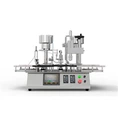
As a reliable ampoule sealer supplier, I understand the critical importance of achieving high sealing strength in ampoule sealing processes. A strong seal not only ensures the integrity and sterility of the product inside the ampoule but also enhances its shelf - life and overall quality. In this blog, I will share several effective strategies to increase the sealing strength of an ampoule sealer.
1. Optimize the Heating Process
The heating process is a fundamental factor in ampoule sealing. Different types of ampoule materials, such as glass, require specific heating temperatures and durations to achieve an optimal seal. For glass ampoules, the heating source needs to be carefully calibrated to melt the glass at the sealing point without causing excessive damage or deformation.
- Temperature Control: Precise temperature control is essential. Modern ampoule sealers are equipped with advanced temperature sensors and controllers. By setting the appropriate temperature range according to the glass type and ampoule size, we can ensure that the glass reaches its melting point evenly. For example, borosilicate glass, which is commonly used in ampoules, typically requires a higher melting temperature compared to soda - lime glass. Regularly calibrating the temperature sensors can prevent temperature fluctuations that may lead to weak seals.
- Heating Time: The duration of heating also plays a crucial role. If the heating time is too short, the glass may not melt sufficiently, resulting in a poor seal. On the other hand, over - heating can cause the glass to become too fluid, leading to uneven seals or even breakage. Through extensive testing and process optimization, we can determine the ideal heating time for each specific ampoule configuration.
2. Ensure Proper Ampoule Preparation
Proper preparation of the ampoules before sealing is vital for achieving strong seals.
- Cleanliness: Ampoules must be thoroughly cleaned to remove any contaminants, such as dust, particles, or residues. Even small amounts of impurities can interfere with the sealing process and weaken the bond. Using a high - quality cleaning system, such as ultrasonic cleaning, can effectively remove contaminants from the ampoule surfaces.
- Ampoule Alignment: Correct alignment of the ampoules in the sealer is necessary. Misaligned ampoules may not receive uniform heating, leading to inconsistent seals. Our ampoule sealers are designed with precise alignment mechanisms to ensure that each ampoule is positioned accurately during the sealing process. This helps to distribute the heat evenly and create a strong, consistent seal around the entire circumference of the ampoule neck.
3. Select the Right Sealing Method
There are different sealing methods available for ampoules, and choosing the most suitable one can significantly impact the sealing strength.


- Flame Sealing: Flame sealing is a traditional and widely used method. It involves using a high - temperature flame to melt the glass at the sealing point. The key to achieving a strong flame - sealed ampoule is to control the flame intensity, shape, and movement. A well - controlled flame can create a smooth, hermetic seal. Our flame - sealing ampoule sealers are designed with adjustable flame parameters to meet the specific requirements of different ampoule applications.
- Laser Sealing: Laser sealing is a more advanced technology that offers several advantages, including high precision and reduced heat - affected zones. Lasers can be focused precisely on the sealing area, providing a clean and strong seal. Laser - sealed ampoules often have better cosmetic appearance and higher sealing strength compared to those sealed by other methods. We offer ampoule sealers with state - of - the - art laser - sealing technology, which can be customized according to the customer's needs.
4. Maintain the Sealer Regularly
Regular maintenance of the ampoule sealer is essential to ensure its optimal performance and consistent sealing strength.
- Component Inspection: Regularly inspecting the key components of the sealer, such as heating elements, sensors, and mechanical parts, can help identify and replace any worn - out or damaged parts. For example, a faulty heating element may not provide sufficient heat, resulting in weak seals. By replacing the heating element in a timely manner, we can maintain the sealing quality.
- Lubrication: Proper lubrication of the moving parts in the sealer can reduce friction and ensure smooth operation. This is especially important for the conveyor belts and clamping mechanisms, which are responsible for transporting and holding the ampoules during the sealing process. Regular lubrication can prevent mechanical failures and ensure that the ampoules are sealed correctly.
5. Conduct Quality Control Tests
Implementing a comprehensive quality control system is crucial for ensuring high sealing strength.
- Leak Testing: Regularly performing leak tests on the sealed ampoules can help detect any weak seals. There are several methods for leak testing, such as the dye - ingress test, pressure - decay test, and helium - mass - spectrometry test. By conducting these tests at different stages of the production process, we can identify and reject any ampoules with defective seals, ensuring that only high - quality products are delivered to the customers.
- Visual Inspection: Visual inspection is also an important part of the quality control process. Trained operators can visually examine the sealed ampoules for any signs of irregularities, such as cracks, uneven seals, or foreign objects. This can help catch any obvious defects before the products are packaged and shipped.
6. Staff Training
Well - trained staff is essential for operating the ampoule sealer effectively and achieving high sealing strength.
- Technical Training: Providing technical training to the operators on the proper use and maintenance of the ampoule sealer is crucial. They should be familiar with the machine's functions, operating procedures, and safety precautions. Training on troubleshooting common problems can also help minimize downtime and ensure continuous production.
- Quality Awareness Training: Training the staff on the importance of sealing quality and the impact of weak seals on product safety and performance can enhance their attention to detail. When operators understand the significance of their work, they are more likely to take the necessary steps to ensure high - quality seals.
Conclusion
Increasing the sealing strength of an ampoule sealer requires a comprehensive approach that includes optimizing the heating process, ensuring proper ampoule preparation, selecting the right sealing method, maintaining the sealer regularly, conducting quality control tests, and providing staff training. As an ampoule sealer supplier, we are committed to providing high - quality sealing solutions that meet the diverse needs of our customers.
If you are in the market for an Ampoule Filler or Ampoule Filling Machine, or if you want to improve the sealing strength of your existing ampoule sealing process, please feel free to contact us. We have a team of experts who can provide you with professional advice and customized solutions. Our Ampoule Filler is designed to work seamlessly with our ampoule sealers, ensuring efficient and high - quality production. Let's work together to achieve the best results for your ampoule sealing needs.
References
- "Handbook of Pharmaceutical Manufacturing Formulations: Liquid Products" by Sarfaraz N. Khadka.
- "Glass Packaging Technology" by W. H. Dumbleton.
- Technical documents and research papers from leading ampoule sealer manufacturers.