


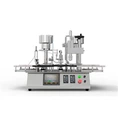
Hey there! I'm a supplier of monoblock machines, and today I wanna talk about the software used for these awesome pieces of equipment. Monoblock machines are pretty cool because they combine multiple functions like filling, capping, and labeling all in one unit. This integration makes them super efficient for various industries, from pharmaceuticals to food and beverage.

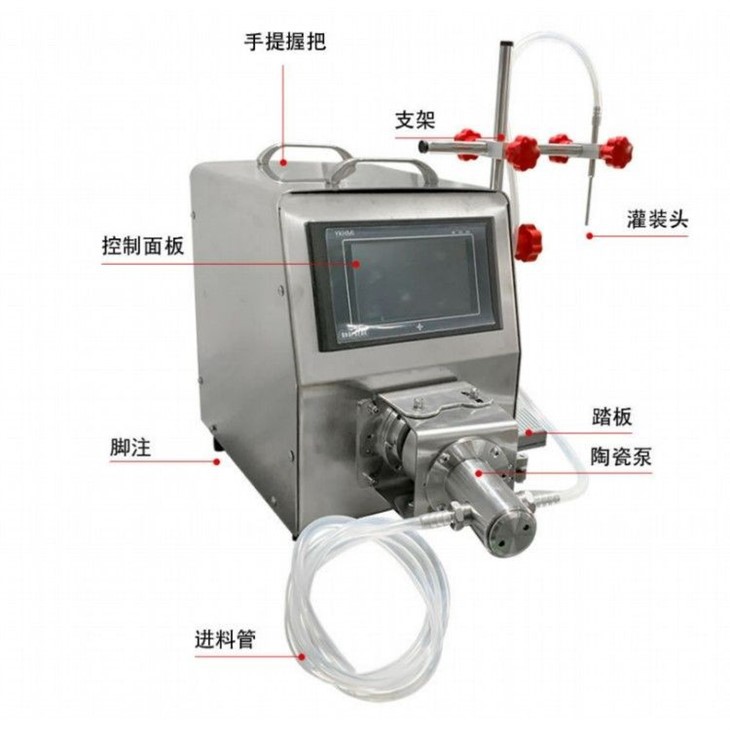
First off, let's understand the importance of software in a monoblock machine. The software is like the brain of the machine. It controls all the operations, ensuring that everything runs smoothly and accurately. Without the right software, a monoblock machine would just be a bunch of mechanical parts that can't work together effectively.
One of the most commonly used types of software for monoblock machines is the Programmable Logic Controller (PLC) software. PLCs are widely used in industrial automation, and for good reason. They're reliable, easy to program, and can handle a wide range of input and output signals. With PLC software, you can control the speed of the filling process, the torque of the capping mechanism, and the position of the labeling head. It allows for precise control and adjustment of the machine's parameters, which is crucial for maintaining product quality and consistency.
For example, in a Monoblock Filler, the PLC software can monitor the liquid level in the filling tank and adjust the filling volume accordingly. It can also detect any blockages or malfunctions in the filling nozzles and stop the machine to prevent product waste. This kind of real - time monitoring and control is what makes PLC software so valuable in monoblock machines.
Another important type of software is the Human - Machine Interface (HMI) software. The HMI is the interface between the operator and the machine. It provides a graphical display of the machine's status, allowing the operator to easily monitor and control the machine. With HMI software, the operator can set the production parameters, start and stop the machine, and view error messages. It's designed to be user - friendly, even for those with limited technical knowledge.
For instance, an operator can use the HMI to change the filling speed of a Monoblock Machine with just a few clicks on a touchscreen. The software can also display the production statistics, such as the number of filled containers, the production rate, and the downtime. This information helps the operator to manage the production process more efficiently and make informed decisions.
In the pharmaceutical industry, where precision and compliance are of utmost importance, specialized software is often used. For example, in an Eye Drop Filling Machine, the software needs to ensure that the filling volume is accurate to within a very small margin of error. It also has to comply with strict regulatory requirements, such as Good Manufacturing Practice (GMP).
The software used in these machines may include features like batch tracking, which allows for the traceability of each batch of products. It can record information such as the date and time of production, the raw materials used, and the production parameters. This information is essential for quality control and regulatory compliance.
Some monoblock machines also use software for remote monitoring and maintenance. With the advancement of Internet of Things (IoT) technology, it's now possible to connect the machine to the internet and monitor its performance from anywhere in the world. This means that technicians can diagnose problems and perform software updates remotely, reducing the downtime of the machine.
For example, if a monoblock machine in a factory in another country starts to show signs of a problem, the supplier can access the machine's software remotely and analyze the data. They can then provide instructions to the local operator on how to fix the issue or schedule a maintenance visit if necessary. This kind of remote support can save a lot of time and money for the end - user.
When it comes to choosing the software for a monoblock machine, there are several factors to consider. First, the software needs to be compatible with the hardware of the machine. It should be able to communicate effectively with all the sensors, actuators, and other components of the machine. Second, the software should be easy to use and maintain. Operators should be able to learn how to use it quickly, and technicians should be able to troubleshoot and update it without too much hassle.
Third, the software should be scalable. As the production volume of the factory increases, the software should be able to handle the additional load without any performance issues. It should also be able to support new features and functions as the business grows.
In conclusion, the software used in monoblock machines plays a vital role in their performance and efficiency. Whether it's the PLC software for precise control, the HMI software for user - friendly operation, or the specialized software for compliance and remote monitoring, each type of software has its own unique benefits.
If you're in the market for a monoblock machine or looking to upgrade the software of your existing machine, I'd love to have a chat with you. We can discuss your specific requirements and find the best software solution for your needs. Don't hesitate to reach out and start the conversation about how we can improve your production process with our monoblock machines.
References
- Industrial Automation Handbook
- Pharmaceutical Manufacturing Technology Journals