


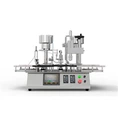
In the dynamic landscape of industrial manufacturing, filling machines play a pivotal role in ensuring the efficient and accurate packaging of various products. As a trusted filling machine supplier, we understand the paramount importance of safety features in these machines. This blog will delve into the essential safety features that a filling machine should possess, highlighting their significance in protecting operators, preventing accidents, and ensuring regulatory compliance.
Emergency Stop Buttons
One of the most fundamental safety features in any filling machine is the emergency stop button. These buttons are strategically placed in easily accessible locations around the machine, allowing operators to quickly halt the machine's operation in case of an emergency. In the event of a malfunction, a spill, or a threat to operator safety, a simple press of the emergency stop button can immediately shut down the machine, preventing further damage or injury. It is crucial that these buttons are clearly labeled and maintained in good working condition at all times.
Safety Guards and Enclosures
Safety guards and enclosures are designed to protect operators from moving parts, hot surfaces, and other potential hazards within the filling machine. These physical barriers are typically made of durable materials such as metal or polycarbonate and are securely fastened to the machine. They prevent operators from accidentally coming into contact with dangerous components, reducing the risk of entanglement, cuts, and burns. Additionally, safety guards often have interlock switches that automatically shut down the machine when the guard is opened, ensuring that maintenance or cleaning can only be performed when the machine is safely powered off.
Overload Protection
Filling machines are often subjected to high levels of stress and pressure during operation. Overload protection mechanisms are essential to prevent damage to the machine and ensure its long - term reliability. These mechanisms can detect when the machine is operating beyond its designed capacity, such as when there is excessive torque on a motor or an abnormal increase in pressure in a hydraulic system. Once an overload is detected, the machine will automatically shut down or adjust its operation to prevent further damage. This not only protects the machine but also reduces the risk of breakdowns and costly repairs.
Leak Detection Systems
In the case of liquid filling machines, leak detection systems are of utmost importance. Leaks can not only lead to product waste but also pose a safety hazard, especially if the liquid being filled is hazardous or flammable. A good leak detection system can continuously monitor the filling process and detect any signs of leakage. This can be achieved through various methods, such as pressure sensors, flow meters, or optical sensors. When a leak is detected, the machine can be programmed to stop the filling process, alert the operator, and isolate the affected area to prevent further spread of the liquid.
Automatic Shut - off for Empty Containers
To prevent damage to the filling machine and ensure accurate filling, automatic shut - off for empty containers is a valuable safety feature. This feature ensures that the filling nozzle stops dispensing product when there is no container present or when the container is not properly positioned. By preventing the machine from overfilling or dispensing product into an empty space, it reduces the risk of spills, clogs, and damage to the filling mechanism.
Safety Interlocks for Conveyor Systems
Many filling machines are integrated with conveyor systems to transport containers to and from the filling station. Safety interlocks for these conveyor systems are essential to prevent accidents. For example, if the conveyor belt jams or there is an obstruction in the path of the containers, the interlock system can automatically stop the conveyor and the filling machine to prevent damage to the containers and the machine. It can also prevent operators from getting their hands or clothing caught in the moving conveyor parts.
Anti - static Protection
In some industries, such as the filling of powders or flammable liquids, static electricity can be a significant safety concern. Static charges can build up during the filling process and potentially cause sparks, which can ignite flammable substances. Anti - static protection features, such as grounding systems and anti - static materials, are used to dissipate static charges and prevent the formation of sparks. This helps to ensure a safe working environment and reduces the risk of fires and explosions.
Operator Training and Safety Manuals
While the physical safety features of a filling machine are crucial, proper operator training and the availability of comprehensive safety manuals are also essential components of a safe filling operation. As a filling machine supplier, we provide in - depth training to our customers' operators on how to safely operate, maintain, and troubleshoot the filling machine. Our safety manuals cover all aspects of the machine's safety features, including how to use emergency stop buttons, how to open and close safety guards, and how to respond to different types of malfunctions. By ensuring that operators are well - trained and have access to accurate information, we can further enhance the safety of the filling process.
Compliance with International Standards
Our filling machines are designed and manufactured to comply with international safety standards, such as CE (Conformité Européene) and UL (Underwriters Laboratories). These standards set strict requirements for the safety features of industrial equipment, including filling machines. By adhering to these standards, we ensure that our machines are not only safe for operators but also meet the regulatory requirements of different markets around the world.
As a leading filling machine supplier, we offer a wide range of filling machines with these advanced safety features. Whether you are looking for a Liquid Filling Machine, a Liquid Filling Machine from our factory, or a Bottle Filling Machine, you can be confident that our products are designed with safety as a top priority.
If you are in the market for a filling machine and want to discuss your specific requirements, we invite you to contact us. Our team of experts is ready to assist you in selecting the right filling machine for your application and ensuring that it meets all your safety and production needs. Let's work together to enhance the safety and efficiency of your filling operations.


References
- Industrial Safety Handbook: Best Practices for Filling Machine Operations
- International Standards for Industrial Equipment Safety (CE, UL)
- Guidelines for Safe Liquid and Powder Filling Processes