


Hey there! As a supplier of China pulverizers, I often get asked about the noise level of these machines. So, I thought I'd write a blog post to give you all the lowdown on what you can expect in terms of noise when using a China pulverizer.
First off, let's talk about why the noise level matters. When you're running a pulverizer in a factory or workshop, excessive noise can be a real pain. It can not only be annoying for the workers but also pose a risk to their hearing over time. Plus, in some areas, there are strict regulations regarding noise pollution, so keeping the noise level in check is crucial.
Now, the noise level of a China pulverizer can vary depending on several factors. One of the main factors is the type of pulverizer. There are different types of pulverizers out there, such as hammer mills, jet mills, and ball mills, each with its own unique operating mechanism and noise characteristics.
Hammer mills, for example, are known for their high - speed rotating hammers that crush the material. These hammers hitting the material and the inner walls of the mill can generate a fair amount of noise. On average, a small - to - medium - sized hammer mill might produce noise levels in the range of 80 - 90 decibels (dB). That's about as loud as a busy city street or a lawnmower. Larger industrial - grade hammer mills can be even louder, reaching up to 95 dB or more.
Jet mills, on the other hand, use high - pressure air or steam jets to pulverize the material. They generally tend to be a bit quieter than hammer mills. A typical jet mill might have a noise level in the range of 70 - 80 dB, which is similar to the noise level of a vacuum cleaner.
Ball mills work by rotating a cylinder filled with balls that grind the material. The noise from a ball mill comes from the balls colliding with each other and the material. Small ball mills may have noise levels around 75 - 85 dB, while larger ones can be closer to 90 dB.
Another factor that affects the noise level is the quality of the pulverizer. Higher - quality China pulverizers are often designed with better noise - reduction features. For instance, they might have better insulation materials in the housing to dampen the sound. They could also have more precisely balanced rotating parts, which reduces vibrations and, in turn, noise.


The operating conditions also play a role. If the pulverizer is not properly maintained, it can start to make more noise. Worn - out bearings, loose parts, or a build - up of material inside the machine can all contribute to increased noise levels. So, regular maintenance is key to keeping the noise in check.
Now, if you're in the market for a pulverizer and noise is a concern, there are a few things you can do. First, look for a pulverizer with good noise - reduction features. You can check the product specifications provided by the manufacturer to see if they mention anything about noise levels. Some manufacturers might even provide a noise - level certificate.
You can also consider installing additional noise - reduction measures in your workshop. For example, you can use sound - absorbing panels on the walls and ceilings. These panels can help to reduce the reverberation of the noise and make the overall environment quieter.
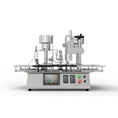
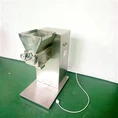
If you're interested in our Pulverizer, we offer a range of models with different noise - level profiles. Our engineers have worked hard to design machines that are not only efficient but also relatively quiet. We understand that a quiet working environment is important for your productivity and the well - being of your employees.
In addition to pulverizers, we also offer Granulator Machine and Granulators. These machines are also designed with the latest technology to ensure optimal performance and minimal noise.
If you're thinking about purchasing a pulverizer or any of our other products, we'd love to have a chat with you. We can provide you with more detailed information about the noise levels of our machines, as well as other technical specifications. Whether you're a small - scale operation or a large industrial facility, we have the right solution for you.
So, if you're interested in learning more or starting a purchase negotiation, don't hesitate to reach out. We're here to help you find the best equipment for your needs and make sure you get the most out of your investment.
References
- Industrial Noise Control Handbook, various authors
- Machinery Noise and Vibration: Causes, Control, and Case Studies, by John D. Adam