


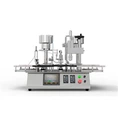
In the dynamic landscape of manufacturing, the efficiency of capping machines stands as a pivotal factor for industries seeking to streamline their production processes. As a seasoned capping machine supplier, I've witnessed firsthand the transformative impact that high - performance capping machines can have on a company's bottom line. One of the most frequently asked questions by our clients is, "What is the maximum number of caps a capping machine can handle per minute?" In this blog, I'll delve into the factors that influence this number and provide insights based on our extensive experience in the field.
Understanding the Basics of Capping Machines
Before we explore the maximum capping speed, it's essential to understand the different types of capping machines available in the market. There are several common types, including spindle cappers, chuck cappers, snap cappers, and rotary cappers, each designed to handle specific types of caps and containers.
Spindle cappers are widely used for applying screw - on caps. They work by using rotating spindles to grip and tighten the caps onto the containers. Chuck cappers, on the other hand, use a set of chucks to hold and tighten the caps. Snap cappers are designed for applying snap - on caps, and rotary cappers are ideal for high - volume production, as they can handle multiple containers simultaneously on a rotating platform.
Factors Affecting the Maximum Capping Speed
- Machine Design and Configuration
The design of the capping machine plays a crucial role in determining its maximum capping speed. Machines with advanced automation features, such as servo - driven systems, can achieve higher speeds and greater precision. For example, a rotary capping machine with multiple heads can cap several containers at once, significantly increasing the overall capping rate. Additionally, the layout of the machine, including the feeding system and the capping station, can impact the speed. A well - designed feeding system ensures a continuous supply of caps, minimizing downtime and maximizing productivity. - Cap and Container Characteristics
The type, size, and shape of the caps and containers also affect the capping speed. Smaller caps and containers generally allow for faster capping, as they require less time for handling and tightening. Caps with simple designs, such as screw - on or snap - on caps, can be applied more quickly than those with complex shapes or features. Similarly, containers with regular shapes and smooth surfaces are easier to cap compared to those with irregularities or complex geometries. - Product Viscosity and Fill Level
In some cases, the viscosity of the product inside the container can affect the capping process. Highly viscous products may require more time for filling and settling, which can slow down the overall production line. Additionally, the fill level of the container needs to be consistent to ensure proper capping. If the fill level is too high or too low, it can cause issues with cap application, leading to reduced speed and potential quality problems. - Operator Skill and Training
The skill and training of the machine operator also play a role in achieving the maximum capping speed. A well - trained operator can operate the machine efficiently, troubleshoot minor issues quickly, and perform routine maintenance tasks to keep the machine running smoothly. Regular training programs can help operators stay updated on the latest machine features and best practices, improving overall productivity.
Maximum Capping Speeds in Different Applications
- Food and Beverage Industry
In the food and beverage industry, where high - volume production is common, capping machines can achieve impressive speeds. For example, a rotary capping machine in a beverage bottling plant can cap up to 600 bottles per minute or more, depending on the machine's configuration and the size of the bottles. This high - speed capping is essential to meet the demands of large - scale production and ensure a timely supply of products to the market. - Pharmaceutical Industry
In the pharmaceutical industry, the focus is not only on speed but also on accuracy and quality. Capping machines in this industry need to comply with strict regulatory requirements, such as ensuring proper sealing and preventing contamination. While the maximum capping speed may be lower compared to the food and beverage industry, modern capping machines can still achieve speeds of up to 200 - 300 vials or bottles per minute. For more information on related equipment in the pharmaceutical filling process, you can check out our Vial Filling Machine, Stoppering Machine, and Vial Sealing Machine. - Cosmetics and Personal Care Industry
The cosmetics and personal care industry often deals with a wide range of cap and container types, from small jars to large bottles. Capping machines in this industry need to be versatile and able to handle different cap styles and sizes. Depending on the machine's design and the specific requirements of the product, capping speeds can range from 50 to 300 units per minute.
Real - World Examples
To illustrate the potential of modern capping machines, let's take a look at some real - world examples. A large - scale beverage manufacturer recently installed a state - of the - art rotary capping machine in their production line. The machine, equipped with eight capping heads and a servo - driven system, was able to achieve a maximum capping speed of 800 bottles per minute. This significant increase in production capacity allowed the company to meet the growing demand for their products and gain a competitive edge in the market.
In another case, a pharmaceutical company upgraded their capping machine to a more advanced model with improved automation features. The new machine was able to cap up to 250 vials per minute with greater accuracy and consistency, reducing the number of rejected products and improving overall quality control.
Achieving the Maximum Capping Speed
To achieve the maximum capping speed for your specific application, it's important to work closely with a reputable capping machine supplier. At our company, we offer a comprehensive range of capping machines, from entry - level models to high - end, fully automated systems. Our team of experts will work with you to understand your production requirements, including the type of caps and containers, the desired capping speed, and any specific quality or regulatory requirements.

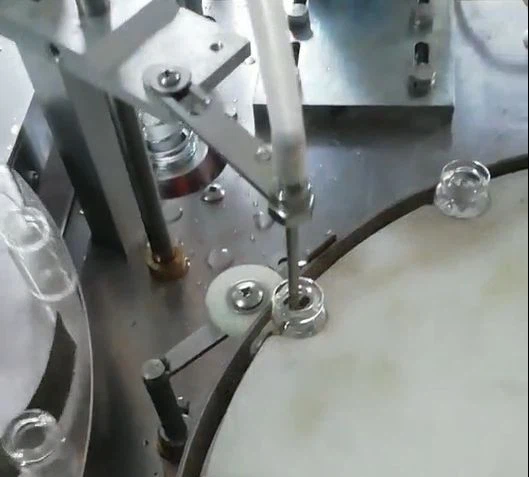
We also provide installation, training, and after - sales support services to ensure that your capping machine operates at its optimal performance. Our technicians are available to troubleshoot any issues that may arise and to perform routine maintenance tasks to keep your machine running smoothly.
Conclusion
The maximum number of caps a capping machine can handle per minute depends on a variety of factors, including machine design, cap and container characteristics, product viscosity, and operator skill. By understanding these factors and working with a trusted supplier, you can select the right capping machine for your application and achieve the highest possible capping speed.
If you're interested in learning more about our capping machines or would like to discuss your specific production requirements, please don't hesitate to contact us. Our team of experts is ready to assist you in finding the best solution for your business.
References
- "Handbook of Packaging Machinery" by John P. Dillon
- "Packaging Automation: Principles and Applications" by Charles W. Hall
- Industry reports and case studies from leading capping machine manufacturers.