


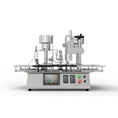
Selecting the appropriate filling needles for a capsule filler is a crucial step in the capsule manufacturing process. As a trusted capsule filler supplier, we understand the significance of this decision and are here to guide you through the process. In this blog, we will discuss the key factors to consider when choosing filling needles and how they can impact the overall performance of your Capsule Filler Machine.
Understanding the Basics of Filling Needles
Filling needles are an integral part of a Capsule Filler. They are responsible for accurately dispensing the desired amount of filling material into each capsule. The design and specifications of the filling needles can vary depending on the type of capsule filler, the nature of the filling material, and the production requirements.
There are several types of filling needles available in the market, each designed for specific applications. Some common types include:
- Single-Needle Fillers: These are suitable for small-scale production or when filling capsules with a single type of material. They are relatively simple in design and easy to operate.
- Multi-Needle Fillers: Ideal for high-volume production, multi-needle fillers can fill multiple capsules simultaneously. They offer increased efficiency and productivity.
- Specialty Needles: These are designed for specific filling materials, such as liquids, powders, or granules. Specialty needles ensure accurate and consistent filling, even for challenging materials.
Factors to Consider When Selecting Filling Needles
1. Filling Material
The type of filling material is one of the most important factors to consider when choosing filling needles. Different materials have different properties, such as viscosity, particle size, and flowability, which can affect the filling process.
- Liquids: For liquid filling, needles with a larger bore size are typically required to ensure smooth flow. Needles with a tapered tip can also help prevent dripping and ensure accurate dosing.
- Powders: Powders can be more challenging to fill due to their tendency to clump or bridge. Needles with a smaller bore size and a smooth interior surface are often preferred to prevent clogging. Anti-static coatings can also be beneficial for powders that are prone to static buildup.
- Granules: Granular materials require needles with a bore size that is large enough to accommodate the granules without causing blockages. Needles with a rounded tip can help prevent damage to the granules during filling.
2. Capsule Size and Type
The size and type of capsules you are filling will also influence the choice of filling needles. Different capsule sizes require different needle lengths and diameters to ensure proper filling.
- Capsule Size: The needle length should be sufficient to reach the bottom of the capsule without touching the sides. A needle that is too short may not fill the capsule completely, while a needle that is too long can damage the capsule or cause spillage.
- Capsule Type: Hard gelatin capsules and Soft Capsule Machine require different filling techniques. Hard capsules typically require a more precise filling process, while soft capsules may be more forgiving. The design of the filling needles should be compatible with the specific capsule type to ensure optimal filling results.
3. Production Volume
The production volume of your capsule manufacturing process is another important consideration. High-volume production requires filling needles that can handle the increased workload and maintain consistent filling accuracy.
- Single-Needle vs. Multi-Needle Fillers: For low-volume production, a single-needle filler may be sufficient. However, for high-volume production, a multi-needle filler can significantly increase productivity. Multi-needle fillers can fill multiple capsules simultaneously, reducing the overall filling time.
- Needle Durability: In high-volume production, the filling needles are subjected to frequent use and may wear out over time. Choosing needles made from high-quality materials and with a durable design can help ensure long-term performance and reduce the need for frequent replacements.
4. Filling Accuracy
Filling accuracy is crucial in capsule manufacturing to ensure consistent dosage and quality. The design and quality of the filling needles can have a significant impact on filling accuracy.
- Needle Precision: Needles with a high level of precision are essential for accurate filling. Precision needles are manufactured to tight tolerances, ensuring consistent bore size and tip shape. This helps to minimize variations in filling volume and improve overall product quality.
- Calibration and Maintenance: Regular calibration and maintenance of the filling needles are necessary to ensure continued accuracy. Calibration ensures that the needles are dispensing the correct amount of filling material, while maintenance helps to prevent clogging and other issues that can affect filling accuracy.
5. Cleaning and Sterilization
Easy cleaning and sterilization are important considerations for filling needles, especially in pharmaceutical and food applications. Needles that are difficult to clean or sterilize can harbor bacteria and other contaminants, which can compromise product quality and safety.
- Needle Design: Needles with a simple and smooth design are easier to clean and sterilize. Avoid needles with complex geometries or internal channels that can trap debris.
- Material Compatibility: The material of the filling needles should be compatible with the cleaning and sterilization methods used in your production facility. Stainless steel is a popular choice due to its durability and resistance to corrosion.
Benefits of Choosing the Right Filling Needles
Selecting the appropriate filling needles for your capsule filler can offer several benefits, including:
- Improved Filling Accuracy: The right needles ensure consistent and accurate filling, reducing the risk of under- or over-filling. This helps to maintain product quality and compliance with regulatory requirements.
- Increased Productivity: Multi-needle fillers and high-quality needles can significantly increase production speed and efficiency. This allows you to meet high-volume production demands and reduce manufacturing costs.
- Enhanced Product Quality: Accurate filling and proper dosing help to ensure the uniformity and stability of your capsule products. This can improve customer satisfaction and brand reputation.
- Reduced Downtime: Choosing durable and reliable needles reduces the need for frequent replacements and maintenance. This helps to minimize downtime and keep your production line running smoothly.
Conclusion
Selecting the appropriate filling needles for a capsule filler is a critical decision that can have a significant impact on the performance and quality of your capsule manufacturing process. By considering factors such as the filling material, capsule size and type, production volume, filling accuracy, and cleaning and sterilization requirements, you can choose the right needles for your specific needs.
As a leading capsule filler supplier, we offer a wide range of high-quality filling needles designed to meet the diverse needs of the capsule manufacturing industry. Our experienced team can provide expert guidance and support to help you select the most suitable needles for your application.
If you are interested in learning more about our Capsule Filler Machine or filling needles, or if you have any questions or need assistance, please feel free to contact us. We look forward to working with you to optimize your capsule manufacturing process.


References
- [1] Pharmaceutical Capsule Filling Technology, Second Edition by J. T. Carstensen and J. E. Rhodes
- [2] Handbook of Encapsulation and Controlled Release by Benita Simon
- [3] Capsule Technology: From Development to Production by P. Collette and J. Vervaet