


Hey there! As a supplier of vial fillers, I often get asked about how to improve the filling accuracy of these machines. Today, I'm gonna share some tips and methods that can help you get more precise filling results.
Understanding the Basics of Vial Fillers
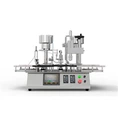
First off, let's talk a bit about vial fillers. A vial filler is a crucial piece of equipment in various industries, such as pharmaceuticals, cosmetics, and food. It's designed to fill vials with a specific amount of liquid, powder, or other substances. You can check out more about our Vial Filler on our website for a better understanding of its features and functions.
The filling accuracy of a vial filler is super important. If the filling amount is not consistent, it can lead to a bunch of problems. For example, in the pharmaceutical industry, incorrect dosages can have serious consequences for patients. In the cosmetic industry, it can affect the product's quality and customer satisfaction.

Factors Affecting Filling Accuracy
Before we dive into the improvement methods, it's essential to know what factors can affect the filling accuracy.
- Liquid Viscosity: Different liquids have different viscosities. High - viscosity liquids flow more slowly than low - viscosity ones, which means the filling speed and accuracy can be affected. For instance, honey is much more viscous than water, and it requires a different filling mechanism to ensure accurate filling.
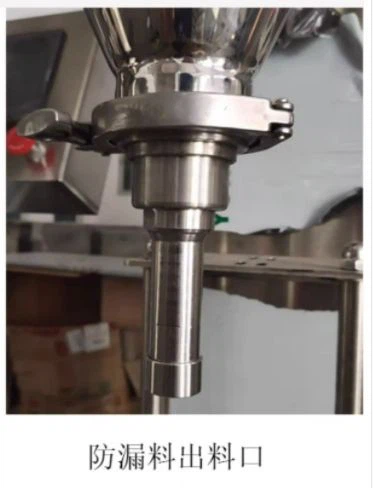
- Nozzle Design: The design of the filling nozzle plays a big role. A poorly designed nozzle can cause splashing, dripping, or inconsistent filling. The size and shape of the nozzle opening, as well as its material, can all impact the filling process.
- Machine Wear and Tear: Over time, the components of a vial filler can wear out. Things like pistons, valves, and seals can start to malfunction, leading to inaccurate filling. Regular maintenance is key to prevent this.
- Environmental Conditions: Temperature, humidity, and air pressure can also have an effect. For example, changes in temperature can cause the volume of the liquid to expand or contract, which may result in inaccurate filling.
Improvement Methods
Now, let's get into the meat of it - the methods to improve filling accuracy.
1. Calibration and Adjustment
Regular calibration is a must. It involves setting up the machine to dispense the correct amount of product. You should perform calibration checks at regular intervals, especially after any major maintenance or when switching between different products.
Adjusting the filling parameters is also crucial. This includes things like filling time, filling pressure, and the speed of the pistons or pumps. By fine - tuning these parameters, you can achieve more accurate filling. For example, if you're filling a high - viscosity liquid, you may need to increase the filling pressure and adjust the filling time accordingly.
2. Nozzle Optimization
As I mentioned earlier, the nozzle is a critical part of the filling process. You can choose a nozzle that is specifically designed for the type of product you're filling. Some nozzles are better for thin liquids, while others are more suitable for thick or sticky substances.
Also, proper nozzle cleaning and maintenance are important. Residue buildup in the nozzle can disrupt the flow of the liquid and cause inaccurate filling. Make sure to clean the nozzles regularly according to the manufacturer's instructions.
3. Use of Advanced Sensors
Installing advanced sensors can greatly improve the filling accuracy. For example, ultrasonic sensors can be used to measure the liquid level in the vial accurately. These sensors can detect the exact moment when the desired filling level is reached and stop the filling process immediately.
Weight sensors are another option. They can measure the weight of the vial before and after filling, ensuring that the correct amount of product has been dispensed. By using these sensors, you can have real - time feedback and make adjustments as needed.
4. Software and Automation
Modern vial fillers often come with advanced software that allows for precise control and monitoring. The software can manage the filling parameters, record filling data, and even detect and correct any errors automatically.
Automation can also reduce human error. For example, an automated vial filling system can ensure consistent filling across multiple vials without the need for manual intervention. This not only improves accuracy but also increases productivity.
5. Regular Maintenance
I can't stress this enough - regular maintenance is essential for maintaining filling accuracy. This includes cleaning, lubricating, and replacing worn - out parts. A well - maintained machine is less likely to develop problems that can affect the filling process.
For example, check the seals regularly. If they are worn or damaged, they can cause leaks and inaccurate filling. Replace them as soon as possible to avoid any issues.
The Role of Vial Filling and Sealing Machines
Once you've improved the filling accuracy, you may also need to consider the vial sealing process. A Vial Sealing Machine is used to seal the filled vials properly. It ensures that the product inside the vial remains safe and intact.
Proper sealing is important not only for product preservation but also for maintaining the integrity of the filling. If the seal is not tight, the liquid inside the vial may leak out, affecting the overall quality of the product.
Conclusion
Improving the filling accuracy of a vial filler is a combination of proper calibration, nozzle optimization, use of advanced sensors, software and automation, and regular maintenance. By implementing these methods, you can ensure that your vial filling process is accurate, efficient, and reliable.
If you're in the market for a high - quality vial filler or need more information on how to improve the filling accuracy of your existing machine, don't hesitate to reach out. You can also explore our Vial Filling Machine on our website for more details. We're here to help you find the best solutions for your filling needs.
References
- "Principles of Pharmaceutical Manufacturing" - Provides in - depth knowledge about pharmaceutical manufacturing processes, including vial filling.
- "Automation in Packaging Machinery" - Discusses the role of automation in improving the accuracy and efficiency of packaging machines, such as vial fillers.
- Manufacturer's manuals of vial filling and sealing machines - These manuals contain specific information about the operation, calibration, and maintenance of the machines.