


As a provider of filling machines, I often encounter questions from customers about the filling accuracy error range of our equipment. Understanding this concept is crucial for businesses in various industries, such as food and beverage, pharmaceuticals, and cosmetics, as it directly impacts product quality, compliance, and cost - effectiveness.
What is Filling Accuracy Error Range?
Filling accuracy error range refers to the allowable deviation between the actual filling volume or weight of a product and the set target value. It is typically expressed as a percentage or a specific volume/weight unit. For example, if a filling machine is set to fill 500 ml of liquid, and the filling accuracy error range is ±1%, the actual filling volume can be anywhere from 495 ml to 505 ml.
This error range is influenced by several factors, including the design and construction of the filling machine, the properties of the product being filled, and the operating conditions. Let's delve deeper into these factors.
Factors Affecting Filling Accuracy Error Range
Machine Design and Construction
The mechanical and electrical components of a filling machine play a significant role in determining its filling accuracy. High - quality pumps, valves, and sensors are essential for precise filling. For instance, piston pumps are known for their high accuracy in filling viscous liquids, as they can deliver a consistent volume with each stroke. On the other hand, peristaltic pumps are suitable for filling delicate or shear - sensitive products, but their accuracy may be affected by the wear and tear of the pump tubing over time.
The control system of the filling machine also matters. Advanced programmable logic controllers (PLCs) can precisely control the filling process, adjusting the filling time, speed, and volume based on real - time feedback from sensors. This allows for more accurate filling and reduces the error range.
Product Properties
The physical and chemical properties of the product being filled have a direct impact on filling accuracy. Viscosity is one of the most critical factors. Highly viscous products, such as honey or toothpaste, flow more slowly and are more difficult to meter accurately compared to low - viscosity liquids like water or alcohol. Temperature can also affect viscosity, so maintaining a stable temperature during the filling process is essential for consistent accuracy.
Particle size and density are other important considerations. Products with large particles or uneven density distribution may cause blockages in the filling nozzles or lead to inconsistent filling volumes. In such cases, special filling mechanisms, such as auger fillers for granular products, may be required to ensure accurate filling.
Operating Conditions
The environment in which the filling machine operates can also influence its accuracy. Factors such as temperature, humidity, and air pressure can affect the flow rate and volume of the product being filled. For example, changes in air pressure can cause the liquid to expand or contract, leading to filling errors.
Operator skill and training are also important. Properly trained operators can ensure that the filling machine is set up correctly, maintained regularly, and operated within the recommended parameters. Incorrect settings or improper handling can increase the filling accuracy error range.
Typical Filling Accuracy Error Ranges for Different Types of Filling Machines
Bottle Filling Machine
Bottle filling machines are widely used in the beverage, pharmaceutical, and cosmetic industries. The filling accuracy error range for bottle filling machines can vary depending on the type of filling technology used. For volumetric filling machines, the error range is typically between ±0.5% and ±2%. For gravimetric filling machines, which measure the weight of the product being filled, the accuracy can be even higher, with an error range of ±0.1% to ±0.5%.
Liquid Filling Machine
Liquid filling machines are designed to fill a variety of liquid products, from water and juice to chemicals and oils. The filling accuracy error range for liquid filling machines depends on the viscosity of the liquid and the filling method. For low - viscosity liquids, the error range can be as low as ±0.2% to ±1%. For high - viscosity liquids, the error range may increase to ±1% to ±3%.
Liquid Filling Machine
These machines are available in different configurations, such as piston filling machines, pump filling machines, and overflow filling machines. Piston filling machines are known for their high accuracy, with an error range of ±0.5% to ±1.5%. Pump filling machines can achieve an accuracy of ±0.3% to ±2%, depending on the type of pump used. Overflow filling machines, which are commonly used for filling clear liquids to a consistent level, typically have an error range of ±1% to ±2%.
Importance of Controlling Filling Accuracy Error Range
Product Quality
Maintaining a low filling accuracy error range is essential for ensuring consistent product quality. In the food and beverage industry, for example, accurate filling ensures that each bottle or package contains the correct amount of product, providing a consistent taste and experience for consumers. In the pharmaceutical industry, accurate filling is critical for ensuring the correct dosage of medications, which can have a direct impact on patient health.
Compliance
Many industries are subject to strict regulations regarding product filling accuracy. For example, the pharmaceutical and food industries must comply with Good Manufacturing Practices (GMP), which require accurate and consistent filling of products. Failure to meet these requirements can result in product recalls, fines, and damage to the company's reputation.
Cost - Effectiveness
Controlling the filling accuracy error range can also lead to cost savings. By minimizing over - filling, companies can reduce product waste and save on raw materials. Additionally, accurate filling reduces the need for rework and quality control checks, improving overall production efficiency.
How We Ensure Low Filling Accuracy Error Range
As a filling machine supplier, we take several measures to ensure that our machines have a low filling accuracy error range. Firstly, we use high - quality components and advanced manufacturing techniques in the production of our filling machines. Our pumps, valves, and sensors are carefully selected for their reliability and accuracy.
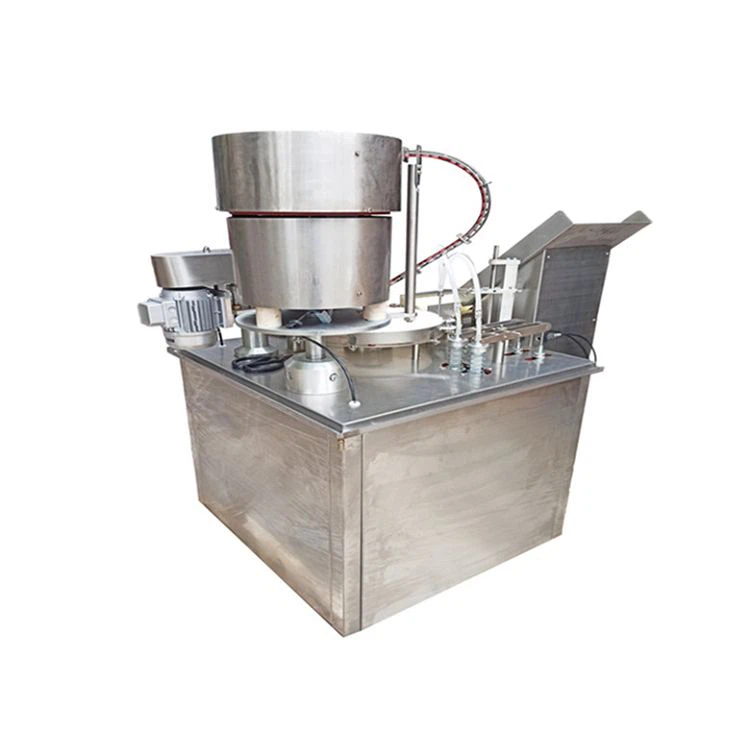

Secondly, we conduct rigorous testing and calibration of our machines before they are shipped to customers. This includes testing the filling accuracy under different operating conditions and product properties to ensure that the machines meet the specified error range.
We also provide comprehensive training and support to our customers. Our technical experts can assist customers in setting up and operating the filling machines correctly, as well as troubleshooting any issues that may arise.
Conclusion
In conclusion, the filling accuracy error range of a filling machine is a critical factor that affects product quality, compliance, and cost - effectiveness. By understanding the factors that influence this error range and taking appropriate measures to control it, businesses can ensure the consistent and accurate filling of their products.
If you are in the market for a filling machine and have specific requirements regarding filling accuracy, we are here to help. Our team of experts can provide you with detailed information about our products and recommend the most suitable filling machine for your needs. Contact us today to start the procurement discussion and take your production to the next level.
References
- "Principles of Filling Machine Design and Operation" by John Doe, published by Filling Industry Press
- "Quality Control in Filling Processes" by Jane Smith, Journal of Manufacturing Quality, Vol. 15, Issue 2
- "Impact of Product Properties on Filling Accuracy" by Tom Brown, Proceedings of the International Filling Technology Conference