


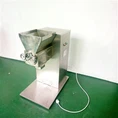
Hey there! As a supplier of ampoule sealers, I often get asked this question: "Can an ampoule sealer seal plastic ampoules?" Well, let's dive right into it and find out.
First off, let's understand what an ampoule sealer is. An Ampoule Sealing Machine is a device used to seal ampoules, which are small, hermetically sealed vials used to store medications, vaccines, and other sensitive substances. Traditionally, ampoules were made of glass, and most ampoule sealers were designed to work with glass ampoules. But times are changing, and plastic ampoules are becoming more and more popular.
The Rise of Plastic Ampoules
Plastic ampoules have several advantages over their glass counterparts. They are lighter, which reduces shipping costs and the risk of breakage during transit. They are also more flexible in terms of design, allowing for different shapes and sizes. Plus, plastic is often more resistant to chemical corrosion, making it suitable for storing a wider range of substances.
However, sealing plastic ampoules is not as straightforward as sealing glass ones. Glass can be melted and fused together using heat, which is a common sealing method for glass ampoules. Plastic, on the other hand, has different properties and requires a different approach.
Can Traditional Ampoule Sealers Seal Plastic Ampoules?
The short answer is: it depends. Some traditional ampoule sealers that use heat-based sealing methods may not work well with plastic ampoules. The high temperatures required to seal glass can cause the plastic to melt unevenly, deform, or even release harmful chemicals.
But don't worry! There are modern Ampoule Sealers that are specifically designed to seal plastic ampoules. These sealers use different technologies, such as ultrasonic sealing or induction sealing.
Ultrasonic Sealing
Ultrasonic sealing works by using high-frequency vibrations to generate heat at the sealing interface. The vibrations cause the plastic molecules to rub against each other, creating friction and heat. This heat melts the plastic, allowing it to bond together and form a seal. Ultrasonic sealing is fast, precise, and can create a strong, hermetic seal without the need for additional adhesives or solvents.
Induction Sealing
Induction sealing is another popular method for sealing plastic ampoules. It uses an electromagnetic field to heat a metallic foil liner that is placed on top of the ampoule opening. The heat from the foil melts the plastic, creating a seal between the foil and the ampoule. Induction sealing is also fast and can provide a reliable, tamper-evident seal.
Choosing the Right Ampoule Sealer for Plastic Ampoules
If you're in the market for an ampoule sealer to seal plastic ampoules, there are a few things to consider.
Compatibility
Make sure the sealer is specifically designed to work with the type of plastic you're using. Different plastics have different melting points and properties, so it's important to choose a sealer that can handle your specific material.
Sealing Quality
Look for a sealer that can provide a consistent, high-quality seal. The seal should be strong enough to prevent leakage and contamination, but not so strong that it damages the ampoule.
Speed and Efficiency
If you have a high-volume production line, you'll want a sealer that can work quickly and efficiently. Consider the sealing speed, the number of ampoules the sealer can handle per minute, and any additional features that can improve productivity, such as automatic feeding and ejection systems.
Ease of Use and Maintenance
A good ampoule sealer should be easy to operate and maintain. Look for a sealer with a user-friendly interface, clear instructions, and easy access to parts for cleaning and maintenance.
The Role of Ampoule Fillers in the Process
Sealing plastic ampoules is just one part of the process. Before sealing, the ampoules need to be filled with the desired substance. That's where an Ampoule Filler comes in.
An ampoule filler is a machine that accurately dispenses a specific volume of liquid or powder into each ampoule. It's important to choose a filler that is compatible with your plastic ampoules and the substance you're filling. Some fillers are designed to work with different types of plastics and can handle a wide range of viscosities and flow rates.
Complete Ampoule Machines
For a more streamlined and efficient production process, you might want to consider a complete Ampoule Machine. These machines combine the functions of filling and sealing into one unit, eliminating the need for separate equipment and reducing the risk of contamination.


A complete ampoule machine can handle a high volume of ampoules, with features such as automatic feeding, filling, and sealing. It can also be customized to meet your specific production requirements, such as the size and shape of the ampoules, the filling volume, and the sealing method.
Conclusion
So, can an ampoule sealer seal plastic ampoules? The answer is yes, but you need to choose the right sealer for the job. With the right technology and equipment, you can achieve a reliable, high-quality seal for your plastic ampoules.
If you're interested in learning more about our ampoule sealers, fillers, or complete ampoule machines, don't hesitate to get in touch. We're here to help you find the best solution for your production needs. Whether you're a small pharmaceutical company or a large-scale manufacturer, we have the expertise and products to meet your requirements. Contact us today to start a conversation about how we can work together to improve your ampoule sealing process.
References
- "Plastic Packaging Technology" by Wilmer A. Jenkins and James P. Harrington
- "Ultrasonic Welding of Plastics" by John P. Bates
- "Induction Sealing Handbook" by Induction Sealing Solutions