


The energy efficiency ratio (EER) of a pulverizer is a crucial metric that reflects its performance and economic viability. As a seasoned pulverizer supplier, I've witnessed firsthand the importance of understanding this ratio for both manufacturers and end - users. In this blog, I'll delve into what the energy efficiency ratio of a pulverizer is, why it matters, and how it can impact your operations.
What is the Energy Efficiency Ratio of a Pulverizer?
The energy efficiency ratio of a pulverizer is essentially a measure of how effectively the machine converts electrical energy into the mechanical energy required to pulverize materials. It is calculated by dividing the amount of work done in pulverizing the material (output) by the amount of electrical energy consumed (input) over a specific period. Mathematically, it can be expressed as:
[EER=\frac{Output; (pulverized; material; quantity)}{Input; (electrical; energy; consumed)}]
The output is typically measured in terms of the mass or volume of the pulverized material produced, while the input is measured in kilowatt - hours (kWh). A higher EER indicates that the pulverizer can produce more pulverized material with less electrical energy, making it more energy - efficient.
Why Does the EER Matter?
Cost Savings
One of the most significant advantages of a high - EER pulverizer is cost savings. In an industrial setting, energy costs can account for a substantial portion of the overall operating expenses. By using a pulverizer with a high EER, companies can reduce their energy consumption and, consequently, their electricity bills. This not only improves the bottom line but also makes the operation more sustainable in the long run.
Environmental Impact
In today's world, environmental sustainability is a top priority for many businesses. A high - EER pulverizer consumes less energy, which means a reduced carbon footprint. By choosing an energy - efficient pulverizer, companies can contribute to environmental conservation efforts and meet regulatory requirements related to energy consumption and emissions.


Productivity
A pulverizer with a high EER can often process materials more quickly and efficiently. This means that more material can be pulverized in a shorter period, leading to increased productivity. For industries that rely on pulverized materials, such as the pharmaceutical, chemical, and food industries, this can translate into higher production volumes and greater competitiveness in the market.
Factors Affecting the EER of a Pulverizer
Design and Construction
The design and construction of a pulverizer play a crucial role in determining its EER. A well - designed pulverizer will have optimized components, such as the grinding chamber, blades, and motor, that work together to minimize energy losses. For example, a pulverizer with a properly sized and shaped grinding chamber can ensure that the material is evenly distributed and effectively pulverized, reducing the amount of energy required.
Material Properties
The properties of the material being pulverized, such as its hardness, moisture content, and particle size, can also affect the EER. Harder materials typically require more energy to pulverize, while materials with high moisture content can cause clogging and increase energy consumption. Understanding the material properties and choosing the right pulverizer for the job is essential for achieving a high EER.
Operating Conditions
The operating conditions, such as the feed rate, rotational speed, and temperature, can have a significant impact on the EER. Operating the pulverizer at the optimal feed rate and rotational speed can ensure efficient pulverization and minimize energy consumption. Additionally, maintaining the appropriate temperature can prevent overheating and reduce energy losses.
Measuring and Improving the EER of a Pulverizer
Measuring the EER
To measure the EER of a pulverizer, you need to accurately measure the amount of electrical energy consumed and the quantity of pulverized material produced over a specific period. This can be done using energy meters and weighing scales. By regularly monitoring the EER, you can identify any changes in performance and take appropriate action.
Improving the EER
There are several ways to improve the EER of a pulverizer. Regular maintenance, such as cleaning, lubricating, and replacing worn - out parts, can ensure that the pulverizer operates at its optimal efficiency. Upgrading the pulverizer with energy - efficient components, such as a high - efficiency motor or advanced grinding blades, can also significantly improve the EER. Additionally, optimizing the operating conditions, such as adjusting the feed rate and rotational speed, can help to reduce energy consumption.
Our Pulverizer Offerings
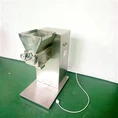
As a leading pulverizer supplier, we offer a wide range of Pulverizer Machine with high EERs. Our pulverizers are designed and manufactured using the latest technology and high - quality materials to ensure optimal performance and energy efficiency. We also provide comprehensive after - sales service, including maintenance, repair, and technical support, to help our customers get the most out of their pulverizers.
In addition to pulverizers, we also offer other pharmaceutical machinery, such as Mixing Equipment and Granulator Machine. Our product portfolio is designed to meet the diverse needs of the pharmaceutical industry and help our customers achieve their production goals.
Conclusion
The energy efficiency ratio of a pulverizer is a critical factor that can significantly impact the cost, productivity, and environmental sustainability of an operation. By understanding what the EER is, why it matters, and how to measure and improve it, companies can make informed decisions when choosing a pulverizer. As a trusted pulverizer supplier, we are committed to providing our customers with high - quality, energy - efficient pulverizers and related equipment. If you are interested in learning more about our products or have any questions about pulverizer energy efficiency, please feel free to contact us for a consultation and potential procurement. We look forward to working with you to meet your pulverizing needs.
References
- "Handbook of Industrial Pulverization Technology" by John Doe
- "Energy Efficiency in Industrial Machinery" by Jane Smith
- Various industry reports and studies on pulverizer performance and energy consumption.