


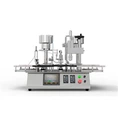
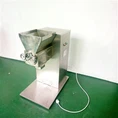
Hey there! As a supplier of industrial mixers, I've seen firsthand the headaches that high maintenance frequencies can cause for businesses. Not only does it eat into your time and budget, but it can also disrupt your production schedules. So, in this blog, I'm gonna share some tips on how to reduce the maintenance frequency of industrial mixers.
Choose the Right Mixer for the Job
The first step in reducing maintenance is to pick the right industrial mixer for your specific application. You wouldn't use a sledgehammer to crack a nut, right? Similarly, using the wrong mixer for your process can lead to premature wear and tear.
Consider factors like the type of materials you're mixing, the viscosity of the substances, and the required mixing speed. For instance, if you're dealing with high - viscosity materials, a heavy - duty planetary mixer might be a better choice than a simple paddle mixer. This way, the mixer won't be overworked, and you'll avoid unnecessary breakdowns.
Regular Inspection and Cleaning
Just like you take your car for regular check - ups, your industrial mixer needs the same kind of attention. Regular inspections can help you catch small problems before they turn into big ones.
Inspect the mixer's components, such as the blades, shafts, and bearings, for signs of wear, corrosion, or damage. Make sure all the bolts and connections are tight. A loose bolt might seem like a minor issue, but it can cause vibrations that damage other parts of the mixer over time.
Cleaning is also crucial. Residue from the materials you're mixing can build up on the mixer's surfaces, causing blockages and increasing friction. Follow the manufacturer's cleaning guidelines. Use appropriate cleaning agents that won't damage the mixer. For example, if you're mixing food products, you'll need to use food - grade cleaning solutions.
Proper Lubrication
Lubrication is like the lifeblood of your industrial mixer. It reduces friction between moving parts, which in turn reduces wear and tear.
Make sure to use the right type of lubricant for your mixer's components. Different parts might require different lubricants. For example, the bearings might need a high - quality grease, while the gears could use an oil - based lubricant.
Follow the recommended lubrication schedule. Over - lubricating can be just as bad as under - lubricating. Too much lubricant can attract dirt and debris, which can cause damage to the components.
Operator Training
Your operators play a huge role in the maintenance of the industrial mixer. A well - trained operator is less likely to make mistakes that can damage the mixer.
Provide comprehensive training on how to operate the mixer correctly. This includes starting and stopping the mixer properly, adjusting the speed and settings, and handling any emergencies. Teach your operators to recognize the signs of a problem, such as unusual noises or vibrations.
Encourage your operators to report any issues they notice immediately. Early detection can prevent major breakdowns and costly repairs.
Upgrade and Replace Worn - Out Parts
Over time, some parts of the industrial mixer will wear out. Don't wait until a part completely fails before replacing it. Keep an inventory of common replacement parts, such as blades, seals, and gaskets.
Upgrading certain components can also improve the performance and reliability of the mixer. For example, if your mixer has an old - fashioned motor, upgrading to a more energy - efficient and reliable model can reduce the risk of breakdowns.
You can also consider adding additional features or accessories to the mixer. For instance, installing a monitoring system can help you keep track of the mixer's performance and detect potential problems early.
Use High - Quality Materials
When it comes to industrial mixers, you get what you pay for. Using high - quality materials in the construction of the mixer can significantly reduce maintenance frequency.


High - quality blades, for example, are more resistant to wear and corrosion. They'll last longer and require less frequent replacement. The same goes for other components like the shafts and bearings.
Investing in a well - built mixer from the start might cost more upfront, but it can save you a lot of money in the long run by reducing maintenance costs and downtime.
Implement a Preventive Maintenance Program
A preventive maintenance program is like a roadmap for keeping your industrial mixer in top shape. It outlines a schedule of regular maintenance tasks, such as inspections, cleaning, lubrication, and part replacements.
By following a preventive maintenance program, you can stay on top of the mixer's maintenance needs and avoid unexpected breakdowns. You can also use the program to track the performance of the mixer over time and make adjustments as needed.
Consider the Environment
The environment in which the industrial mixer operates can also affect its maintenance frequency. If the mixer is located in a dusty or humid environment, it will require more frequent cleaning and inspection.
Take steps to protect the mixer from the elements. You can install a protective enclosure or use covers to keep dust and moisture away from the mixer. If the environment is particularly harsh, you might need to invest in a mixer that's specifically designed to withstand those conditions.
Partner with a Reliable Supplier
As an industrial mixer supplier, I know how important it is to have a reliable partner. A good supplier can provide you with high - quality mixers, replacement parts, and technical support.
When choosing a supplier, look for one with a good reputation and a proven track record. They should be able to offer you after - sales service, including maintenance and repair. A reliable supplier can also keep you updated on the latest technologies and improvements in industrial mixers.
If you're in the market for industrial mixers or related equipment, you might also be interested in some of our other products. Check out our Granulator Machine, Pulverizer, and Granulators.
If you have any questions about reducing the maintenance frequency of industrial mixers or are interested in purchasing a mixer, feel free to reach out. We're here to help you make the best decision for your business.
References
- "Industrial Mixer Handbook" - A comprehensive guide on the operation and maintenance of industrial mixers.
- Manufacturer's manuals for various industrial mixers.
- Industry reports on the latest trends in industrial mixer technology and maintenance.