


In the modern pharmaceutical and nutraceutical industries, the efficient and accurate counting of capsules is crucial for quality control, production management, and regulatory compliance. As a leading capsule counter supplier, we understand the importance of seamless data transfer from capsule counters to computers. This not only streamlines operations but also provides valuable insights for decision - making. In this blog, we will explore the various types of data that can be transferred from a capsule counter to a computer.
1. Counting Data
The most fundamental data transferred from a capsule counter to a computer is the actual count of capsules. This data represents the number of capsules that have passed through the counter during a specific production run. For example, in a large - scale pharmaceutical manufacturing plant, a capsule counter may be set up to count thousands of capsules per hour. The real - time count data can be transferred to a computer system, which can then be used to monitor the production rate. If the count suddenly drops or deviates from the expected rate, it could indicate a problem in the capsule filling process, such as a clogged hopper or a malfunctioning conveyor belt.
This counting data can also be used for inventory management. By accurately tracking the number of capsules produced, companies can better manage their stock levels, ensuring that they have enough products to meet customer demand without over - producing. Moreover, this data can be integrated with enterprise resource planning (ERP) systems, providing a comprehensive view of the production and inventory status across the organization.
2. Batch - related Data
Capsule production is often organized into batches, and a capsule counter can transfer important batch - related data to a computer. This includes the batch number, which is a unique identifier for a specific group of capsules. The batch number is essential for traceability, allowing manufacturers to track the entire production process of a particular batch, from raw material sourcing to final packaging.
In addition to the batch number, the counter can also transfer information about the start and end times of the batch production. This data helps in analyzing the production efficiency of each batch. For instance, if one batch takes significantly longer to produce than others, it may be necessary to investigate the cause, such as equipment maintenance issues or operator errors.
Another important batch - related data is the target count for the batch. This is the pre - determined number of capsules that should be produced in a particular batch. By comparing the actual count with the target count, manufacturers can quickly identify if there are any discrepancies and take appropriate actions, such as adjusting the filling settings or re - running the counter.
3. Quality Control Data
A high - quality capsule counter is equipped with sensors and detectors to ensure the quality of the capsules being counted. The data related to quality control can be transferred to a computer for further analysis. One such type of data is the detection of defective capsules. The counter can identify capsules that are damaged, misshapen, or have incorrect filling levels. This data can be used to calculate the defect rate for a batch, which is an important quality metric.
For example, if the defect rate exceeds a certain threshold, it may be necessary to halt the production process and perform maintenance on the Capsule Filler Machine or Capsule Filler. The computer can store historical defect rate data, allowing manufacturers to identify trends over time and take proactive measures to improve the overall quality of the production.
The counter can also transfer data about the weight of the capsules. Consistent capsule weight is an important quality indicator, as it ensures that each capsule contains the correct amount of active ingredients. By monitoring the weight data transferred from the counter, manufacturers can make adjustments to the filling process to maintain the desired weight consistency.

4. Machine Performance Data
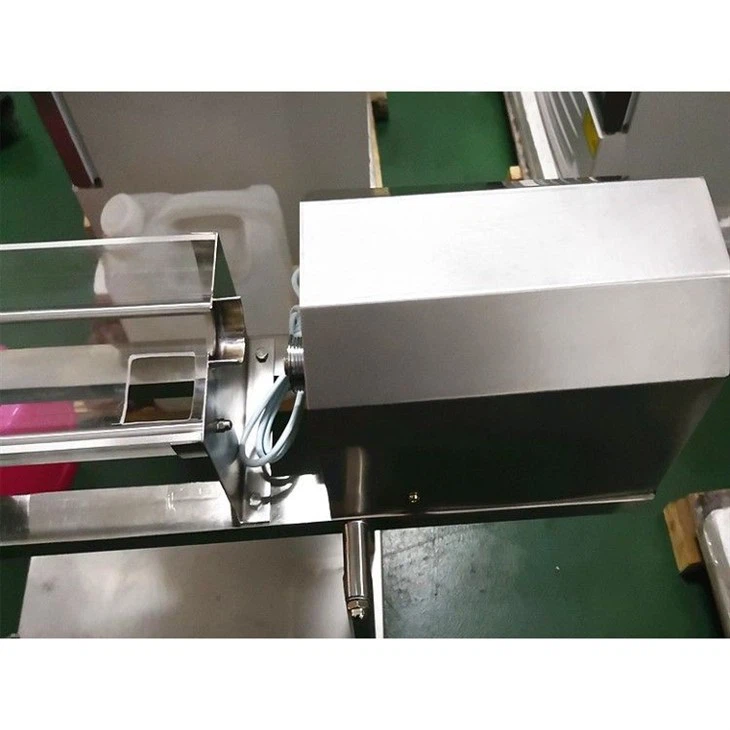
The capsule counter itself is a complex piece of equipment, and transferring its performance data to a computer can help in preventive maintenance and optimizing its operation. This includes data such as the operating temperature of the counter. High operating temperatures can affect the accuracy of the counting mechanism and may also indicate potential overheating issues. By monitoring the temperature data, technicians can schedule maintenance before a serious problem occurs.
The speed of the counter is another important performance metric. The counter can transfer data about its operating speed, which can be compared with the set speed. If there is a deviation, it may be necessary to check for mechanical problems or software glitches. Additionally, the counter can record the number of cycles it has completed, which is useful for predicting the lifespan of certain components and planning for replacement.
5. Error and Alarm Data
In case of any malfunctions or abnormal conditions, the capsule counter can transfer error and alarm data to a computer. This includes error codes that provide detailed information about the nature of the problem. For example, an error code may indicate a sensor failure, a communication issue, or a problem with the power supply.
When an alarm is triggered, the counter can also transfer data about the time of the alarm, the severity level, and the location within the counter where the problem occurred. This information allows maintenance personnel to quickly diagnose and resolve the issue, minimizing downtime and ensuring continuous production.
6. Operator - related Data
If the capsule counter requires operator interaction, data related to the operators can also be transferred to a computer. This includes the operator ID, which identifies the person who is operating the counter during a particular shift. By tracking the operator ID, manufacturers can analyze the performance of individual operators, such as their counting accuracy and productivity.
The counter can also record the time when an operator starts and stops using the machine. This data can be used for labor management, ensuring that operators are working their scheduled hours and that there is proper coverage during production shifts.
Conclusion
As a capsule counter supplier, we recognize the importance of comprehensive data transfer from our counters to computers. The data types mentioned above, including counting data, batch - related data, quality control data, machine performance data, error and alarm data, and operator - related data, provide a wealth of information that can be used to optimize production processes, improve quality control, and enhance overall operational efficiency.
If you are in the pharmaceutical or nutraceutical industry and are looking for a reliable capsule counter that can seamlessly transfer data to your computer systems, we invite you to Soft Capsule Machine to explore our product range. Our advanced capsule counters are designed to provide accurate and real - time data transfer, helping you to stay ahead in a competitive market. Whether you need a counter for small - scale production or a large - scale manufacturing facility, we have the right solution for you. Contact us today to discuss your specific requirements and start a procurement negotiation.
References
- Pharmaceutical Manufacturing Handbook: Production and Processes.
- Principles of Quality Control in the Nutraceutical Industry.
- Guide to Traceability in Pharmaceutical Production.