


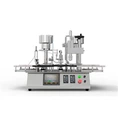
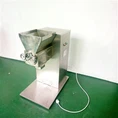
Hey there! As a supplier of filling machines, I've seen firsthand how important it is to understand the environmental requirements for using these machines. In this blog post, I'll share some insights on what you need to consider when it comes to the environment and filling machines.
Temperature and Humidity
One of the most critical environmental factors for filling machines is temperature and humidity. Most filling machines are designed to operate within a specific temperature and humidity range. For example, many liquid filling machines work best at temperatures between 10°C and 35°C (50°F and 95°F) and relative humidity levels between 30% and 70%.
If the temperature is too high, it can cause issues with the viscosity of the liquid being filled. High temperatures can make the liquid thinner, which might lead to over - filling or inconsistent fills. On the other hand, if it's too cold, the liquid can become thicker, making it difficult for the machine to dispense the correct amount.
Humidity also plays a role. High humidity can cause corrosion on the metal parts of the filling machine, especially if the machine is not properly coated or protected. It can also lead to condensation inside the machine, which can damage electrical components. Low humidity, meanwhile, can create static electricity, which may attract dust and debris to the machine and interfere with its operation.
Air Quality
The air quality in the area where the filling machine is used is another crucial factor. Dust, dirt, and other airborne particles can contaminate the product being filled and also cause wear and tear on the machine. For instance, in a food or pharmaceutical filling environment, strict air quality standards must be met to ensure product safety.
A cleanroom environment is often required for filling sensitive products. This means using air filtration systems to remove particles from the air. The level of air cleanliness is typically classified according to international standards, such as ISO 14644. For example, an ISO Class 5 cleanroom has a maximum of 3,520 particles per cubic meter that are 0.5 micrometers or larger.
If the filling machine is used in an industrial setting with a lot of dust, it's essential to have proper ventilation and dust collection systems. This helps to keep the machine clean and reduces the risk of product contamination.
Space and Layout
The physical space where the filling machine is installed also matters. The machine needs enough room for proper installation, operation, and maintenance. There should be sufficient clearance around the machine for operators to access all parts easily.
The layout of the filling area should be designed to minimize the risk of cross - contamination. For example, raw materials should be stored separately from the finished products. The flow of materials and personnel should be well - organized to prevent any unnecessary contact between different stages of the filling process.


In addition, the floor of the area should be flat and strong enough to support the weight of the filling machine. Uneven floors can cause the machine to vibrate, which may affect the accuracy of the fills.
Power Supply
A stable power supply is vital for the proper functioning of a filling machine. Voltage fluctuations can damage the electrical components of the machine and lead to inconsistent fills. It's recommended to use a voltage stabilizer or uninterruptible power supply (UPS) in areas where the power supply is unreliable.
The power requirements of the filling machine should be carefully considered during the installation process. Make sure that the electrical wiring can handle the load of the machine. Overloading the electrical system can not only damage the machine but also pose a fire hazard.
Noise and Vibration
Filling machines can generate noise and vibration during operation. Excessive noise can be a nuisance to the operators and may also indicate a problem with the machine. High - frequency noise can be particularly harmful to human hearing over time.
Vibration can affect the accuracy of the filling process and also cause damage to the machine's components. To reduce noise and vibration, the machine can be installed on vibration - isolating mounts. Additionally, regular maintenance can help to keep the machine running smoothly and reduce noise levels.
Compatibility with the Filled Product
The filling machine must be compatible with the product being filled. Different products have different properties, such as viscosity, density, and chemical composition. For example, a Bottle Filling Machine used for filling thick sauces will have different requirements compared to one used for filling thin liquids like water.
Some products may be corrosive or abrasive, which means the machine's contact parts need to be made of materials that can withstand these properties. For example, a Liquid Filling Machine used for filling acidic liquids should have contact parts made of corrosion - resistant materials like stainless steel or special plastics.
Water and Waste Management
If the filling machine uses water for cleaning or other purposes, proper water management is necessary. The water should be of good quality to prevent contamination of the machine and the product. It's also important to have a proper drainage system to remove the used water.
Waste management is another aspect. The filling process may generate waste materials, such as empty containers, excess product, and packaging materials. These waste materials should be collected and disposed of in an environmentally friendly way. Recycling programs can be implemented for materials like plastic bottles and cardboard boxes.
Why Choose Our Filling Machines?
At our company, we understand all these environmental requirements and design our filling machines to meet them. Our Liquid Filling Machine is built with high - quality materials that can withstand different environmental conditions. We also provide comprehensive after - sales service to ensure that your machine operates smoothly in your specific environment.
If you're in the market for a filling machine, don't hesitate to contact us. We can help you choose the right machine for your needs and provide guidance on how to create the best environmental conditions for its use. Whether you're filling bottles, cans, or other containers, we have the expertise to support you.
In conclusion, understanding the environmental requirements for using a filling machine is crucial for ensuring the quality of the filled products, the longevity of the machine, and the safety of the operators. By paying attention to factors like temperature, humidity, air quality, and power supply, you can make the most of your filling machine investment.
If you have any questions or want to discuss your filling machine needs further, feel free to reach out. We're here to help you make the right choice and get the most out of your filling process.
References
- "Industrial Filling Machine Handbook" - A comprehensive guide on the operation and maintenance of filling machines.
- ISO 14644 - International standards for cleanroom environments.
- Manufacturer's manuals for various filling machines.