


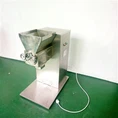
Hey there! I'm a supplier of ampoule machines, and I know how frustrating it can be when you're dealing with leakage issues in these machines. Leakage not only leads to product loss but can also affect the quality and safety of your products. In this blog, I'll share some practical tips on how to prevent leakage in an ampoule machine.
Understanding the Basics of an Ampoule Machine
Before we dive into prevention methods, let's quickly go over what an ampoule machine does. An ampoule machine is a crucial piece of equipment in the pharmaceutical and cosmetic industries. It's used to fill and seal ampoules, which are small, sealed vials that usually contain liquid medications or other sensitive substances. There are two main components that you need to know about: the Ampoule Filler and the Ampoule Sealer.
The ampoule filler is responsible for accurately measuring and dispensing the liquid into the ampoules. On the other hand, the ampoule sealer creates a hermetic seal on the ampoule to prevent any leakage or contamination. These two components work together in an Ampoule Machine to ensure the proper packaging of your products.
Common Causes of Leakage in Ampoule Machines
Leakage can occur due to several reasons. One of the most common causes is improper sealing. If the seal isn't tight enough, the liquid inside the ampoule can leak out. This could be because of issues with the sealing temperature, pressure, or the quality of the sealing material.
Another cause could be problems with the filling process. If the filler dispenses too much or too little liquid, it can affect the seal. Overfilling can put extra pressure on the seal, causing it to break, while underfilling might not allow the seal to form properly.
Mechanical wear and tear can also lead to leakage. Parts of the ampoule machine, such as the nozzles, valves, and seals, can wear out over time. When these parts are damaged or worn, they can cause inaccurate filling and poor sealing, resulting in leakage.
Preventive Measures
Regular Maintenance
Regular maintenance is key to preventing leakage in an ampoule machine. You should have a maintenance schedule in place and stick to it. This includes cleaning the machine regularly to remove any residue or debris that could affect its performance. Check the nozzles, valves, and seals for any signs of wear and tear. Replace any damaged parts immediately.
Lubricate the moving parts of the machine as recommended by the manufacturer. This will reduce friction and prevent premature wear. Also, make sure to calibrate the machine regularly to ensure accurate filling and sealing.
Quality Control of Ampoules
The quality of the ampoules themselves can also affect leakage. Use high - quality ampoules that are designed to work with your machine. Check the ampoules for any cracks, chips, or other defects before using them. Defective ampoules are more likely to leak, so it's important to remove them from the production line.
Proper Sealing Parameters
Getting the sealing parameters right is crucial. The sealing temperature, pressure, and time should be set according to the type of ampoule and the product being filled. If the temperature is too low, the seal might not be strong enough. On the other hand, if it's too high, it can damage the ampoule or the product inside.
Similarly, the pressure applied during sealing should be just right. Too much pressure can break the ampoule, while too little pressure won't create a proper seal. Experiment with different settings and find the optimal parameters for your specific application.
Training of Operators
Your machine is only as good as the people operating it. Make sure your operators are well - trained on how to use the ampoule machine correctly. They should know how to set the filling and sealing parameters, how to perform basic maintenance tasks, and how to troubleshoot common problems.
Provide regular training sessions to keep your operators updated on the latest techniques and best practices. Encourage them to report any issues or abnormalities they notice during the operation of the machine.
Monitoring and Inspection
Implement a monitoring and inspection system to catch any leakage issues early. You can use visual inspection methods to check the ampoules for signs of leakage after filling and sealing. You can also use more advanced techniques, such as pressure testing or leak detection equipment.
Keep records of the inspection results. This will help you identify any trends or recurring problems and take appropriate action.
Choosing the Right Ampoule Machine
As a supplier, I know that choosing the right ampoule machine is crucial for preventing leakage. Look for a machine that is reliable, easy to operate, and has good after - sales support. A high - quality machine will be less likely to develop leakage problems in the first place.
Consider the features of the machine, such as its filling accuracy, sealing quality, and ease of maintenance. Make sure the machine is compatible with the type of ampoules and products you are working with.
Conclusion
Preventing leakage in an ampoule machine requires a combination of proper maintenance, quality control, and operator training. By following the tips I've shared in this blog, you can significantly reduce the risk of leakage and ensure the quality and safety of your products.


If you're in the market for a new ampoule machine or need help with your existing one, don't hesitate to reach out. We're here to assist you in finding the best solution for your needs. Whether you have questions about the Ampoule Filler, Ampoule Sealer, or the complete Ampoule Machine, we're just a message away. Let's work together to make your production process more efficient and leak - free!
References
- Pharmaceutical Packaging Technology Handbook.
- Industry best practices for ampoule filling and sealing.