


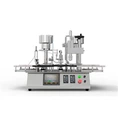
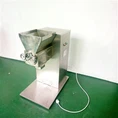
As a seasoned supplier of packing machines, I understand the critical role that the electrical system plays in the seamless operation of these machines. A well-functioning electrical system ensures precision, efficiency, and reliability in the packing process. However, like any complex system, electrical issues can arise, causing downtime and affecting productivity. In this blog post, I will share some valuable insights on how to troubleshoot the electrical system of a packing machine effectively.
Understanding the Electrical System of a Packing Machine
Before delving into troubleshooting, it's essential to have a basic understanding of the electrical components and their functions in a packing machine. The electrical system typically consists of the following key components:
- Power Supply: This is the source of electrical energy for the machine. It can be a single-phase or three-phase power supply, depending on the machine's requirements.
- Control Panel: The control panel houses the main control unit, which manages the machine's operation. It includes switches, buttons, indicators, and a programmable logic controller (PLC) or a microcontroller.
- Motors: Motors are used to drive various parts of the packing machine, such as conveyors, filling mechanisms, and sealing units. They can be AC or DC motors, and their speed and direction are controlled by the electrical system.
- Sensors: Sensors are used to detect the presence, position, and movement of products and components in the packing process. They provide feedback to the control system, allowing it to make adjustments and ensure accurate operation.
- Wiring and Connectors: Wiring and connectors are used to transmit electrical signals and power between different components of the machine. Loose or damaged wiring can cause electrical problems and affect the machine's performance.
Common Electrical Problems in Packing Machines
Now that we have a basic understanding of the electrical system, let's take a look at some common electrical problems that can occur in packing machines:
- Power Issues: This can include problems with the power supply, such as a blown fuse, a tripped circuit breaker, or a faulty power cord. Power issues can cause the machine to stop working or operate erratically.
- Control Panel Malfunctions: The control panel is the brain of the packing machine, and any malfunctions can lead to incorrect operation or complete shutdown. This can be caused by a faulty PLC, a damaged control board, or a problem with the software.
- Motor Failures: Motors are critical components of the packing machine, and any failures can cause the machine to stop working. This can be due to overheating, mechanical damage, or electrical problems, such as a short circuit or a broken winding.
- Sensor Problems: Sensors play a crucial role in the packing process, and any problems with them can lead to inaccurate operation or product defects. This can be caused by dirt, dust, or damage to the sensor, or a problem with the wiring or connection.
- Wiring and Connector Issues: Loose or damaged wiring and connectors can cause electrical problems and affect the machine's performance. This can be due to vibration, wear and tear, or improper installation.
Troubleshooting Steps
When faced with an electrical problem in a packing machine, it's important to follow a systematic approach to troubleshooting. Here are some steps that you can take to diagnose and resolve the issue:
Step 1: Safety First
Before starting any troubleshooting, it's essential to ensure your safety. Turn off the power supply to the machine and lock out the circuit breaker to prevent accidental startup. Wear appropriate personal protective equipment (PPE), such as gloves and safety glasses, to protect yourself from electrical hazards.
Step 2: Gather Information
Collect as much information as possible about the problem. Talk to the machine operator to understand the symptoms, such as when the problem occurred, what was happening at the time, and any error messages that were displayed. Check the machine's operating manual and maintenance records for any relevant information.
Step 3: Visual Inspection
Perform a visual inspection of the electrical system to look for any obvious signs of damage or wear. Check the wiring and connectors for loose connections, frayed wires, or signs of overheating. Look for any burnt or damaged components, such as fuses, relays, or circuit boards.
Step 4: Check the Power Supply
Use a multimeter to check the power supply to the machine. Measure the voltage at the power inlet to ensure that it is within the specified range. Check the circuit breaker and fuses to make sure they are not tripped or blown. If necessary, replace any faulty components.
Step 5: Test the Control Panel
If the control panel is not functioning properly, use a diagnostic tool or a programming software to test the PLC or microcontroller. Check the input and output signals to ensure that they are working correctly. Look for any error codes or fault messages that can provide clues about the problem.
Step 6: Check the Motors
Use a motor tester or a multimeter to check the motors for continuity, insulation resistance, and proper operation. Check the motor's wiring and connections to make sure they are secure. If the motor is not working, it may need to be replaced.
Step 7: Test the Sensors
Use a sensor tester or a multimeter to check the sensors for proper operation. Check the sensor's wiring and connections to make sure they are secure. If the sensor is not working, it may need to be replaced.
Step 8: Check the Wiring and Connectors
Inspect the wiring and connectors for any signs of damage or wear. Use a wire stripper and crimping tool to repair any loose or damaged connections. Make sure that all wiring is properly routed and secured to prevent future problems.
Step 9: Reset the Machine
After completing the troubleshooting steps, reset the machine and test it to see if the problem has been resolved. If the machine is still not working properly, repeat the troubleshooting steps or contact a qualified technician for further assistance.


Preventive Maintenance
In addition to troubleshooting, preventive maintenance is essential to keep the electrical system of a packing machine in good working condition. Here are some preventive maintenance tips that you can follow:
- Regular Inspections: Perform regular visual inspections of the electrical system to look for any signs of damage or wear. Check the wiring and connectors for loose connections, frayed wires, or signs of overheating.
- Cleaning and Lubrication: Keep the electrical components clean and free of dirt, dust, and debris. Use a soft brush or compressed air to clean the components. Lubricate the moving parts of the machine to prevent wear and tear.
- Calibration and Adjustment: Regularly calibrate and adjust the sensors, motors, and other components of the machine to ensure accurate operation. Follow the manufacturer's recommendations for calibration and adjustment intervals.
- Software Updates: Keep the machine's software up to date to ensure that it is running the latest version. Software updates can fix bugs, improve performance, and add new features.
- Training and Education: Provide training and education to the machine operators and maintenance personnel on the proper operation and maintenance of the packing machine. This can help prevent electrical problems and ensure the safe and efficient operation of the machine.
Conclusion
Troubleshooting the electrical system of a packing machine requires a systematic approach and a basic understanding of the electrical components and their functions. By following the troubleshooting steps outlined in this blog post and implementing preventive maintenance measures, you can minimize downtime, improve productivity, and ensure the reliable operation of your packing machine.
If you are experiencing electrical problems with your packing machine or need assistance with troubleshooting or maintenance, please don't hesitate to contact us. As a leading supplier of Labeling Machine, Labeling Machine, and Bottle Labeling Machine, we have the expertise and experience to provide you with the support you need. We offer a wide range of packing machines and services to meet your specific requirements. Contact us today to learn more about our products and services and to discuss your packing machine needs.
References
- "Packaging Machinery Handbook" by Charles W. Hall
- "Electrical Troubleshooting for Industrial Equipment" by William C. Boyes
- Manufacturer's operating manuals and maintenance guides for packing machines