


Hey there! As a supplier of mixing equipment, I often get asked about the differences between batch and continuous mixing equipment. It's a crucial topic, especially if you're in the market for the right mixing solution for your business. So, let's dive right in and break down these two types of mixing equipment.
Batch Mixing Equipment
First off, let's talk about batch mixing equipment. Batch mixers work by combining ingredients in a single, predefined quantity. You load all the materials into the mixer at once, let it do its thing for a set amount of time, and then discharge the fully - mixed product.
One of the big advantages of batch mixing is its flexibility. You can easily change the recipe or the quantity of the mixture from one batch to the next. This is great for businesses that need to produce a variety of products with different formulations. For example, if you're making different flavors of snacks, you can quickly switch between batches of different flavors without much hassle.
Another plus is quality control. Since each batch is mixed separately, it's easier to monitor and adjust the mixing process. You can take samples during the mixing process to ensure that the mixture meets your quality standards. If something goes wrong with one batch, it doesn't affect the others.
However, batch mixing also has its drawbacks. It can be time - consuming, especially if you need to produce large quantities. You have to wait for one batch to finish before starting the next one. And because you're constantly loading and unloading materials, there's more downtime between batches. This can lead to lower overall productivity, especially in high - volume production settings.
Continuous Mixing Equipment
Now, let's move on to continuous mixing equipment. Continuous mixers, as the name suggests, continuously feed ingredients into the mixer and continuously discharge the mixed product. This creates a steady stream of mixed material.
One of the main benefits of continuous mixing is its high productivity. Since there's no need to stop and start between batches, you can keep the production line running continuously. This is ideal for large - scale manufacturing operations where high volumes need to be produced quickly. For instance, in the production of plastics or chemicals, continuous mixers can churn out large amounts of product in a short period.
Continuous mixing also offers better consistency. Because the ingredients are constantly being fed and mixed in a controlled manner, the final product has a more uniform quality throughout the production run. This is important for industries where product consistency is critical, like the pharmaceutical industry.
But continuous mixing isn't without its challenges. It's less flexible than batch mixing. Once the continuous mixing process is set up, it's difficult to make quick changes to the recipe or the production rate. You need to carefully plan your production in advance and make sure that you have a stable supply of ingredients. Also, if there's a problem with the continuous mixing process, it can affect a large amount of product before it's detected.
Key Differences
Let's summarize the key differences between batch and continuous mixing equipment:
1. Production Volume and Speed
Batch mixers are better for small - to medium - scale production or when you need to produce different products in small quantities. They're slower because of the batch - by - batch operation. Continuous mixers, on the other hand, are designed for high - volume production and can operate at a much faster pace.
2. Flexibility
Batch mixers offer high flexibility. You can easily change the recipe, quantity, or production schedule. Continuous mixers are less flexible and are better suited for long - term, consistent production runs.
3. Quality Control
Batch mixing allows for more hands - on quality control. You can monitor each batch individually. In continuous mixing, quality control is more about maintaining a stable process to ensure consistent product quality.
4. Cost
The cost of batch mixers is generally lower, especially for small - scale operations. However, when it comes to large - scale production, continuous mixers can be more cost - effective in the long run because of their higher productivity.
Which One Should You Choose?
The choice between batch and continuous mixing equipment depends on several factors. If you're a small business that produces a variety of products in small quantities, a batch mixer might be the way to go. It gives you the flexibility to experiment with different recipes and adjust your production as needed.
On the other hand, if you're a large - scale manufacturer with a high - volume, consistent production demand, a continuous mixer will likely be more suitable. It can help you meet your production targets more efficiently and ensure product consistency.


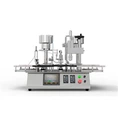
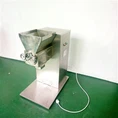
As a mixing equipment supplier, I've seen firsthand how the right choice of mixer can make a huge difference in a business's operations. We offer a wide range of Mixing Equipment to suit different needs. Whether you're looking for a batch mixer or a continuous mixer, we can help you find the perfect solution.
In addition to mixing equipment, we also provide related machinery like Granulator Machine and Pulverizer. These machines can work in conjunction with your mixing equipment to create a complete production line.
If you're in the market for mixing equipment or have any questions about batch and continuous mixers, don't hesitate to reach out. We're here to help you make an informed decision and get the most out of your production process.
References
- "Mixing Technology Handbook" by Paul E. Myers
- "Industrial Mixing: Science and Practice" by Edward L. Paul, Victor A. Atiemo - Obeng, and Suzanne M. Kresta