


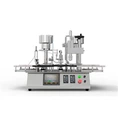
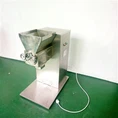
As a packing machine supplier, I understand the importance of properly training operators to use our equipment. A well - trained operator can not only ensure the efficient and smooth operation of the packing machine but also extend its service life and reduce the occurrence of production accidents. In this blog, I will share some key steps and methods on how to train operators to use a packing machine.
Pre - training Preparation
Before starting the actual training, several important preparatory work needs to be done. First of all, we should provide operators with detailed technical manuals and operation guides for the packing machine. These materials should include machine specifications, performance parameters, safety precautions, and basic operation steps. For example, if it is a Blister Packaging Machine, the manual should describe in detail how to set the temperature, forming time, and cutting parameters according to different packaging materials and product requirements.
Secondly, it is necessary to create a safe and suitable training environment. The training site should be clean, well - ventilated, and have sufficient space for operators to move around. All safety devices on the packing machine should be in good working condition, and emergency stop buttons should be easily accessible. At the same time, necessary protective equipment such as gloves, goggles, and safety shoes should be prepared for operators.
Basic Knowledge Training
The first stage of training is to impart basic knowledge about the packing machine to operators. This includes understanding the structure and working principle of the machine. We can use pictures, videos, and on - site demonstrations to explain to operators the main components of the packing machine, such as the feeding system, forming system, sealing system, and cutting system. For instance, in a Blister Packing Machine, the feeding system is responsible for delivering products to the blister forming area, the forming system heats and molds the plastic film into the desired blister shape, the sealing system seals the blister with the backing material, and the cutting system cuts the formed and sealed blisters into individual units.
In addition, operators should also learn about different types of packaging materials and their characteristics. Different products may require different packaging materials, such as plastic films, paperboards, and aluminum foils. Operators need to know how to select the appropriate packaging material according to the product's properties, such as moisture - proof, air - tight, and light - proof requirements. They should also understand how to adjust the machine settings according to the thickness and quality of the packaging material.
Practical Operation Training
After the basic knowledge training, it is time for practical operation training. This is the most important part of the whole training process. We should start with simple operations and gradually increase the difficulty level.


-
Startup and Shutdown Procedures
- Operators need to learn the correct startup and shutdown procedures of the packing machine. They should know how to turn on the power supply, check the machine's status indicators, and perform pre - startup inspections, such as checking the lubrication of moving parts and the tension of conveyor belts. For example, before starting a Labeling Machine, operators should ensure that the label roll is installed correctly and the labeling head is properly adjusted.
- When shutting down the machine, operators should follow the specified steps to avoid damage to the machine. This may include stopping the feeding system first, waiting for the machine to complete the remaining operations, and then turning off the power supply.
-
Parameter Setting and Adjustment
- One of the key skills for operators is to be able to set and adjust the machine parameters according to different product requirements. For a packing machine, parameters such as speed, temperature, pressure, and time need to be accurately set. For example, in a heat - sealing packing machine, the sealing temperature and time are crucial for ensuring a good seal. Operators should be trained to use the control panel to input and modify these parameters. They should also learn how to troubleshoot when the parameters are not set correctly, such as how to deal with over - heating or under - sealing problems.
-
Product Loading and Unloading
- Operators need to master the correct way of loading products into the packing machine and unloading the packed products. They should ensure that the products are placed in the correct position and orientation in the machine to avoid jams and mis - packing. For example, in a blister packing machine, products need to be accurately placed in the blister cavities. Operators should also be trained to handle different types of products, whether they are small pills or large - sized items.
-
Maintenance and Cleaning
- Regular maintenance and cleaning of the packing machine are essential for its long - term operation. Operators should be trained on how to perform daily maintenance tasks, such as cleaning the machine's surface, lubricating moving parts, and checking the tightness of bolts and nuts. They should also know how to replace worn - out parts and perform simple repairs. For example, in a labeling machine, the labeling head may need to be cleaned regularly to ensure accurate label application, and the label dispenser belt may need to be replaced when it is worn.
Safety Training
Safety is always the top priority when operating a packing machine. Operators should receive comprehensive safety training.
- General Safety Rules
- Operators should be informed of general safety rules in the workshop, such as wearing appropriate protective equipment at all times, not wearing loose clothing or jewelry that may get caught in the machine, and not operating the machine when they are tired or under the influence of alcohol or drugs.
- Machine - Specific Safety Precautions
- Each packing machine has its own specific safety precautions. For example, in a high - speed packing machine, operators should stay away from the moving parts during operation to avoid being injured. In a machine with a heating system, operators should be careful not to touch the hot parts to prevent burns. They should also know how to use the emergency stop button in case of an emergency.
Problem - Solving Training
Even with proper operation and maintenance, problems may still occur during the operation of the packing machine. Operators should be trained to identify and solve common problems.
- Common Fault Diagnosis
- Operators should learn to recognize the symptoms of common faults, such as abnormal noises, vibrations, or error messages on the control panel. For example, if a packing machine makes a loud noise during operation, it may indicate a problem with the bearings or the transmission system. By observing these symptoms, operators can quickly diagnose the possible cause of the fault.
- Troubleshooting Methods
- Once a fault is diagnosed, operators should know how to take appropriate troubleshooting methods. This may include checking the electrical connections, adjusting the machine parameters, or replacing faulty parts. We can provide operators with a troubleshooting guide that lists common faults and their corresponding solutions.
Continuous Training and Improvement
Training is not a one - time event. As the technology of packing machines is constantly evolving and new products and packaging requirements emerge, operators need to receive continuous training. We can organize regular training sessions to update operators' knowledge and skills. We can also encourage operators to share their experiences and problems in the operation process, and jointly find solutions to improve the overall operation efficiency of the packing machine.
Conclusion
Properly training operators to use a packing machine is a complex but necessary task. By following the steps and methods mentioned above, we can ensure that operators have the necessary knowledge and skills to operate the machine safely and efficiently. As a packing machine supplier, we are committed to providing high - quality training services to our customers to help them make the most of our products.
If you are interested in our packing machines or need more information about our training services, please feel free to contact us for further procurement discussions.
References
- Industry standards and guidelines for packing machine operation and training.
- Manufacturer's technical manuals and operation guides for packing machines.