


Hey there! As a supplier of granulators, I often get asked about the lifespan of these machines. It's a crucial question, especially for those looking to invest in a granulator for their business. So, let's dive right in and explore what factors influence the lifespan of a granulator and how you can maximize it.
First off, what exactly is a granulator? Well, it's a machine used to break down large materials into smaller, more manageable granules. These granules can then be used in a variety of industries, like pharmaceuticals, food processing, and plastics manufacturing. Granulators come in different sizes and types, each designed for specific applications.
Now, let's talk about the lifespan. The lifespan of a granulator can vary widely depending on several factors. One of the most significant factors is the quality of the machine itself. High - quality granulators built with durable materials and advanced manufacturing techniques tend to last longer. Cheaper, lower - quality models might save you some money upfront, but they're likely to break down more frequently and have a shorter overall lifespan.
Another key factor is how the granulator is used. If it's operated within its recommended capacity and under normal working conditions, it'll probably last a long time. However, if it's constantly overloaded with materials or used in harsh environments, its lifespan will be significantly reduced. For example, if you're using a granulator to process abrasive materials without proper maintenance, the blades and other components will wear out much faster.
Maintenance also plays a huge role in determining the lifespan of a granulator. Regular maintenance, such as cleaning, lubricating, and inspecting the machine, can prevent many common problems. You should also replace worn - out parts promptly. For instance, the blades of a granulator are crucial for its operation. Over time, they'll become dull and need to be replaced. Ignoring this can not only affect the performance of the granulator but also cause damage to other parts of the machine.
On average, a well - maintained and high - quality granulator can last anywhere from 10 to 20 years. But this is just a rough estimate. Some granulators might last even longer, while others could have a shorter lifespan due to the factors we've discussed.
Let's take a closer look at the different components of a granulator and how they can impact its lifespan.
Blades
The blades are the heart of a granulator. They're responsible for cutting and shredding the materials. As I mentioned earlier, they can wear out quickly, especially if they're used to process hard or abrasive materials. The type of blades also matters. Some blades are made from high - quality steel that can withstand more wear and tear. You can extend the life of the blades by using them properly and keeping them sharp. If you're interested in other related machines, check out our Pulverizer which also has important cutting and grinding functions.
Motors
The motor provides the power for the granulator to operate. A good - quality motor with proper cooling and ventilation can last a long time. However, if the motor is overworked or exposed to excessive heat, it can fail prematurely. Make sure to check the motor regularly for any signs of overheating or unusual noises.
Bearings
Bearings are used to support the rotating parts of the granulator. They need to be properly lubricated to reduce friction and prevent wear. If the bearings are not maintained well, they can seize up, which can cause serious damage to the granulator.
Housing and Frame
The housing and frame of the granulator provide structural support. They should be made from strong and durable materials. A well - built housing can protect the internal components from damage and ensure the stability of the machine.
Now, let's talk about how you can maximize the lifespan of your granulator.
Training
Make sure your operators are properly trained to use the granulator. They should know how to load the materials correctly, set the right speed, and troubleshoot common problems. This can prevent a lot of unnecessary damage to the machine.
Quality Control of Input Materials
Inspect the materials before feeding them into the granulator. Remove any foreign objects or contaminants that could damage the blades or other components.

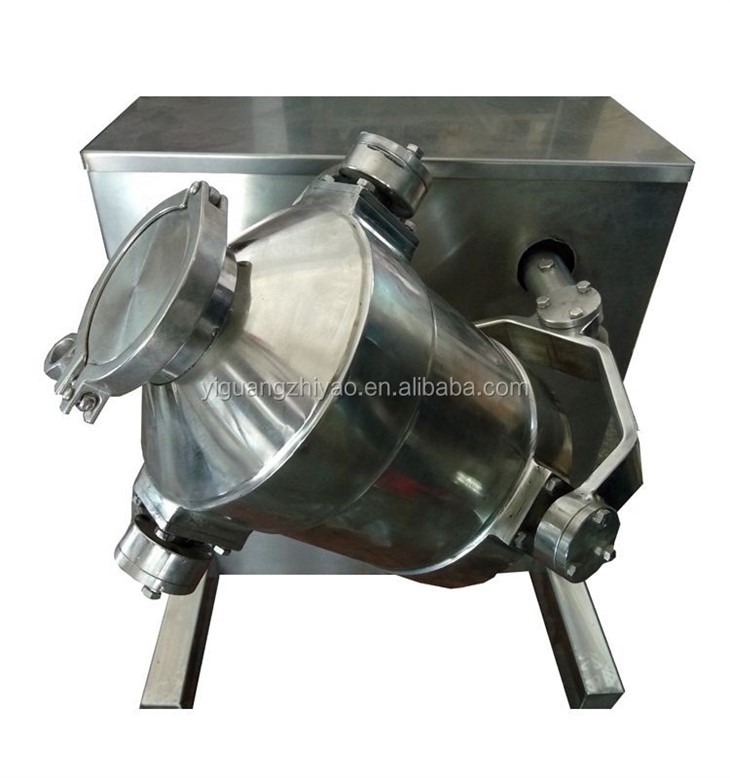
Regular Maintenance Schedule
Create a detailed maintenance schedule and stick to it. This should include daily, weekly, monthly, and yearly maintenance tasks. For example, daily cleaning, weekly lubrication, monthly inspections, and yearly major overhauls.
Upgrades
As technology advances, consider upgrading your granulator. Some upgrades can improve the performance and efficiency of the machine, as well as extend its lifespan.
In addition to granulators, we also offer a range of Mixing Equipment and Mixing Machine which can be used in conjunction with granulators in many industries. These machines also have their own lifespan considerations, but with proper care, they can serve you well for a long time.
If you're in the market for a granulator or need advice on how to maintain your existing one, don't hesitate to reach out to us. We've got a team of experts who can help you make the right choice and ensure that your granulator lasts as long as possible. Whether you're a small - scale business or a large industrial operation, we've got the right granulator for you. Contact us today to start the conversation about your granulator needs!
References
- "Industrial Granulator Handbook" - A comprehensive guide on granulator operation and maintenance.
- "Materials Processing Machinery: Principles and Applications" - A book that covers the design and functionality of various processing machines, including granulators.