


As a supplier of capsule machines, I understand the importance of efficiency and cost - effectiveness in the pharmaceutical and nutraceutical industries. One of the key challenges that manufacturers face is reducing the waste rate of capsule machines. A high waste rate not only increases production costs but also affects the overall productivity and profitability of the business. In this blog post, I will share some practical strategies on how to reduce the waste rate of a capsule machine.
1. Regular Maintenance and Calibration
Regular maintenance is the cornerstone of reducing waste in capsule machines. Over time, the mechanical components of the machine can wear out, leading to misalignments and inaccurate dosing. For example, the filling nozzles may become clogged or damaged, resulting in uneven filling of capsules. By performing routine maintenance tasks such as cleaning, lubricating, and inspecting the machine, you can ensure that all components are in good working condition.
Calibration is also crucial. The dosing system of a capsule machine needs to be calibrated regularly to ensure accurate filling. Even a small deviation in the filling amount can lead to a significant increase in waste. Most modern capsule machines come with calibration tools and procedures. By following the manufacturer's guidelines and using precision measuring instruments, you can adjust the dosing system to the correct specifications. This will help to ensure that each capsule is filled with the exact amount of product, reducing the number of under - filled or over - filled capsules.
2. Operator Training
Well - trained operators are essential for minimizing waste in capsule production. Operators should be familiar with the operation and maintenance of the capsule machine. They should know how to set up the machine correctly, adjust the parameters, and troubleshoot common problems. For instance, they should be able to identify when the machine is not functioning properly and take appropriate action to prevent waste.
Training programs should cover topics such as machine operation, safety procedures, quality control, and waste reduction techniques. Operators should also be trained on how to handle different types of capsule materials and products. By providing comprehensive training, you can ensure that your operators are equipped with the knowledge and skills needed to operate the capsule machine efficiently and effectively.
3. Quality Control of Raw Materials
The quality of raw materials used in capsule production has a direct impact on the waste rate. Low - quality capsule shells or filling materials can cause problems such as cracking, leaking, or improper filling. For example, if the capsule shells are not of uniform thickness, they may not fit properly on the machine, leading to misalignment and waste.


Before using any raw materials, it is important to conduct thorough quality control checks. Capsule shells should be inspected for defects such as cracks, holes, or uneven surfaces. The filling materials should be tested for purity, particle size, and flowability. By using high - quality raw materials, you can reduce the likelihood of production problems and waste.
4. Process Optimization
Optimizing the capsule production process can also help to reduce waste. This involves analyzing each step of the process and identifying areas where improvements can be made. For example, you can adjust the speed of the machine to match the flow rate of the filling material. If the machine is running too fast, it may not be able to fill the capsules accurately, resulting in waste. On the other hand, if the machine is running too slow, it may reduce productivity.
You can also optimize the filling process by using the right type of filling method. There are different filling methods available for capsule machines, such as volumetric filling and gravimetric filling. Volumetric filling is suitable for products with consistent density, while gravimetric filling is more accurate for products with variable density. By choosing the appropriate filling method, you can ensure more accurate dosing and reduce waste.
5. Use of Advanced Technology
Investing in advanced capsule machine technology can significantly reduce the waste rate. Modern capsule machines are equipped with features such as automatic rejection systems, which can detect and remove defective capsules from the production line. These systems use sensors to identify capsules that are under - filled, over - filled, or have other defects. By automatically rejecting these capsules, the machine can prevent them from being packaged and sold, reducing waste.
Another advanced technology is the use of vision inspection systems. These systems use cameras and image processing software to inspect the capsules for defects such as cracks, chips, or improper sealing. Vision inspection systems can detect even the smallest defects, ensuring that only high - quality capsules are packaged.
6. Monitoring and Data Analysis
Monitoring the production process and analyzing data can provide valuable insights into the waste rate of the capsule machine. By collecting data on factors such as the number of defective capsules, the amount of product wasted, and the production speed, you can identify trends and patterns. For example, you may notice that the waste rate increases during certain shifts or when using a particular batch of raw materials.
Based on this data, you can take corrective actions to reduce waste. You can adjust the production process, change the raw materials, or provide additional training to the operators. By continuously monitoring and analyzing the data, you can make informed decisions to improve the efficiency and reduce the waste rate of the capsule machine.
7. Selection of the Right Capsule Machine
Choosing the right capsule machine for your production needs is crucial for reducing waste. Different capsule machines are designed for different production volumes, types of products, and capsule sizes. For example, if you are producing small - volume, high - value products, you may need a more precise and flexible capsule machine. On the other hand, if you are producing large - volume, low - cost products, a high - speed capsule machine may be more suitable.
When selecting a capsule machine, you should consider factors such as the machine's accuracy, reliability, ease of operation, and maintenance requirements. You can also look for machines that are compatible with different types of capsule materials and filling methods. By choosing the right capsule machine, you can ensure that your production process is efficient and waste - free.
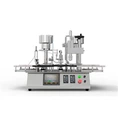
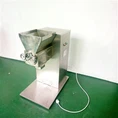
As a capsule machine supplier, we offer a wide range of high - quality capsule machines, including Capsule Filler Machine, Capsule Counting Machine, and Soft Capsule Machine. Our machines are designed to be efficient, reliable, and easy to operate, helping you to reduce the waste rate and improve your production efficiency.
If you are interested in learning more about our capsule machines or have any questions about reducing the waste rate of your capsule production, please feel free to contact us. We are committed to providing you with the best solutions and support to meet your production needs.
References
- Pharmaceutical Manufacturing Handbook: Production and Processes. Edited by S. C. Gad.
- Handbook of Encapsulation and Controlled Release. Edited by David J. Burgess.
- Capsule Technology and Drug Delivery. By John M. Newton.