


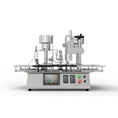
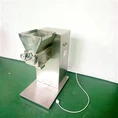
Installing mixing equipment in a factory is a complex process that requires careful planning, technical expertise, and adherence to safety standards. As a leading mixing equipment supplier, we understand the challenges and intricacies involved in this task. In this blog post, we will guide you through the step-by-step process of installing mixing equipment in a factory, ensuring a smooth and efficient setup.
Step 1: Site Assessment and Preparation
Before the installation process begins, a thorough site assessment is essential. This involves evaluating the factory floor space, structural integrity, and utility connections. Our team of experts will visit your factory to assess the site and determine the most suitable location for the mixing equipment. We will consider factors such as accessibility, ventilation, and proximity to raw materials and storage areas.
Once the site has been assessed, the next step is to prepare the area for installation. This may involve clearing the space, leveling the floor, and making any necessary modifications to the existing infrastructure. We will work closely with your factory staff to minimize disruption to your operations during this phase.
Step 2: Equipment Selection and Delivery
As a mixing equipment supplier, we offer a wide range of products to meet the diverse needs of our customers. Our team of experts will work with you to understand your specific requirements and recommend the most suitable equipment for your factory. We will consider factors such as the type of materials to be mixed, the desired mixing capacity, and the level of automation required.
Once the equipment has been selected, we will arrange for its delivery to your factory. Our logistics team will ensure that the equipment is transported safely and securely, and will provide you with a delivery schedule so that you can plan accordingly.
Step 3: Installation and Assembly
The installation and assembly of the mixing equipment are critical steps in the process. Our team of experienced technicians will arrive at your factory with all the necessary tools and equipment to carry out the installation. They will follow a detailed installation plan to ensure that the equipment is installed correctly and safely.
The installation process may involve several stages, including the installation of the mixing vessel, the mounting of the mixing blades, and the connection of the power and control systems. Our technicians will work closely with your factory staff to ensure that the installation process is carried out smoothly and efficiently.
Step 4: Testing and Commissioning
Once the mixing equipment has been installed and assembled, it is important to test it thoroughly to ensure that it is functioning properly. Our technicians will conduct a series of tests to check the performance of the equipment, including the mixing efficiency, the temperature control, and the safety features.
During the testing phase, we will also train your factory staff on how to operate and maintain the mixing equipment. Our training program is designed to provide your staff with the knowledge and skills they need to use the equipment safely and effectively.
Once the testing and commissioning process is complete, we will provide you with a detailed report on the performance of the equipment. This report will include any recommendations for improvement or maintenance that may be required.


Step 5: Maintenance and Support
At [Our Company], we believe that providing ongoing maintenance and support is essential to ensure the long-term performance and reliability of your mixing equipment. We offer a comprehensive maintenance program that includes regular inspections, servicing, and repair of the equipment.
Our team of technicians is available 24/7 to provide you with technical support and assistance. We also offer a range of spare parts and accessories to ensure that your equipment is always up and running.
Additional Considerations
In addition to the steps outlined above, there are several other factors that you should consider when installing mixing equipment in a factory. These include:
- Safety: Safety is our top priority at [Our Company]. We will ensure that all safety measures are in place during the installation process, including the installation of safety guards, emergency stop buttons, and fire suppression systems.
- Compliance: It is important to ensure that the mixing equipment you install in your factory complies with all relevant safety and environmental regulations. Our team of experts will ensure that the equipment we supply meets all the necessary standards and regulations.
- Training: As mentioned earlier, we offer a comprehensive training program for your factory staff. This training program is designed to provide your staff with the knowledge and skills they need to use the equipment safely and effectively.
- Cost: The cost of installing mixing equipment in a factory can vary depending on several factors, including the type of equipment, the size of the factory, and the complexity of the installation. Our team of experts will work with you to provide you with a detailed cost estimate and to help you find the most cost-effective solution for your factory.
Conclusion
Installing mixing equipment in a factory is a complex process that requires careful planning, technical expertise, and adherence to safety standards. As a leading mixing equipment supplier, we have the experience and expertise to help you install the right equipment in your factory.
If you are interested in learning more about our mixing equipment or our installation services, please visit our website at [Our Website] or contact us at [Our Email Address]. We look forward to hearing from you and helping you find the perfect solution for your factory.
References
- "Industrial Mixers: Principles and Applications" by John Wiley & Sons
- "Mixing Equipment Handbook" by Chemical Engineering Publications
- "Safety Guidelines for the Installation of Mixing Equipment" by Occupational Safety and Health Administration (OSHA)