


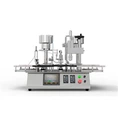
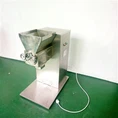
Storing mixing equipment properly when it's not in use is crucial for maintaining its performance, extending its lifespan, and ensuring safety. As a trusted supplier of mixing equipment, including Pulverizer, Industrial Mixers, and Pulverizer Machine, we understand the significance of correct storage practices. In this blog, we'll explore the best ways to store your mixing equipment to keep it in top - notch condition.
Pre - storage Preparation
Cleaning
Before storing any mixing equipment, thorough cleaning is essential. Residues of materials that were being mixed can cause corrosion, jamming, or other mechanical issues over time. For example, in the case of industrial mixers used in food processing, food particles left behind can attract pests and lead to mold growth.
Start by disassembling the equipment as much as possible according to the manufacturer's instructions. Use appropriate cleaning agents. For equipment that has been in contact with chemicals, ensure the cleaning agent is compatible with the residues and the equipment's materials. Rinse all parts thoroughly to remove any cleaning agent residues. Dry the parts completely using a clean, lint - free cloth or by air - drying in a well - ventilated area.
Inspection
Conduct a detailed inspection of the equipment. Look for signs of wear and tear, such as damaged belts, worn gears, or loose connections. Check the electrical components for any signs of frayed wires or faulty insulation, especially in electric mixing equipment. If any issues are found, it's advisable to repair them before storage. This not only prevents further damage during storage but also ensures that the equipment is ready for immediate use when needed again.
Lubrication
Applying a suitable lubricant to moving parts can prevent rust and corrosion during storage. Identify all the moving components like bearings, shafts, and gears. Use a high - quality lubricant recommended by the equipment manufacturer. Apply the lubricant evenly and wipe off any excess to avoid attracting dust and debris.
Choosing the Right Storage Location
Environment
The storage environment plays a vital role in the condition of the mixing equipment. Choose a dry location to prevent rust and corrosion. High humidity can cause metal parts to rust, and moisture can damage electrical components. A temperature - controlled environment is also ideal, as extreme temperatures can affect the performance and integrity of the equipment.
For example, very low temperatures can make some plastics brittle, while high temperatures can cause lubricants to break down. Avoid storing the equipment in areas prone to flooding, direct sunlight, or strong winds, as these can all have a negative impact on the equipment.
Space
Ensure that there is enough space to store the equipment without overcrowding. Overcrowding can lead to damage during storage, as equipment may knock into each other. If possible, store the equipment in an area where it can be easily accessed for maintenance checks.
Security
The storage area should be secure to prevent theft and unauthorized access. This is especially important for expensive mixing equipment. Install locks on storage rooms or containers and consider using security cameras if necessary.
Storage Methods
Indoor Storage
Indoor storage is often the best option for mixing equipment. It provides protection from the elements and helps maintain a stable environment. You can use storage racks or shelves to keep the equipment organized and off the ground. This not only saves space but also reduces the risk of damage from floor moisture or accidental spills.
For larger equipment that cannot be placed on shelves, use pallets to raise it off the floor. Wrap the equipment in protective covers made of materials like polyethylene or canvas to prevent dust and scratches. These covers can also provide an extra layer of protection against minor impacts.
Outdoor Storage
If indoor storage is not available, outdoor storage can be used as a last resort. However, it requires additional precautions. First, build a sturdy shelter to protect the equipment from rain, snow, and direct sunlight. The shelter should have a sloped roof to ensure proper drainage.
Cover the equipment with heavy - duty, weatherproof tarps. Secure the tarps tightly to prevent them from being blown off by strong winds. Regularly check the tarps for any signs of damage and replace them if necessary.
Maintenance During Storage
Regular Checks
Even when the equipment is in storage, it needs to be checked periodically. Every few months, inspect the equipment for signs of corrosion, pest infestation, or any mechanical issues. Check the lubrication levels and re - apply if necessary.
If the equipment is equipped with batteries, remove them if possible to prevent leakage and damage to the equipment. Store the batteries separately in a cool, dry place and check their charge levels occasionally.
Function Testing
Periodically perform a basic function test on the equipment, especially if it has been in storage for an extended period. This can help identify any potential issues that may have developed during storage. However, before conducting the test, ensure that all safety measures are in place.
Safety Considerations
Power Disconnection
Before storing any electrical mixing equipment, make sure it is completely disconnected from the power source. Remove any power cords and switch off all electrical circuits associated with the equipment. This prevents the risk of electrical shock and also protects the equipment from power surges.


Lockout/Tagout Procedures
For industrial - grade mixing equipment, follow lockout/tagout procedures. This involves isolating the equipment from its energy sources and applying locks and tags to prevent accidental startup. This is a critical safety measure to protect anyone who may be working on or around the equipment during storage.
Conclusion
Proper storage of mixing equipment when not in use is a multi - faceted process that involves pre - storage preparation, choosing the right storage location, using appropriate storage methods, and conducting regular maintenance. By following these guidelines, you can ensure that your mixing equipment remains in excellent condition, ready for use whenever you need it.
As a leading supplier of high - quality mixing equipment, including Pulverizer, Industrial Mixers, and Pulverizer Machine, we are committed to providing our customers with not only top - notch products but also valuable guidance on how to care for them. If you're considering purchasing new mixing equipment or need advice on storage and maintenance, we invite you to reach out to us for a detailed discussion. Our team of experts is ready to assist you in making the best decisions for your business needs.
References
- Manufacturer's manuals for various mixing equipment
- Industry standards for equipment storage and maintenance