


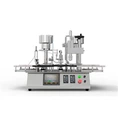
As a capping machine supplier, I understand the critical importance of ensuring the long - term operation of these machines. Capping machines play a vital role in various industries, such as pharmaceuticals, food and beverage, and cosmetics. A well - maintained capping machine can significantly enhance productivity, reduce costs, and ensure product quality. In this blog, I will share some key strategies on how to ensure the long - term operation of a capping machine.
Regular Maintenance and Inspection
One of the fundamental steps in ensuring the long - term operation of a capping machine is regular maintenance and inspection. Just like any other mechanical equipment, capping machines are subject to wear and tear over time. By conducting routine maintenance, you can identify and address potential issues before they escalate into major problems.
Scheduled Lubrication
Lubrication is essential for the smooth operation of a capping machine. Moving parts, such as gears, bearings, and conveyor belts, need to be properly lubricated to reduce friction and prevent premature wear. Follow the manufacturer's guidelines on the type of lubricant to use and the frequency of lubrication. For example, some capping machines may require lubrication after every 50 hours of operation, while others may have different intervals.
Cleaning
Regular cleaning is another crucial aspect of maintenance. Residues from products, such as liquids, powders, or granules, can accumulate on the machine's components, leading to blockages, corrosion, and reduced performance. Use appropriate cleaning agents and follow the recommended cleaning procedures. For instance, in a Vial Capping Machine, the capping heads and the conveyor system should be cleaned regularly to prevent product build - up.
Component Inspection
Inspect all the components of the capping machine regularly. Check for signs of wear, damage, or misalignment. Replace any worn - out parts immediately to avoid further damage to the machine. Pay special attention to critical components such as capping heads, sealing mechanisms, and sensors. For example, if the capping head is not properly aligned, it may result in inconsistent capping quality.
Operator Training
Well - trained operators are essential for the long - term operation of a capping machine. Operators should be familiar with the machine's operation, maintenance, and safety procedures.
Initial Training
Provide comprehensive initial training to new operators. This training should cover the basic principles of the capping machine, how to operate it safely, and how to perform routine maintenance tasks. Use hands - on training sessions, videos, and manuals to ensure that operators understand all aspects of the machine.
Refresher Training
Conduct regular refresher training sessions to keep operators updated on the latest operation techniques and safety regulations. This is especially important when there are changes in the machine's software, hardware, or operating procedures.
Safety Training
Safety should be a top priority in operator training. Train operators on how to use personal protective equipment (PPE), such as gloves and safety glasses, and how to avoid potential hazards, such as moving parts and electrical components.
Quality of Components and Spare Parts
The quality of components and spare parts used in the capping machine can have a significant impact on its long - term operation.
High - Quality Components
Invest in high - quality components when purchasing a capping machine. High - quality components are more durable, reliable, and less likely to fail. For example, using high - quality motors and sensors can improve the overall performance and longevity of the machine.
Genuine Spare Parts
When replacing parts, always use genuine spare parts recommended by the manufacturer. Genuine spare parts are designed to fit the machine perfectly and meet the required quality standards. Using non - genuine parts may void the machine's warranty and can lead to compatibility issues and reduced performance.
Environmental Considerations
The environment in which the capping machine operates can also affect its long - term performance.
Temperature and Humidity
Maintain a stable temperature and humidity level in the operating environment. Extreme temperatures and high humidity can cause damage to the machine's electronic components, corrosion of metal parts, and affect the performance of sealing materials. For example, in a hot and humid environment, the capping machine may experience problems with the adhesion of caps.
Dust and Contamination
Keep the operating area clean and free from dust and contaminants. Dust can enter the machine's components, causing abrasion and damage. Use proper ventilation systems and air filters to reduce the amount of dust in the environment.
Monitoring and Data Analysis
Monitoring the performance of the capping machine and analyzing the data can help in identifying potential issues and optimizing its operation.
Performance Monitoring
Install monitoring systems to track the machine's performance parameters, such as capping speed, torque, and capping quality. These systems can provide real - time data on the machine's operation, allowing operators to detect any deviations from the normal operating conditions.
Data Analysis
Analyze the collected data regularly to identify trends and patterns. For example, if the capping torque is gradually decreasing over time, it may indicate a problem with the capping head or the sealing mechanism. By analyzing the data, you can take proactive measures to address the issue before it affects the production process.
Upgrades and Modernization
As technology advances, it may be necessary to upgrade and modernize the capping machine to improve its performance and extend its service life.
Software Upgrades
Software upgrades can enhance the functionality of the capping machine. New software versions may offer improved control algorithms, better user interfaces, and additional features. For example, an upgraded software may provide more accurate capping torque control.


Hardware Upgrades
Consider upgrading some of the hardware components of the capping machine. For instance, replacing an old conveyor system with a more advanced one can improve the machine's throughput and reliability. However, before making any upgrades, ensure that they are compatible with the existing machine and do not void the warranty.
In conclusion, ensuring the long - term operation of a capping machine requires a comprehensive approach that includes regular maintenance, operator training, using high - quality components, considering the environmental factors, monitoring and data analysis, and upgrades. By implementing these strategies, you can maximize the performance and lifespan of your capping machine, and ultimately, improve the efficiency and profitability of your production process. If you are interested in our Capping Machine or Vial Filling Machine, please feel free to contact us for more information and to discuss your specific requirements.
References
- Manufacturer's manuals for capping machines
- Industry standards and best practices for capping machine operation and maintenance
- Technical articles on capping machine technology and performance optimization