


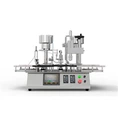
Hey there! I'm a supplier of ampoule sealers, and I know how crucial it is to have your equipment calibrated correctly. A well - calibrated ampoule sealer ensures the quality and integrity of your products, so let's dive into how you can do it right.
Why Calibration Matters
First off, why should you even bother with calibration? Well, an ampoule sealer that's out of calibration can lead to all sorts of problems. You might end up with poorly sealed ampoules, which can allow contaminants in or let the contents leak out. This isn't just bad for your product quality; it can also lead to regulatory issues if you're in an industry with strict standards, like pharmaceuticals.
Pre - Calibration Checks
Before you start the actual calibration process, there are a few things you need to do.
Inspect the Machine
Give your Ampoule Sealer a thorough visual inspection. Look for any signs of wear and tear, like loose parts, frayed wires, or damaged heating elements. If you find anything, it's best to fix it before you start calibrating. You don't want to be trying to calibrate a machine that has underlying mechanical issues.
Check the Tools
Make sure you have all the necessary tools for calibration. This usually includes things like a thermometer, a pressure gauge, and a timer. Check that these tools are themselves calibrated and working properly. Using inaccurate tools will only lead to an inaccurate calibration of your ampoule sealer.
Calibrating the Temperature
One of the most important aspects of an ampoule sealer is the temperature at which it seals the ampoules.
Set the Target Temperature
Determine the ideal sealing temperature for the type of ampoules and product you're working with. This information can usually be found in the product specifications or from the ampoule manufacturer.
Use a Thermometer
Place a calibrated thermometer near the sealing area of the ampoule sealer. Start the machine and let it heat up to the set temperature. Monitor the thermometer reading. If it's different from the set temperature on the sealer, you'll need to adjust the temperature settings on the machine.
Make Adjustments
Most modern ampoule sealers have digital temperature controls. You can usually adjust the temperature in small increments. Keep making adjustments and checking the thermometer until the actual temperature matches the target temperature.
Calibrating the Pressure
Pressure is another key factor in the sealing process.
Check the Pressure Gauge
If your ampoule sealer has a pressure - controlled system, check the pressure gauge. Make sure it's reading accurately. If you suspect it's off, you may need to have it recalibrated or replaced.
Adjust the Pressure
The pressure required for sealing depends on the size and material of the ampoules. Refer to the product guidelines to find the correct pressure setting. Use the pressure adjustment controls on the sealer to set the pressure to the appropriate level. Test the sealing process with a few sample ampoules. If the seals are too loose or too tight, you may need to fine - tune the pressure.
Calibrating the Timing
The time the sealer spends on each ampoule is also important for a proper seal.
Set the Timer
Determine the ideal sealing time based on the ampoule size, material, and the product inside. Set the timer on the ampoule sealer accordingly.
Test and Adjust
Run a few test ampoules through the sealer. Check the quality of the seals. If the seals are not good, you may need to adjust the timing. For example, if the seals are too weak, you might need to increase the sealing time.
Post - Calibration Testing
Once you've completed the calibration process, it's essential to do some post - calibration testing.


Run a Batch of Test Ampoules
Seal a small batch of ampoules using the calibrated settings. Inspect each ampoule carefully. Look for signs of proper sealing, like a smooth, even seal without any cracks or leaks.
Check for Consistency
Make sure the seals on all the test ampoules are consistent. Inconsistent seals could indicate that there are still some calibration issues that need to be addressed.
Documentation
It's important to keep a record of the calibration process. This includes the date of calibration, the settings you used, the test results, and any adjustments you made. Documentation not only helps you keep track of the calibration history of your Ampoule Machine, but it can also be useful for regulatory compliance.
Troubleshooting
Even after calibration, you might encounter some problems.
Poor Seals
If you're getting poor seals, it could be due to incorrect temperature, pressure, or timing settings. Go back and double - check your calibration. It could also be an issue with the ampoules themselves, like dirty or damaged ampoules.
Overheating
If the sealer is overheating, it could be a problem with the temperature control system. Check the thermostat and the heating elements. It could also be due to poor ventilation around the machine.
Conclusion
Calibrating an ampoule sealer is a detailed process, but it's essential for ensuring the quality of your products. By following these steps and doing regular calibration, you can keep your ampoule sealer in top - notch condition.
If you're in the market for a new ampoule sealer or need help with calibration, don't hesitate to reach out. We're here to provide you with high - quality Ampoule Filling Machine and sealer solutions and support you through the calibration process. Let's work together to make sure your production runs smoothly!
References
- Manufacturer's manuals for ampoule sealers and related equipment.
- Industry standards and guidelines for ampoule sealing in the pharmaceutical and related industries.