


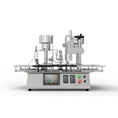
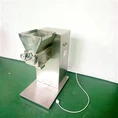
As a seasoned supplier in the granulators price arena, I've encountered numerous inquiries regarding the cost - effectiveness of second - hand granulators. This blog aims to delve into the question: Are second - hand granulators much cheaper?
Initial Cost Comparison
When it comes to the upfront financial outlay, second - hand granulators often seem like a steal. New Granulators straight from the manufacturing line come with a premium price tag. This is due to several factors. First, the cost of research and development is embedded in the price. Manufacturers invest significant resources in designing granulators that are efficient, durable, and compliant with industry standards. Second, new machines are equipped with the latest technologies, which also drive up the cost.
On the other hand, second - hand granulators are typically sold at a fraction of the price of new ones. Sellers are often looking to offload equipment that they no longer need, perhaps due to an upgrade or a change in business operations. For example, a small - scale production facility on a tight budget might find a second - hand granulator to be an attractive option as it allows them to acquire the necessary equipment without breaking the bank.
Hidden Costs of Second - Hand Granulators
However, the apparent savings from purchasing a second - hand granulator may not be as substantial as they initially seem. There are several hidden costs associated with these used machines.
One of the most significant concerns is maintenance. Second - hand granulators have already seen some wear and tear. Components such as blades, motors, and belts may be close to the end of their lifespan. This means that soon after purchase, you may need to replace these parts. The cost of replacement parts, along with the labor required to install them, can quickly add up. For instance, if the granulator's cutting blades are dull and need replacement, not only do you have to buy new blades but also pay for a technician to install them properly.
Another aspect is the lack of warranty. New Granulator Machine usually come with a manufacturer's warranty that can cover a range of issues for a specified period. This provides peace of mind to the buyer, as any unexpected breakdowns or malfunctions during the warranty period will be taken care of at little or no cost. In contrast, second - hand granulators rarely come with a comprehensive warranty. You're essentially taking on the risk of any future problems yourself.
In addition, older models of granulators may not be as energy - efficient as newer ones. Energy costs are a significant part of the long - term operating expenses of a production facility. An older granulator might consume more electricity or other forms of energy to perform the same tasks as a modern, energy - efficient model. Over time, these higher energy costs can erode the initial savings made on the purchase price.
Quality and Performance
The quality and performance of second - hand granulators can also be a cause for concern. New granulators are designed to meet the latest industry standards and can offer precise and consistent results. They are often equipped with advanced control systems that allow for better regulation of factors such as particle size, throughput, and temperature.
Second - hand granulators, especially those that are older models, may not be able to achieve the same level of precision. The mechanical components may have degraded over time, leading to uneven granulation or inconsistent particle sizes. This can be a major problem in industries where product quality is of utmost importance, such as the pharmaceutical or food industries. For example, in pharmaceutical manufacturing, the wrong particle size can affect the efficacy of a drug.
Compatibility and Upgradability
Compatibility with existing production lines is another factor to consider. New granulators are designed with modern production systems in mind and can be easily integrated into a facility's existing setup. They often come with standardized interfaces and communication protocols that allow for seamless operation with other equipment.
Second - hand granulators, particularly those from different manufacturers or older models, may not be as compatible. This could require additional modifications to the production line or the granulator itself, which adds to the overall cost. Moreover, older granulators may not be easily upgradable. As technology advances, there may be new features and improvements available that can enhance the efficiency and performance of a granulator. However, if the machine is too old, it may not be possible to retrofit these upgrades.
Market Trends and Pricing
The pricing of second - hand granulators is also influenced by market trends. In a buyer's market, where there is an oversupply of used equipment, prices can be very low. Sellers may be eager to sell their machines quickly, and this can work in the buyer's favor. However, in a seller's market, where demand for second - hand granulators is high, prices may not be as cheap as expected.
The condition of the granulator also plays a crucial role in determining its price. A well - maintained second - hand granulator with low usage hours will command a higher price than one that is in poor condition. Therefore, it's essential to thoroughly inspect the machine before making a purchase. Look for signs of excessive wear, corrosion, and any previous repair work.
Making the Right Decision
So, are second - hand granulators much cheaper? The answer is not a simple yes or no. While they do have a lower upfront cost, the hidden costs, potential quality and performance issues, and compatibility concerns need to be carefully weighed.
If you're a small - scale operation with a limited budget and a short - term need for a granulator, a second - hand machine might be a viable option. However, for larger production facilities or those where product quality and consistency are critical, investing in a new granulator may be the better choice in the long run.
At our company, we understand the importance of making an informed decision. We offer a wide range of Granulators at competitive prices. Our team of experts can help you evaluate your needs and determine whether a new or second - hand granulator is the right fit for your business. Whether you're looking for a Granulator Machine for pharmaceutical production or a Pulverizer for other applications, we have the knowledge and experience to assist you.


If you're interested in learning more about our granulators or have any questions regarding the purchase of new or second - hand equipment, we encourage you to reach out to us. Our dedicated sales team is ready to engage in a detailed discussion about your requirements and provide you with customized solutions. Don't hesitate to start the conversation with us to find the best granulation solution for your business.
References
- "Industrial Granulation Technology" by Pieter York. This book provides in - depth knowledge about granulation processes and equipment, including factors affecting the cost and performance of granulators.
- Industry reports from market research firms such as Grand View Research, which offer insights into the trends and pricing of granulators in the global market.