


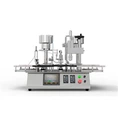
Handling capsule breakage in a capsule machine is a critical aspect of ensuring efficient and high - quality capsule production. As a supplier of capsule machines, I understand the challenges that manufacturers face when dealing with this issue. In this blog, I will share some insights on how to identify the causes of capsule breakage and effective strategies to address them.
Understanding the Causes of Capsule Breakage
1. Machine Misalignment
One of the primary causes of capsule breakage is machine misalignment. When the various components of the capsule machine, such as the filling nozzles, tamping pins, and closing stations, are not properly aligned, it can lead to uneven pressure on the capsules. For example, if the tamping pins are not centered correctly, they may apply excessive force on one side of the capsule, causing it to break. To check for misalignment, regular maintenance and calibration are essential. Operators should follow the manufacturer's guidelines for aligning the machine components at specific intervals. This may involve using precision tools to ensure that all parts are in the correct position.
2. Capsule Quality
The quality of the capsules themselves can also contribute to breakage. Low - quality capsules may have inconsistent wall thickness, which makes them more prone to cracking under pressure. Additionally, capsules that are exposed to high humidity or improper storage conditions can become brittle or sticky. When selecting capsules for use in the machine, it is crucial to source them from reputable suppliers. Capsules should be stored in a cool, dry place with controlled humidity levels. Before loading the capsules into the machine, a visual inspection should be carried out to identify any damaged or defective capsules.
3. Overfilling
Overfilling the capsules is another common cause of breakage. When too much powder or granular material is inserted into the capsule, it can exceed the capsule's capacity, causing it to burst. To prevent overfilling, it is important to accurately measure the filling material and adjust the filling parameters of the machine accordingly. Most modern Capsule Filling Machine come with adjustable filling mechanisms that allow operators to control the amount of material dispensed into each capsule. Regular monitoring of the filling process and making small adjustments as needed can help maintain the correct filling level.
4. High Operating Speed
Running the capsule machine at an excessively high speed can also lead to capsule breakage. At high speeds, the capsules may not have enough time to properly close or may experience increased impact forces during the filling and closing processes. It is important to find the optimal operating speed for the machine based on the type of capsules and filling materials being used. This may require some trial and error, but generally, starting at a lower speed and gradually increasing it while monitoring the capsule quality is a good approach.
Strategies to Reduce Capsule Breakage
1. Regular Maintenance
Regular maintenance of the capsule machine is crucial for preventing breakage. This includes cleaning the machine after each production run to remove any residual powder or debris that could interfere with the operation of the components. Lubrication of moving parts should also be carried out as recommended by the manufacturer to ensure smooth operation. In addition, regular inspection of the machine's wear parts, such as belts, gears, and seals, is necessary. Worn - out parts should be replaced promptly to avoid misalignment and other issues that can lead to capsule breakage.
2. Training of Operators
Proper training of machine operators is essential for minimizing capsule breakage. Operators should be familiar with the machine's operation manual and understand the correct procedures for loading capsules, adjusting filling parameters, and performing maintenance tasks. Training programs should cover topics such as machine safety, quality control, and troubleshooting. By ensuring that operators are well - trained, the risk of human error leading to capsule breakage can be significantly reduced.
3. Quality Control Checks
Implementing a comprehensive quality control system is vital for detecting and addressing capsule breakage issues. This can include in - line inspection systems that use sensors or cameras to detect broken or defective capsules during the production process. Any capsules that do not meet the quality standards should be removed immediately. Additionally, random sampling and manual inspection of the finished capsules can be carried out at regular intervals to ensure the overall quality of the production.
4. Use of Appropriate Accessories
Using appropriate accessories can also help reduce capsule breakage. For example, Capsule Filler Machine may be equipped with anti - static devices to prevent static electricity from attracting powder to the capsules, which can cause uneven filling and breakage. Similarly, Capsule Counter can be used to accurately count the capsules and ensure that the production process is running smoothly. These accessories can enhance the performance of the capsule machine and improve the quality of the final product.


Conclusion
Handling capsule breakage in a capsule machine requires a comprehensive approach that addresses the various causes of the problem. By understanding the factors that contribute to capsule breakage, such as machine misalignment, capsule quality, overfilling, and high operating speed, manufacturers can take proactive steps to prevent it. Regular maintenance, proper operator training, quality control checks, and the use of appropriate accessories are all essential strategies for reducing capsule breakage and ensuring high - quality capsule production.
If you are facing challenges with capsule breakage in your production process or are looking to upgrade your capsule machine, I encourage you to contact us for more information. Our team of experts can provide you with personalized solutions based on your specific needs and requirements. Let's work together to improve the efficiency and quality of your capsule production.
References
- "Capsule Manufacturing Handbook" - A comprehensive guide on capsule production processes and troubleshooting.
- Manufacturer's manuals for capsule machines, which provide detailed information on operation, maintenance, and alignment.