


Hey there! As a supplier of monoblock fillers, I often get asked about the vibration level of these machines during operation. It's a crucial aspect, as excessive vibration can lead to various issues, from reduced filling accuracy to potential damage to the machine itself. So, let's dive into what the vibration level of a monoblock filler during operation really means and why it matters.
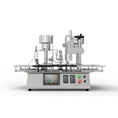
First off, what exactly is a monoblock filler? Well, a Monoblock Filler is a multi - functional machine that combines several processes, such as filling, capping, and sometimes labeling, all in one compact unit. This integration makes it highly efficient for various industries, including pharmaceuticals, cosmetics, and food and beverage. For example, an Eye Drop Filling Machine, which is a type of monoblock filler, needs to operate with high precision to ensure the correct dosage of eye drops in each container.
Now, let's talk about vibration. Vibration in a monoblock filler is mainly caused by the moving parts within the machine. The motor, conveyor belts, filling nozzles, and capping heads all generate some level of vibration as they perform their functions. A certain amount of vibration is normal and expected. However, when the vibration level exceeds the acceptable range, it can spell trouble.


One of the key factors that affect the vibration level is the quality of the machine's components. High - quality motors and bearings are designed to run smoothly and generate less vibration. At our company, we source the best components for our Monoblock Machine to ensure optimal performance. For instance, we use precision - engineered motors that are balanced to minimize vibration. This not only reduces noise but also extends the lifespan of the machine.
The operating speed of the monoblock filler also plays a significant role in vibration. Generally, the faster the machine runs, the higher the vibration level. When the machine is set to a high - speed mode to increase production output, the moving parts have to work harder and faster, which can lead to increased vibration. It's a bit like driving a car at high speed; the faster you go, the more the car shakes. However, modern monoblock fillers are equipped with advanced control systems that can help manage the vibration at different speeds. These systems can adjust the operation of the machine to keep the vibration within an acceptable range.
Another factor is the installation and alignment of the machine. If the monoblock filler is not installed properly on a flat and stable surface, it can cause uneven stress on the components, resulting in increased vibration. During the installation process, we make sure to level the machine carefully and secure it firmly. Additionally, proper alignment of the conveyor belts, filling nozzles, and capping heads is essential. Misaligned parts can cause the machine to vibrate as they try to work together.
So, why is it so important to keep the vibration level in check? Well, excessive vibration can have a negative impact on the filling accuracy. In industries like pharmaceuticals and food, where precise filling is critical, even a small deviation in the filling volume can be a big problem. For example, if an eye drop filling machine vibrates too much, it may dispense an incorrect amount of eye drops, which can affect the effectiveness of the product.
Vibration can also lead to premature wear and tear of the machine's components. The constant shaking puts stress on the bearings, belts, and other moving parts, causing them to wear out faster. This means more frequent maintenance and replacement of parts, which can increase the overall cost of operating the machine. Moreover, excessive vibration can generate noise, which can be a nuisance in the workplace and may even pose a risk to the hearing of the operators.
To measure the vibration level of a monoblock filler, we use specialized vibration sensors. These sensors are placed at different points on the machine to detect the amplitude and frequency of the vibration. The data collected by these sensors can be analyzed to determine if the vibration level is within the acceptable range. If the vibration exceeds the limit, we can then take steps to identify the cause and make the necessary adjustments.
In some cases, we may need to fine - tune the machine's settings, such as adjusting the speed or the alignment of the parts. In more severe cases, we may need to replace a faulty component. Our technical support team is always on standby to assist with any vibration - related issues. We offer comprehensive after - sales service to ensure that our customers' monoblock fillers are running smoothly.
In conclusion, understanding and managing the vibration level of a monoblock filler during operation is crucial for its performance and longevity. By using high - quality components, proper installation, and advanced control systems, we can keep the vibration within an acceptable range. This not only ensures accurate filling but also reduces maintenance costs and noise levels.
If you're in the market for a monoblock filler and want to learn more about how we manage vibration levels in our machines, or if you have any other questions about our products, don't hesitate to reach out. We're here to help you find the best solution for your filling needs. Whether you're in the pharmaceutical, cosmetic, or food and beverage industry, our monoblock fillers can provide you with reliable and efficient performance.
References
- Machinery Vibration Analysis Handbook. This handbook provides in - depth knowledge about vibration in industrial machinery, including monoblock fillers.
- Journal of Packaging Machinery. Articles in this journal often discuss the performance and challenges of monoblock filling machines, including vibration - related issues.