


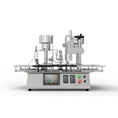
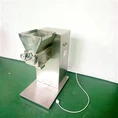
As a supplier of capsule fillers, I understand the critical importance of sterilization in the pharmaceutical and supplement industries. A properly sterilized capsule filler ensures the safety and quality of the capsules produced, protecting consumers from potential contamination. In this blog post, I will discuss the various sterilization methods available for capsule fillers and their advantages and disadvantages.
Why Sterilization is Important for Capsule Fillers
Capsule fillers are used to fill capsules with various substances, such as powders, granules, and liquids. These substances can be easily contaminated by bacteria, fungi, viruses, and other microorganisms, which can pose a serious health risk to consumers. Sterilization is the process of eliminating or reducing these microorganisms to an acceptable level, ensuring the safety and efficacy of the capsules.
In addition to protecting consumers, sterilization also helps to maintain the integrity of the capsule filler itself. Microorganisms can cause corrosion, damage, and malfunction of the equipment, leading to costly repairs and downtime. By regularly sterilizing the capsule filler, you can extend its lifespan and ensure its optimal performance.
Types of Sterilization Methods for Capsule Fillers
There are several sterilization methods available for capsule fillers, each with its own advantages and disadvantages. The choice of sterilization method depends on several factors, such as the type of capsule filler, the type of substance being filled, the level of contamination, and the regulatory requirements.


Heat Sterilization
Heat sterilization is one of the most common and effective methods of sterilization for capsule fillers. It involves exposing the equipment to high temperatures for a specific period of time to kill microorganisms. There are two main types of heat sterilization: dry heat sterilization and moist heat sterilization.
- Dry Heat Sterilization: Dry heat sterilization involves heating the capsule filler in an oven or other heat source at a temperature of 160°C to 180°C for 2 to 4 hours. This method is effective for sterilizing glass, metal, and other heat-resistant materials. However, it can be time-consuming and may not be suitable for all types of capsule fillers.
- Moist Heat Sterilization: Moist heat sterilization involves heating the capsule filler in an autoclave or other steam sterilizer at a temperature of 121°C to 134°C for 15 to 30 minutes. This method is more effective than dry heat sterilization because steam can penetrate the equipment more easily and kill microorganisms more quickly. However, it can also cause damage to some types of materials, such as plastics and rubber.
Chemical Sterilization
Chemical sterilization involves using chemicals to kill microorganisms on the surface of the capsule filler. There are several types of chemicals that can be used for sterilization, such as ethylene oxide, hydrogen peroxide, and peracetic acid.
- Ethylene Oxide Sterilization: Ethylene oxide is a highly effective sterilizing agent that can penetrate the equipment and kill microorganisms quickly. However, it is also a toxic and flammable gas that requires special handling and ventilation. Ethylene oxide sterilization is typically used for large-scale sterilization of medical devices and equipment.
- Hydrogen Peroxide Sterilization: Hydrogen peroxide is a non-toxic and environmentally friendly sterilizing agent that can be used to sterilize the surface of the capsule filler. It is typically used in combination with other sterilization methods, such as heat or radiation.
- Peracetic Acid Sterilization: Peracetic acid is a powerful oxidizing agent that can kill microorganisms quickly and effectively. It is typically used in combination with other sterilization methods, such as heat or radiation.
Radiation Sterilization
Radiation sterilization involves using high-energy radiation, such as gamma rays or electron beams, to kill microorganisms on the surface of the capsule filler. This method is effective for sterilizing a wide range of materials, including plastics, rubber, and metals. However, it can be expensive and requires special equipment and facilities.
- Gamma Ray Sterilization: Gamma ray sterilization involves exposing the capsule filler to gamma rays from a radioactive source, such as cobalt-60. This method is highly effective for sterilizing large quantities of equipment and materials. However, it can also cause damage to some types of materials, such as plastics and rubber.
- Electron Beam Sterilization: Electron beam sterilization involves exposing the capsule filler to a high-energy electron beam. This method is more precise and less damaging to materials than gamma ray sterilization. However, it is also more expensive and requires special equipment and facilities.
Advantages and Disadvantages of Each Sterilization Method
Each sterilization method has its own advantages and disadvantages, which should be considered when choosing the most appropriate method for your capsule filler.
Heat Sterilization
- Advantages:
- Effective for killing a wide range of microorganisms.
- Can be used for sterilizing a variety of materials, including glass, metal, and heat-resistant plastics.
- Relatively simple and inexpensive to perform.
- Disadvantages:
- Can be time-consuming, especially for dry heat sterilization.
- Can cause damage to some types of materials, such as plastics and rubber.
- Requires special equipment, such as an oven or autoclave.
Chemical Sterilization
- Advantages:
- Effective for killing a wide range of microorganisms.
- Can be used for sterilizing a variety of materials, including plastics, rubber, and metals.
- Can be used for sterilizing equipment and materials that are sensitive to heat or radiation.
- Disadvantages:
- Can be toxic and require special handling and ventilation.
- Can leave residues on the equipment and materials, which may require additional cleaning and rinsing.
- Can be expensive, especially for large-scale sterilization.
Radiation Sterilization
- Advantages:
- Effective for killing a wide range of microorganisms.
- Can be used for sterilizing a variety of materials, including plastics, rubber, and metals.
- Can be used for sterilizing equipment and materials that are sensitive to heat or chemicals.
- Can be performed quickly and efficiently.
- Disadvantages:
- Can be expensive, especially for large-scale sterilization.
- Requires special equipment and facilities, such as a radioactive source or electron beam generator.
- Can cause damage to some types of materials, such as plastics and rubber.
- Can pose a health risk to operators if not handled properly.
Choosing the Right Sterilization Method for Your Capsule Filler
When choosing the right sterilization method for your capsule filler, you should consider the following factors:
- Type of Capsule Filler: Different types of capsule fillers may require different sterilization methods. For example, some capsule fillers may be made of materials that are sensitive to heat or chemicals, while others may be more resistant.
- Type of Substance Being Filled: The type of substance being filled into the capsules can also affect the choice of sterilization method. For example, some substances may be sensitive to heat or radiation, while others may be more resistant.
- Level of Contamination: The level of contamination of the capsule filler and the substances being filled into the capsules will also affect the choice of sterilization method. For example, if the capsule filler is heavily contaminated, a more rigorous sterilization method may be required.
- Regulatory Requirements: The regulatory requirements for the pharmaceutical and supplement industries may also dictate the choice of sterilization method. For example, some regulatory agencies may require certain sterilization methods to be used for specific types of products.
Conclusion
Sterilization is a critical process in the production of capsules, ensuring the safety and quality of the products. There are several sterilization methods available for capsule fillers, each with its own advantages and disadvantages. The choice of sterilization method depends on several factors, such as the type of capsule filler, the type of substance being filled, the level of contamination, and the regulatory requirements.
As a supplier of Capsule Filling Machine, Capsule Filler Machine, and Capsule Counting Machine, we understand the importance of providing our customers with the right sterilization solutions for their needs. If you have any questions or need further information about sterilization methods for capsule fillers, please contact us for a consultation. We are committed to helping you ensure the safety and quality of your capsule production process.
References
- PDA Technical Report No. 1: Sterilization of Healthcare Products by Radiation
- ISO 11135:2014 Healthcare products - Sterilization - Ethylene oxide
- ISO 11137-1:2015 Sterilization of healthcare products - Radiation - Part 1: Requirements for development, validation and routine control of a sterilization process for medical devices